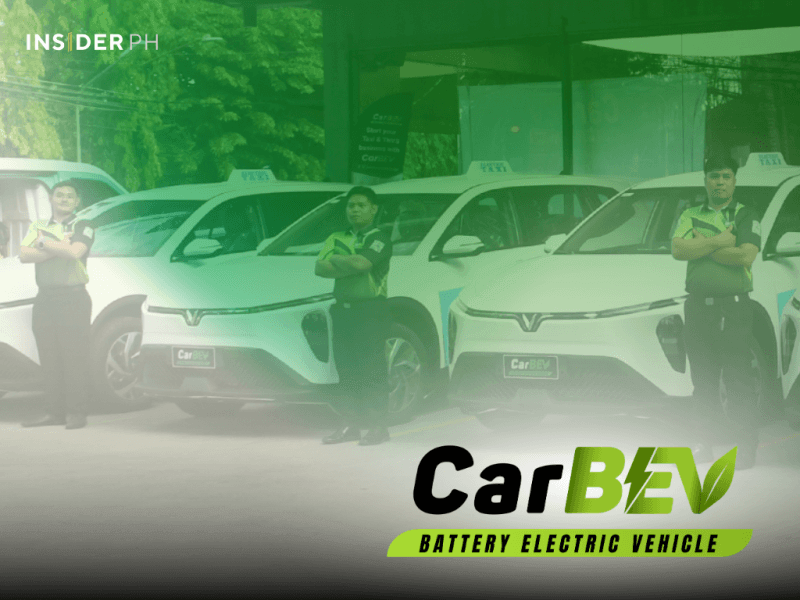
One of the measures is a financial assistance program aimed at helping small transport operators, including tricycle, jeepney, and bus drivers, transition to electric vehicles.
The second is the Electric Vehicle Incentive Strategy (EVIS), a proposed program designed to encourage automotive firms such as Mitsubishi and Toyota to establish EV manufacturing and assembly plants in the Philippines.

CARS replacement
The EVIS, which is awaiting approval from the Office of the President, will replace the Comprehensive Automotive Resurgence Strategy (CARS) program launched in 2015 to revive local automotive manufacturing and position the Philippines as a regional production hub.
Trade Secretary Cristina Roque said transport operators in Negros Occidental consulted by the Department of Trade and Industry (DTI) have expressed openness to shifting to EVs, particularly because of financing support being offered through DTI’s Small Business Corporation (SB Corp.).
The loan program features favorable terms, including a one-year grace period on principal and interest payments, followed by a low annual interest rate of 6.7 percent.
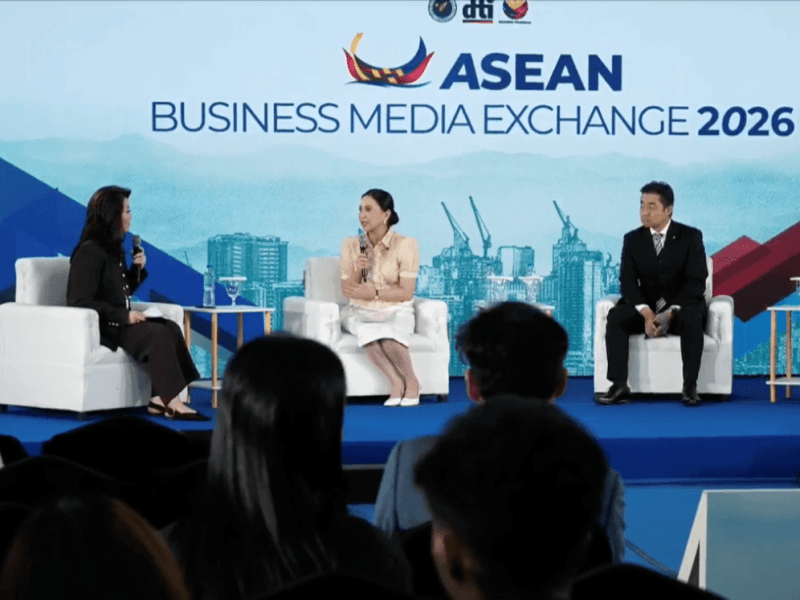
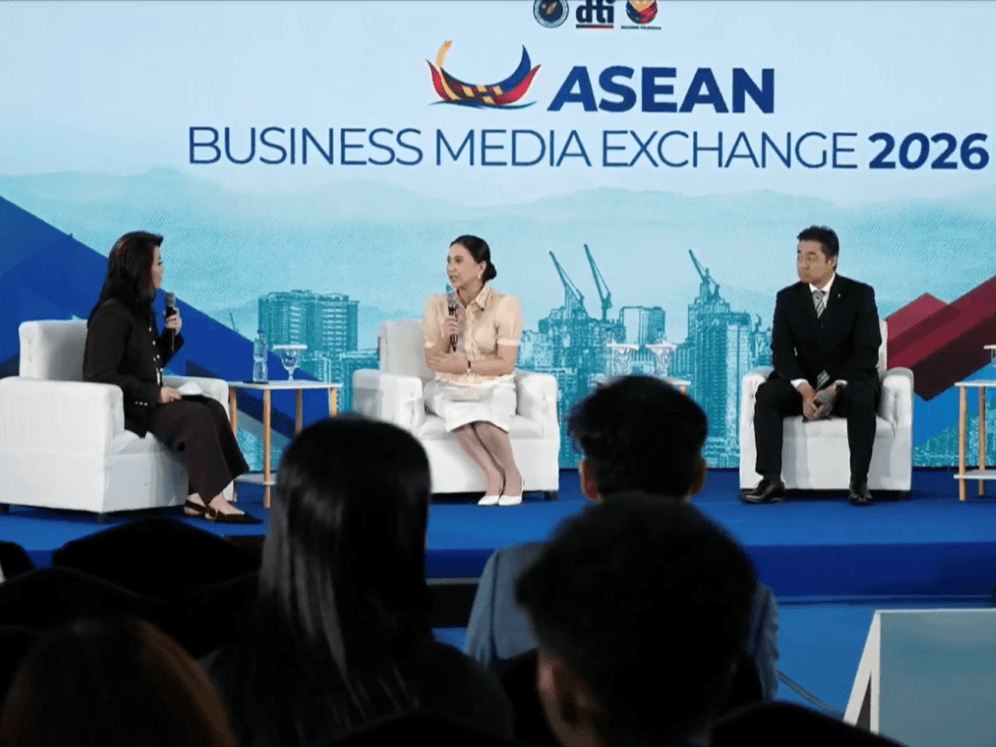
Roque spoke during a panel discussion at the ASEAN Business Media Exchange on May 6, where government and industry leaders explored ways to unlock the Philippines’ potential in the electric vehicle (EV) value chain.
Joining her on the panel were Mitsubishi Motors Philippines Corp. president and CEO Ritsu Imaeda and Toyota Motor Philippines first vice president for vehicle sales operations Elijah Sue Marcial.
Incentives and investments
Roque said the EVIS program would immediately provide incentives for manufacturers to establish EV assembly and manufacturing facilities in the country once approved.
“I just want manufacturers in the EV industry to know that the Philippine government and the Marcos administration are pro-foreign investments,” she said. “We have many incentives that can encourage them to establish manufacturing or assembly plants in the Philippines.”
She added that EV manufacturing facilities would generate jobs and stimulate surrounding industries, including food and retail businesses in host communities.
“We do not just see the benefits of the manufacturing plant itself, but the entire ecosystem around it,” Roque said. “The shift is also important because we want to control pollution and bring down production costs amid high fuel prices.”
Hybrid vehicles first
Imaeda said Mitsubishi had already committed to building an additional assembly line in Laguna dedicated to Hybrid Electric Vehicles (HEVs), citing the Philippines as a highly important market globally.
He said the Philippine government’s supportive policies, particularly the proposed EVIS program, helped encourage the company’s investment in local hybrid manufacturing.
However, Imaeda said Mitsubishi would not immediately transition fully into Battery Electric Vehicles (BEVs), opting instead for a phased approach beginning with hybrids and plug-in hybrids.
This, he said, would allow customers to gradually adapt to EV technology while giving the country enough time to develop charging infrastructure and financial support systems.
Imaeda cited Mitsubishi’s experience in Japan, where the company began mass-producing EVs in 2008 and discovered that “range anxiety,” or fear of running out of battery power, remained a major concern among consumers.
To address this, Mitsubishi focused on plug-in hybrid models such as the Outlander, which can run around 100 kilometers on a single charge for daily driving while relying on a backup engine for longer provincial trips.
While hybrids remain the company’s current focus, Imaeda said Mitsubishi aims to help transition the mass market toward fully electric vehicles over the next decade as the local EV ecosystem matures.
Multi-pathway approach
For Toyota, Marcial said the company continues to adopt a “multi-pathway” strategy, recognizing that consumers have different needs in terms of affordability, usage, and vehicle technology.
She said Toyota remains heavily focused on hybrid vehicles because BEVs still account for only a small portion of the market.
Hybrids, she explained, are self-sustaining, require no external charging, and provide immediate relief from high fuel prices while the country continues developing public charging infrastructure.
To help ease range anxiety among BEV users, Toyota installs home chargers free of charge for customers and is building charging stations in key dealerships across Metro Manila and high-traffic provinces.
Toyota has also set a target for 30 percent of its lineup to be electrified by 2030, aligning with the government’s broader goal of achieving 50 percent electrification by 2040.
Marcial added that Toyota is also preparing for the long-term environmental impact of EV adoption by supporting the development of battery recycling facilities.
“We’re working with companies and sending them to train in Japan to ensure we have proper battery recycling, disposal, and dismantling facilities here in the Philippines,” she said. “We expect the first facility to be established in Pampanga, and hopefully more will follow in the future.”---Ed: Corrie S. Narisma

Contributor