Insider Spotlight
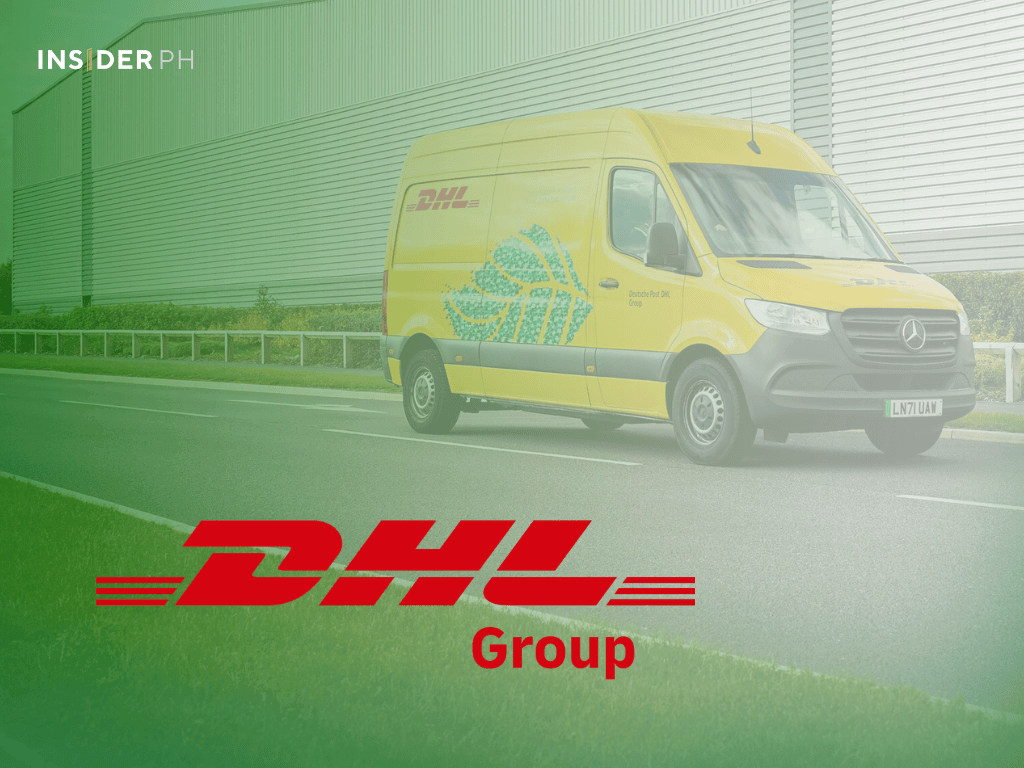
The company has deployed eight additional electric vehicles, with two more units scheduled for rollout within the first quarter. The move increases the share of electric vehicles in its delivery fleet to 41 percent, marking a significant milestone in its annual fleet electrification program.
Why it matters
As delivery volumes rise across major urban centers, logistics providers face mounting pressure to balance operational efficiency with environmental responsibility.
DHL’s steady pivot to electric mobility reflects a data-driven approach to cutting greenhouse gas emissions in dense, high-traffic areas.
The new electric vehicles are deployed across Pasig, Makati, Bonifacio Global City, Muntinlupa, Manila, Pasay, Parañaque, and Cebu—key commercial and residential hubs where last-mile activity is most concentrated.

What they’re saying
“Logistics that works for people and the planet is the standard we hold ourselves to,” Nigel Lockett, managing director of DHL Express Philippines, said in a press statement.
“By expanding our electric vehicle fleet in the country’s most active delivery zones, we are supporting the reduction of emissions from last-mile operations in areas where our couriers, customers, and communities interact every day.”
By the numbers
Each new unit is designed for urban operations, offering 5.1 cubic meters of cargo capacity and powered by a Lithium Iron Phosphate battery rated at 307.2 volts. Vehicles can be fully charged in about five hours using a DC fast charger, supporting consistent daily route deployment.
Operational edge
Beyond eliminating tailpipe emissions on assigned routes, the electric vehicles offer lower fuel consumption and reduced maintenance requirements compared to conventional units. Their quieter operation also helps reduce noise pollution in densely populated delivery zones.
The latest batch is equipped with telematics systems that allow real-time monitoring of battery performance, energy use, route efficiency, and driving behavior.
These insights enable optimized route planning and proactive maintenance, strengthening service reliability while maximizing electric fleet utilization.
The bottom line
DHL Express Philippines views electrification as a long-term operational shift rather than a one-off initiative. The latest rollout reinforces its contribution to DHL Group’s ambition to achieve net-zero greenhouse gas emissions by 2050, positioning electric mobility at the core of its future-ready logistics strategy. —Vanessa Hidalgo | Ed: Corrie S. Narisma