Wednesday, 28 October 2026
6 hours ago
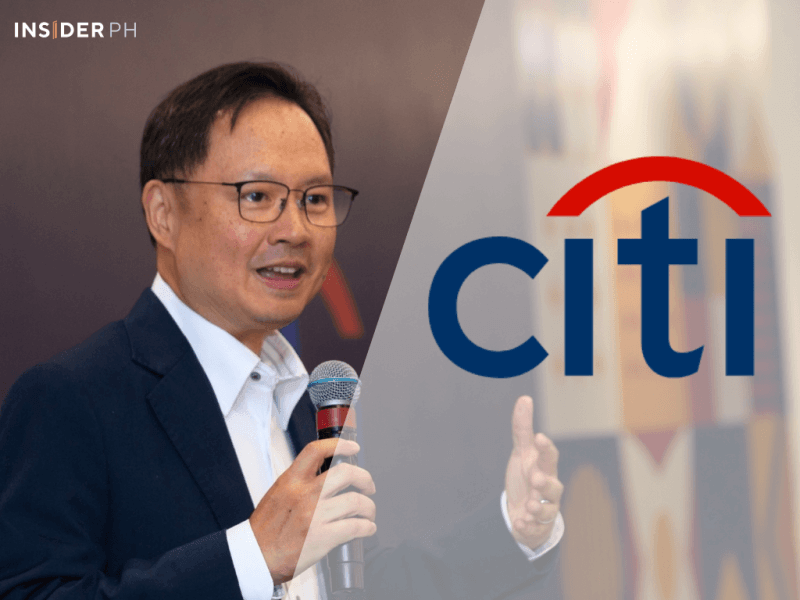
Security Bank cuts jobs as new CEO Victor Lee shakes up operations
Security Bank Corp. is cutting jobs in one of the biggest moves yet by Singaporean banking veteran Victor Lee, less than a year after he took over as president and CEO.

9 hours ago
Tough times, but PH mall giants bet P184B on shoppers, pickleball
Filipinos may be tightening their belts, but the country’s biggest mall developers are betting P184 billion that shoppers will keep coming, even if it means trading movie screens for pickleball courts.

14 hours ago
TikTok Shop, DTI promote safer online shopping practices
TikTok Shop is strengthening consumer protection measures in the Philippines through stricter seller verification, product compliance checks and buyer support mechanisms as online shopping platforms face growing scrutiny over counterfeit and unsafe products.

15 hours ago
DTI, Mastercard team up to expand MSMEs’ digital market access
Filipino small businesses stand to gain wider market access as the Department of Trade and Industry (DTI) and Mastercard seek to address gaps in digital payment adoption, online security and merchant capabilities.

16 hours ago
SMC prepares Luzon expressways for Undas holiday traffic surge
SMC Infrastructure is preparing for a 10-percent increase in vehicle traffic across its expressway network during the Undas holiday period, deploying additional personnel and emergency response teams to manage congestion and assist motorists.

17 hours ago
WINNING | Megaworld strengthens governance amid expansion
McDonald's Philippines is strengthening its support for public education through classroom improvements, teacher recognition programs and community partnerships aimed at improving learning environments nationwide.

18 hours ago
Robinsons Malls advances energy-saving initiatives
Robinsons Malls reduced its reliance on grid electricity by about 5.8 million kilowatt-hours (kWh) from April to June 2026 through energy efficiency and conservation measures across its nationwide network of commercial properties.

18 hours ago
McDonald’s strengthens support for Filipino teachers
McDonald's Philippines is strengthening its support for public education through classroom improvements, teacher recognition programs and community partnerships aimed at improving learning environments nationwide.

18 hours ago
Lao-led D&L extends governance winning streak to seven years
Lao family-led D&L Industries has extended its corporate governance winning streak to seven consecutive years, reinforcing its standing among Philippine listed companies recognized for transparency and accountability.

Advertisement