Nor is it the China many travelers imagine, with futuristic skylines, soaring flyovers and drone deliveries.
But its history holds deeper meaning for millions of Filipinos of Chinese descent, having served as the coastal gateway from which generations of migrants sailed to the Philippines.
Xiamen and neighboring towns across Fujian province are the birthplace of some of the country’s most famous taipans and tycoons.
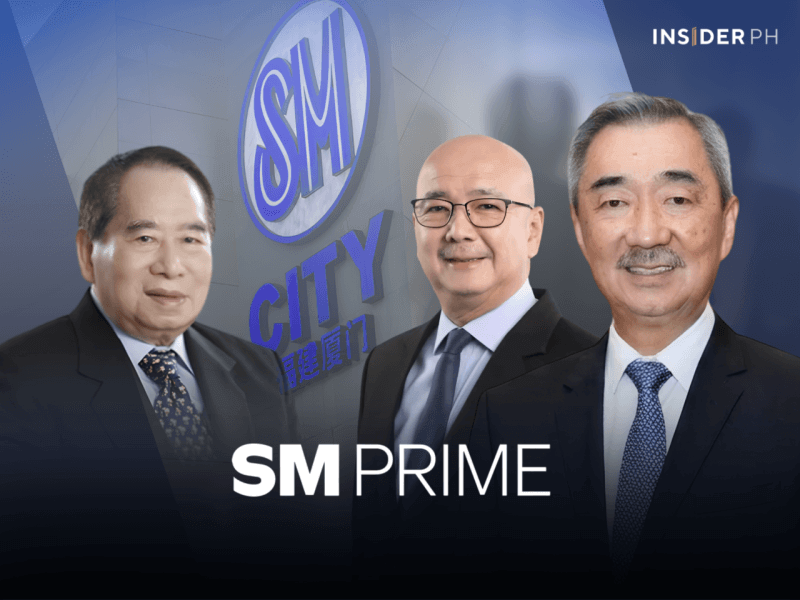
These include Lucio Tan, John Gokongwei Jr. and Henry Sy Sr., the SM Group founder whose rise from poverty to retail pioneer became one of the Philippines’ defining business success stories.
Looking back to move forward
When he died in 2019 at the age of 94, Sy was the Philippines’ richest man, overseeing a banking, real estate and retail empire alongside his wife, Felicidad, and their six children.
Many business dynasties leave their humble roots in the past, treating them as little more than a footnote in their corporate history.
The Sys see it differently because those ties continue to guide their future bets on China.
“Fujian is where my father came from,” SM Prime executive committee chair Hans Sy said in a chat with journalists last June.
“We changed our China strategy. It’s going to focus on Fujian province,” he said.
Betting on Fujian
That conversation was soon followed by an invitation from SM Prime to see its flagship projects in Xiamen.
Returning as a guest of SM Prime after 16 years in July, one observation stood out: while SM dominates the Philippine commercial landscape, it is just one of many giants competing in China.
Even so, Fujian has emerged as the company’s strongest foothold on the mainland.
“It was more opportunistic before,” said SM Prime president Jeffrey Lim, who met with visiting journalists in Xiamen.
He recalled how provincial government officials from across China would fly to Manila to pitch expansion opportunities directly to Henry Sy Sr.
“They would invite SM, show us the properties and we would visit them to see if there’s an opportunity to invest,” Lim said.
China gets smaller
“At the end of the day, China was so big that wherever you go it’s like another country. We realized the SM brand is popular and quite well-known in Fujian because that’s where the founder came from,” Lim said.
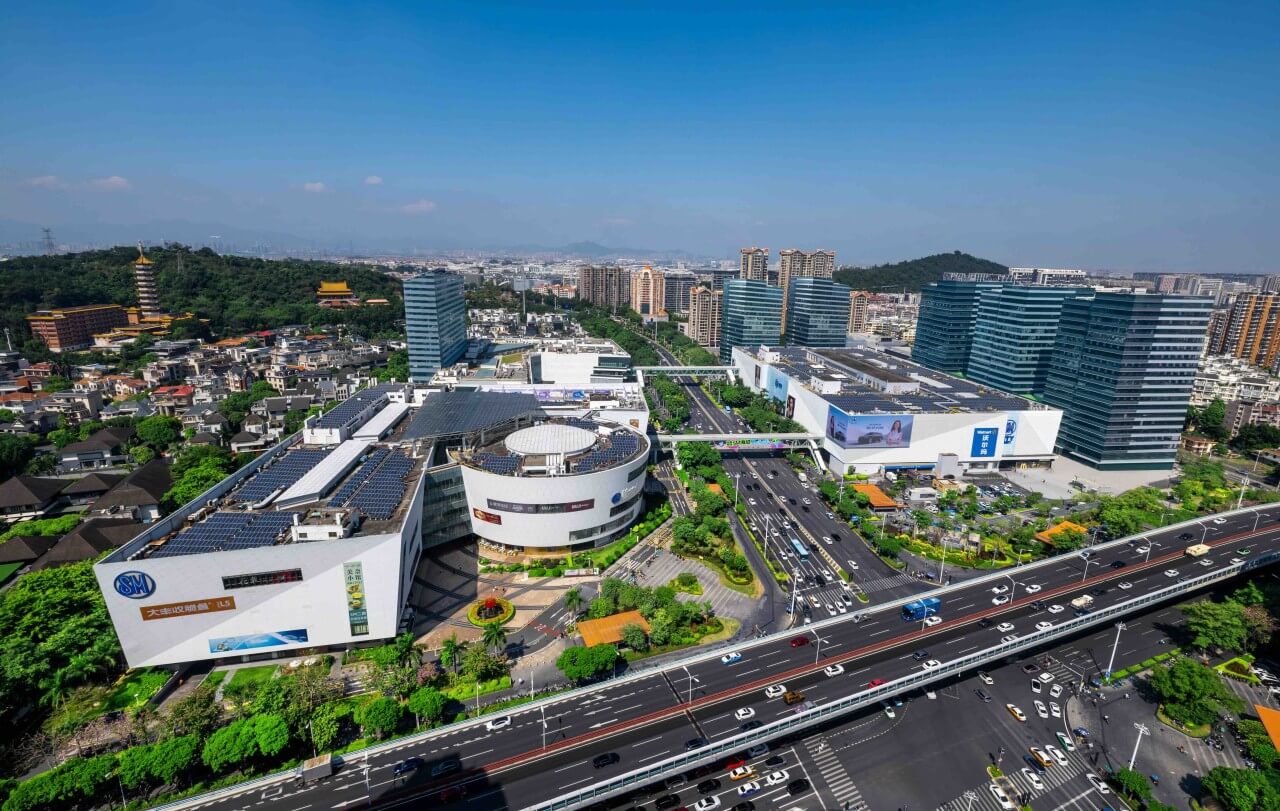
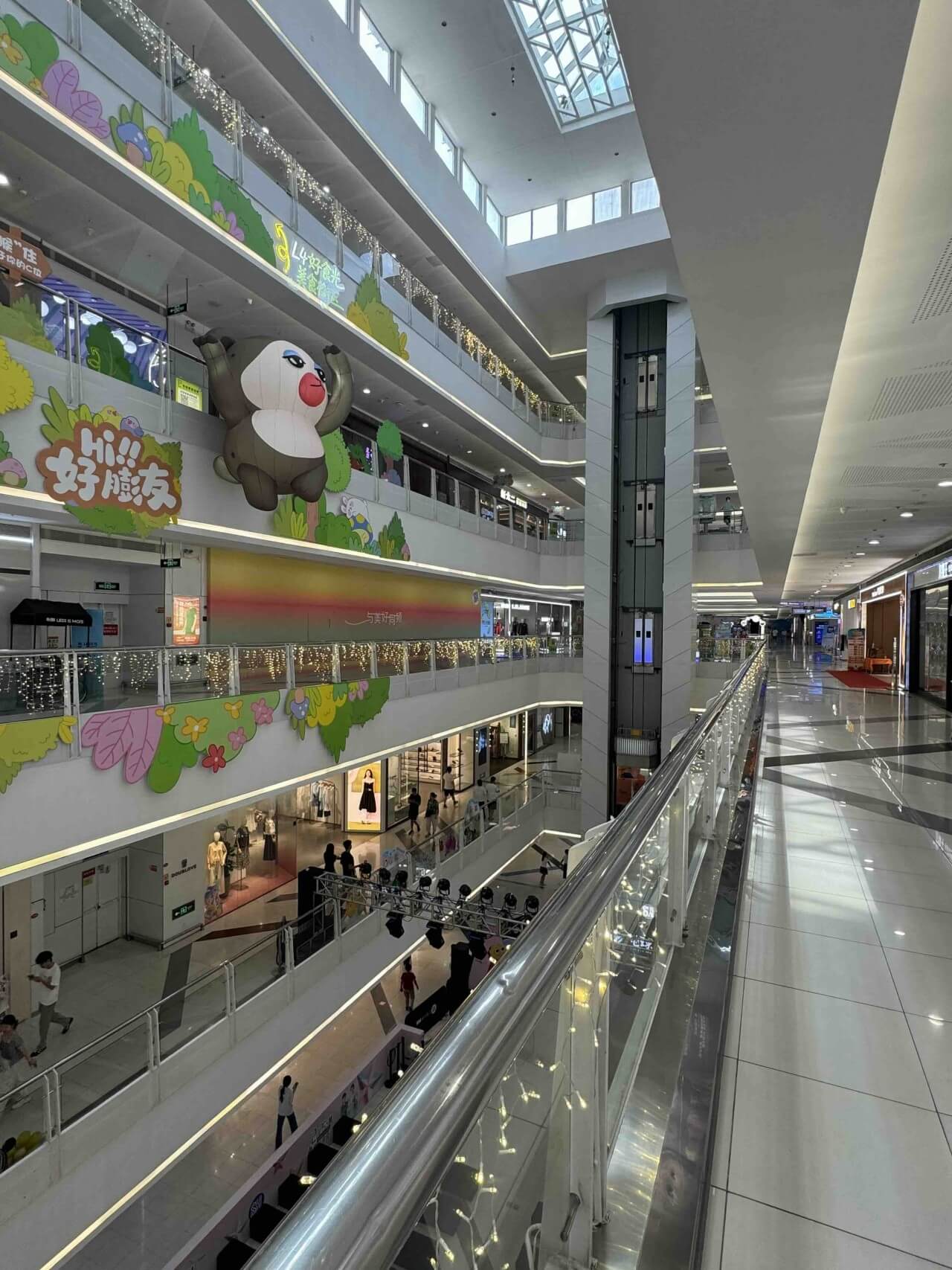
SM Prime made its China debut in Xiamen with the opening of its first mall in 2001.
It began with a single box-style shopping mall, one that many Filipino visitors would instantly recognize for its resemblance to SM Megamall.
“When SM Xiamen opened in 2001, you didn’t tell the taxi driver you wanted to go to SM. You told them you wanted to go to ‘Woomart’,” said SM Prime director Jorge T. Mendiola, referring to its well-known anchor tenant, Walmart.
He said the company’s journey in China is a story of persistence and patience, values instilled by Henry Sy Sr. and carried forward by his children, all of whom continue to play active roles across the SM conglomerate.
Decades of building
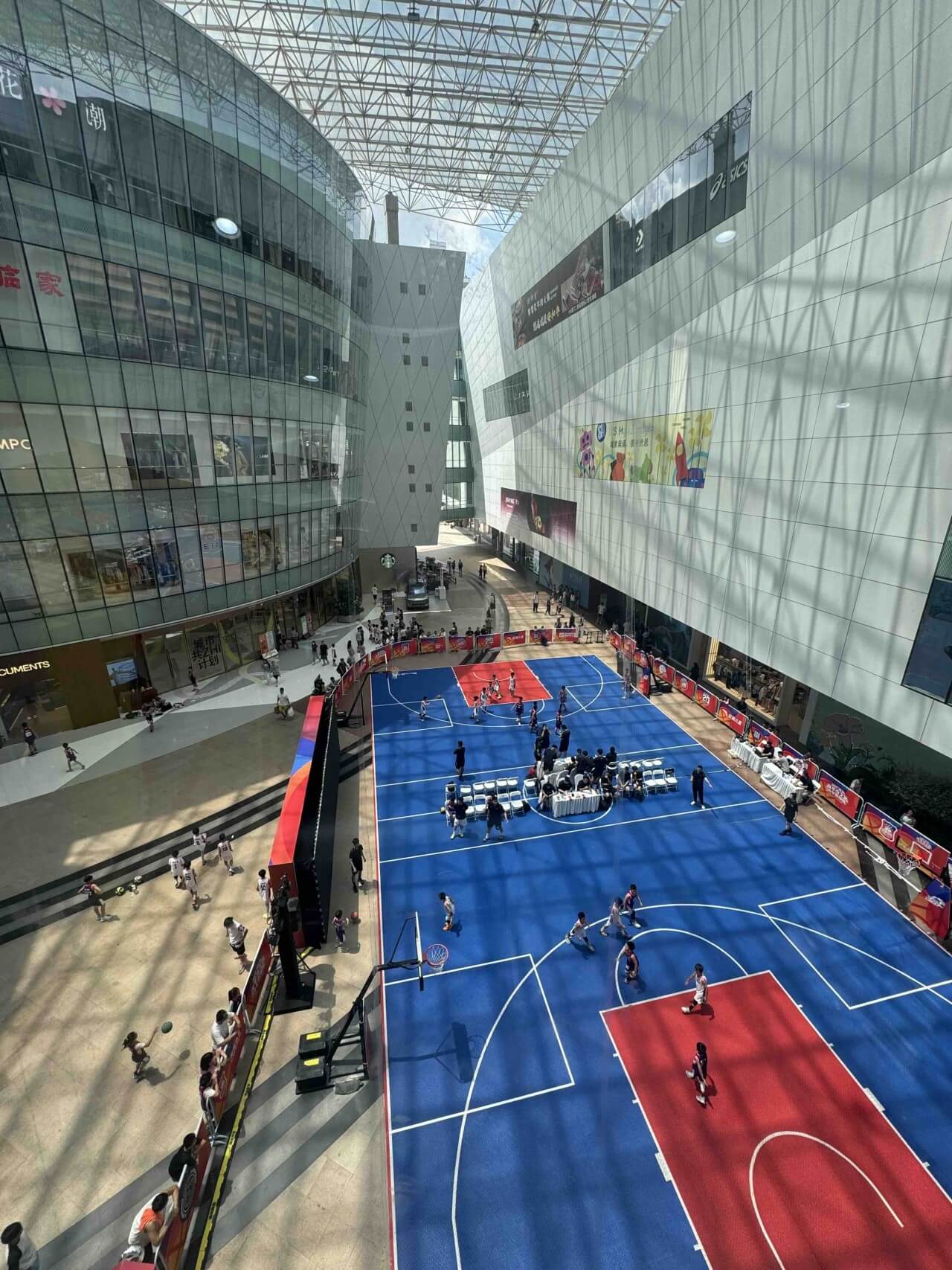
Nearly 25 years later, the site has grown into a more than 10-hectare mixed-use complex with three shopping malls, several office towers and the 325-room voco Xiamen SM City, SM’s first hotel in mainland China, which opened on June 1.
The real estate giant, which operates more than 90 malls in the Philippines, has since built nine malls across mainland China.
The scale of the expansion was especially striking for some of the journalists who first visited Xiamen in 2010.
Back then, SM Supermalls, under the leadership of Annie Garcia, had just four malls in China and was still working toward completing projects in Suzhou and Chongqing.
It was also during that visit that several in the group recalled seeing founder Henry Sy Sr. making the rounds of SM Xiamen with his son, Herbert.
Tatang’s lessons
Mendiola said those inspections were typical of Tatang, especially during his prime. He recalled how the taipan would summon him on Sundays after lunch with his family.
They would meet at one of the malls at around 2:00 p.m. and stroll through the property, sometimes in complete silence.
“That one time, we ended up in Luk Yuen restaurant. There, he told me: ‘Jo, lesson learned’,” Mendiola recounted.
“He just wanted to observe," he said.
Back to Hongxi
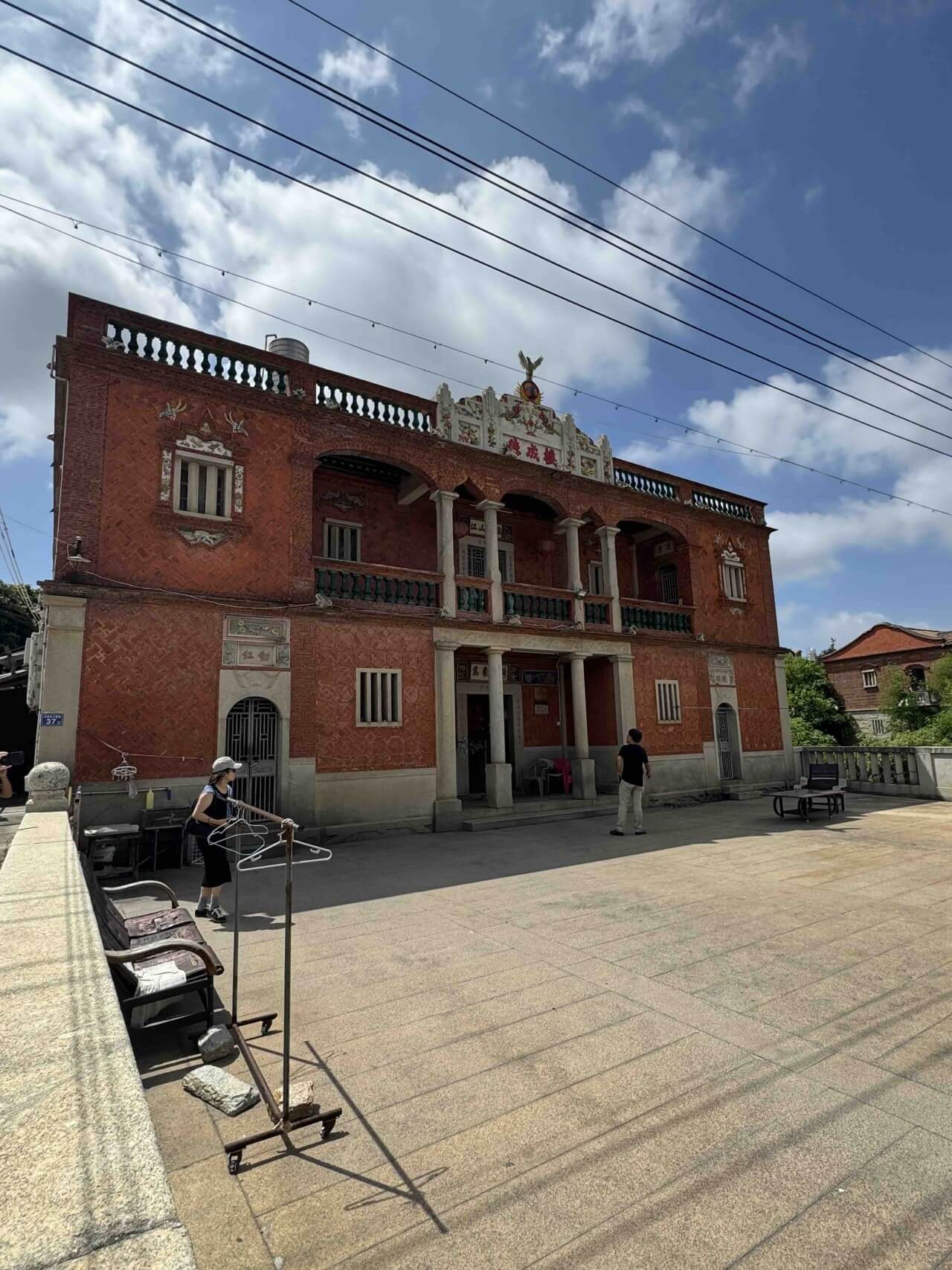
The Sy family’s ancestral home still stands in Hongxi Village, about an hour and a half from Xiamen by car.
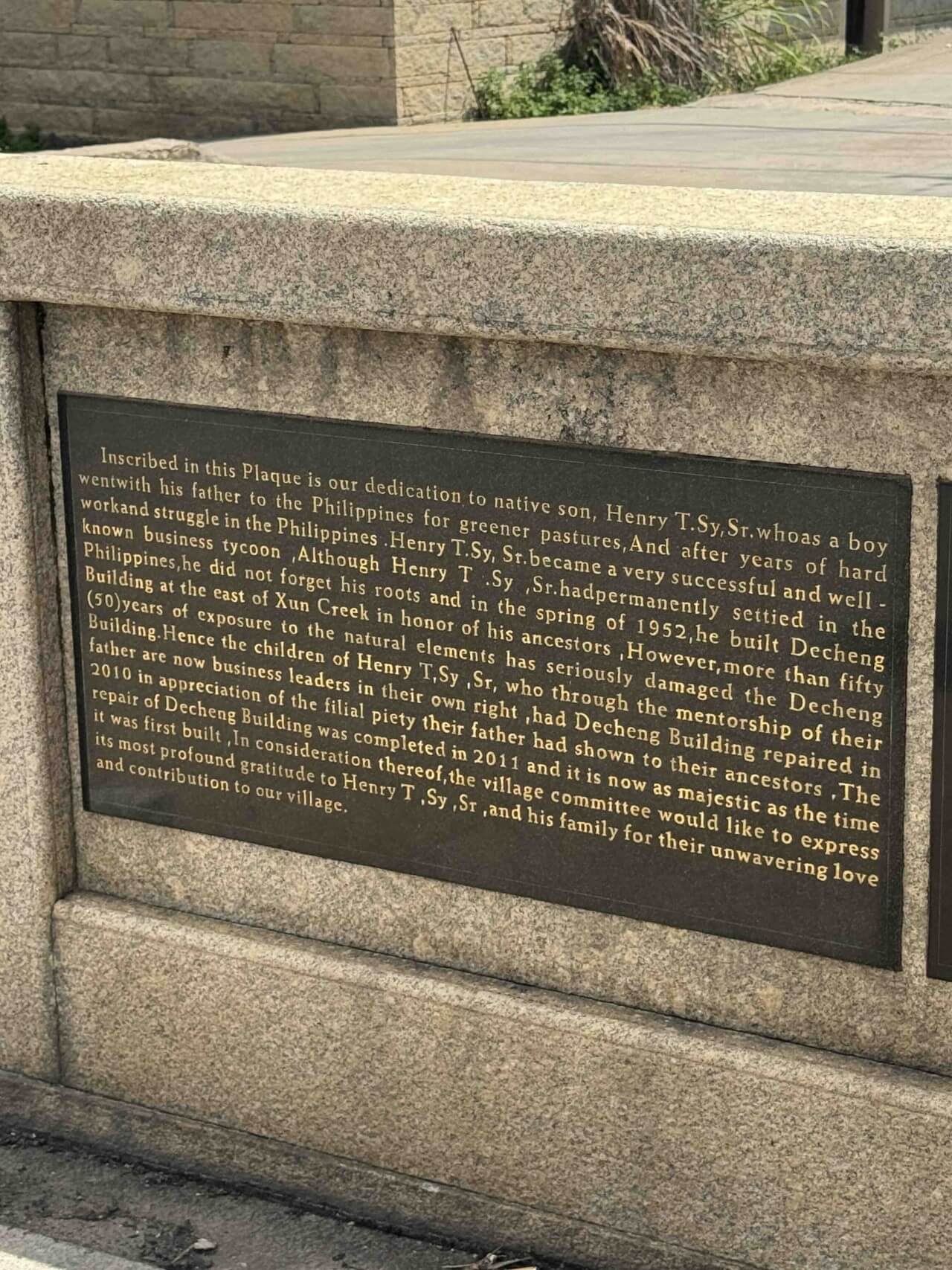
The traditional residence was built and preserved as a reminder of Henry Sy Sr.’s humble beginnings before he left for the Philippines in 1936 at the age of 12 to join his father.
In 2010, he returned to his hometown to oversee the restoration of the house, known as Decheng Building.
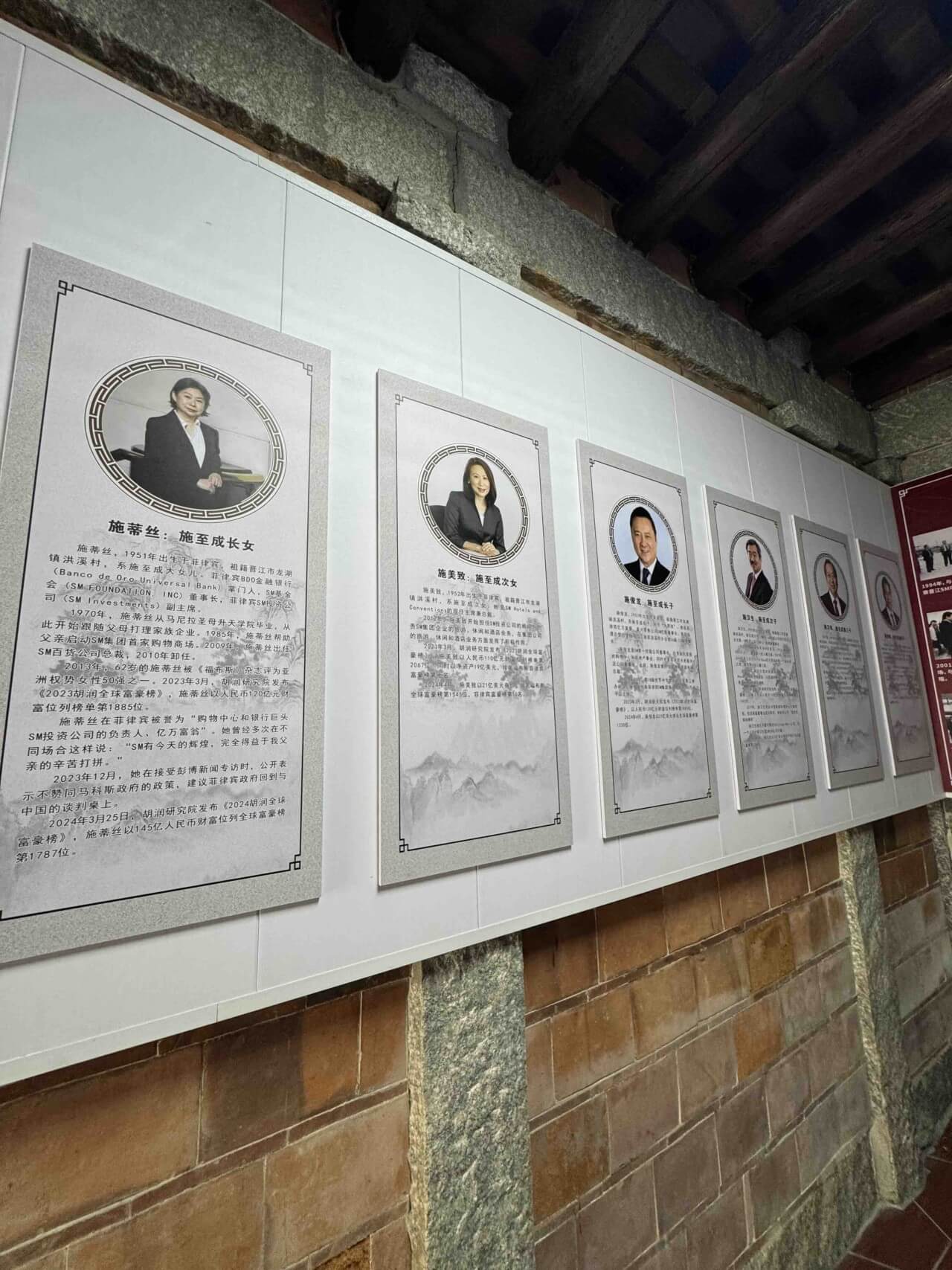
A short walk away, a museum honors overseas Chinese who built successful lives abroad, with Henry Sy Sr., his wife and their six children occupying a prominent place.
The exhibits trace his journey from leaving Hongxi to opening the first Shoe Mart store in 1958, laying the foundation for the SM Group, whose various listed companies are worth around P2 trillion.
How a key decision changed everything
The museum also recounts one of the defining moments in Henry Sy Sr.’s early life.
After the family’s neighborhood store was destroyed during World War II, his father wanted to return to Hongxi and make a living as a farmer.
Henry Sy Sr. persuaded him to remain in the Philippines and rebuild the business instead.
“Although I was once close to despair because of poverty, I never lost hope,” the exhibit quotes Henry Sy Sr. as saying.
SM’s evolving presence
Hongxi Village is a short drive from SM City Jinjiang, which opened in 2005 as the group’s second mall in China.
It retains the box-like exterior and layout of SM’s earlier malls.
Inside, however, the electric vehicle boom is impossible to miss, with 16 EV brands displayed throughout the property.
Filipinos may be more familiar with BYD, but Chinese shoppers have embraced a much wider range of domestic brands. Among those featured inside SM malls are ZEEKR, XPENG and NIO.
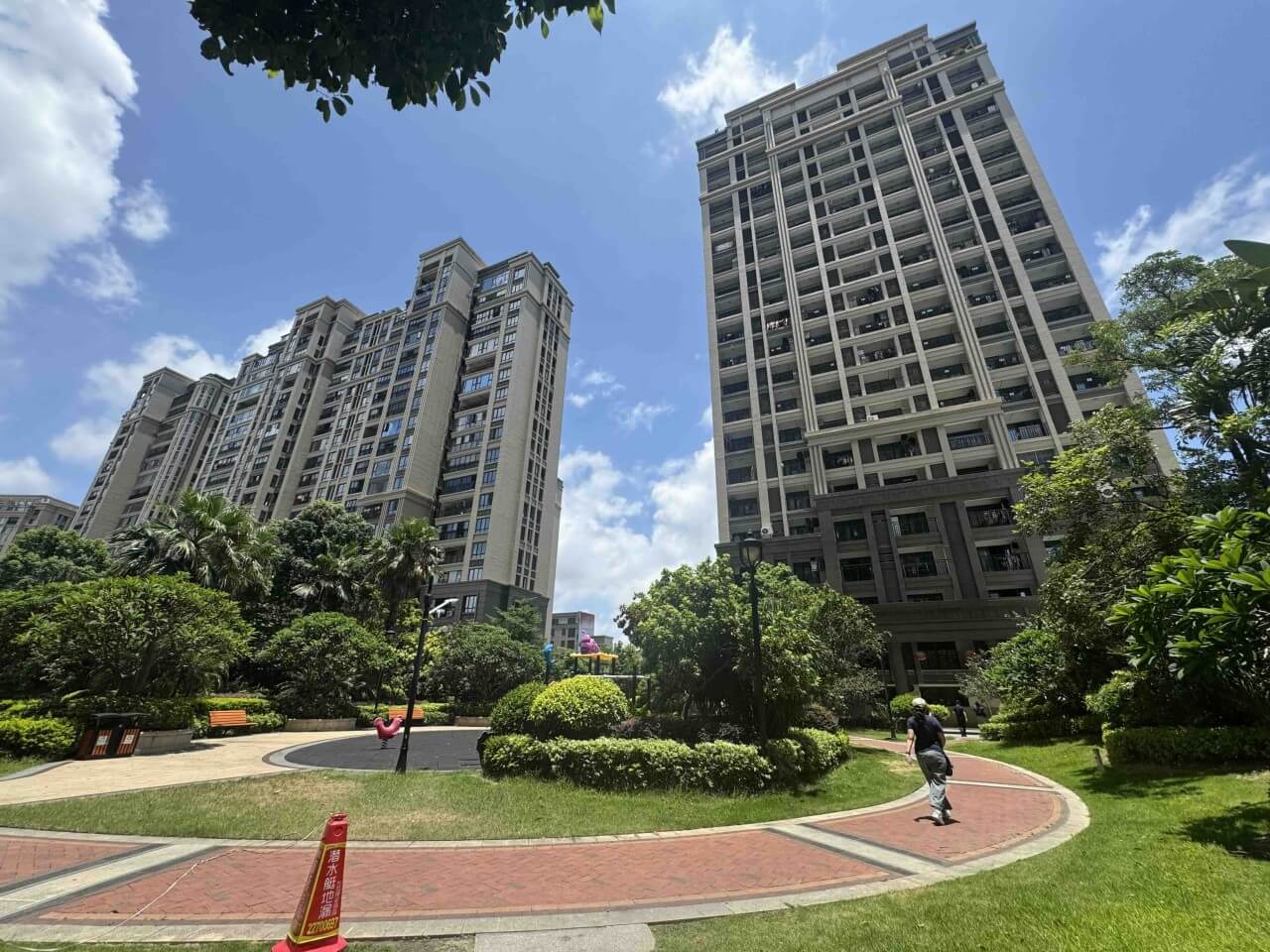
Near SM Jinjiang stands SM Prime’s first residential project in China, a modest complex of 20-story residential towers developed with the family behind the Philippines’ listed Anchor Land Holdings.
SM retains one of the towers, which now serves as housing for its employees.

The next chapter
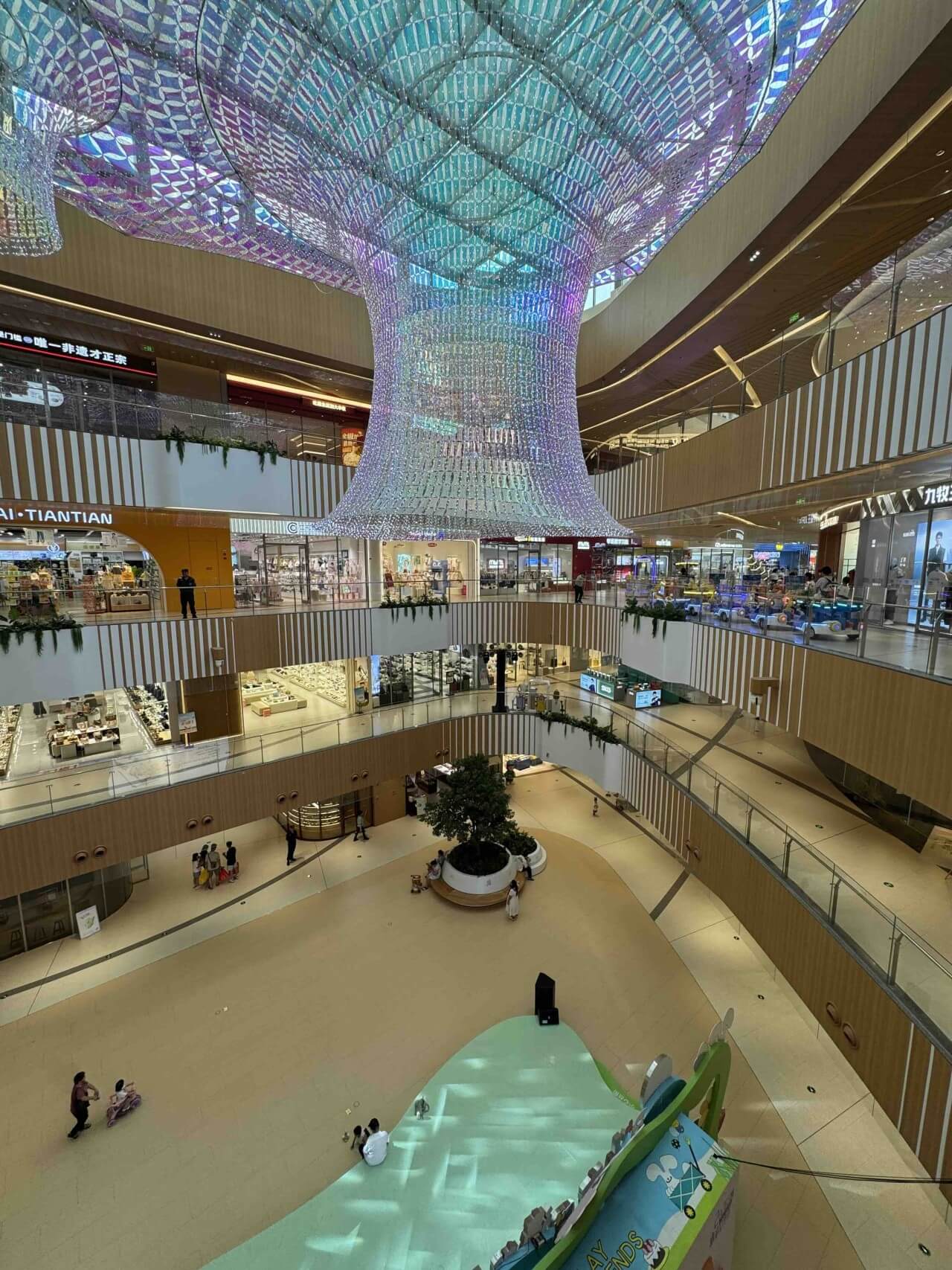
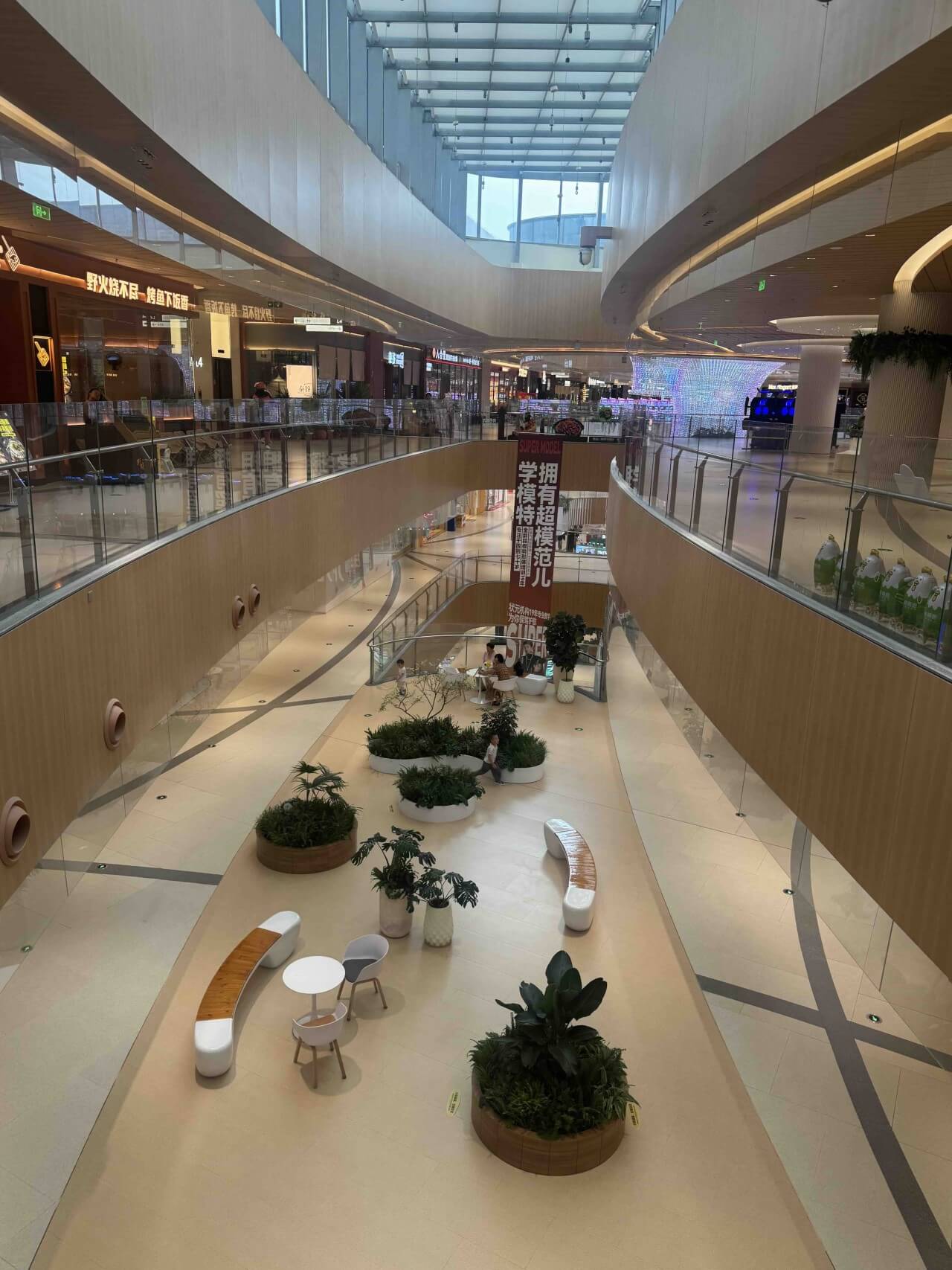
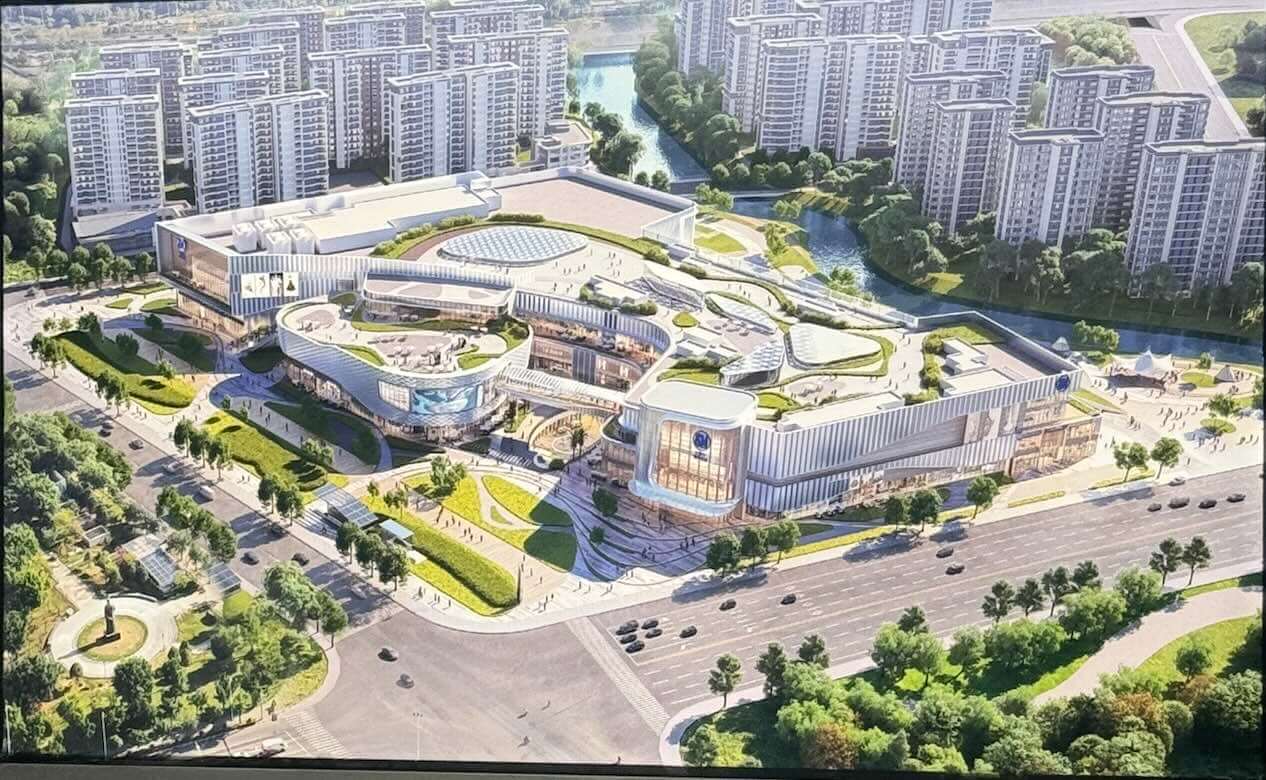
About a 30-minute drive from SM Xiamen is SM City Xiamen Haicang, the group’s newest mall in Fujian, which opened last October.
Here, the familiar SM mall format has given way to a more contemporary design and experiential offerings, including a ragdoll cat café and an IMAX theater.
The changes reflect a broader shift in the global mall industry, with changing consumer preferences reshaping tenant mixes, said Johnson Co, SM China country head.
Soon, SM Prime will launch its first 24-hour commercial district at SM Xiamen, creating a new lifestyle destination aimed at younger consumers.
It may not be long before this format finds its way to the Philippines as SM draws inspiration from China’s dynamic business environment.
Lim said trainees who once went to the United States or Europe are now being sent to China to bring home the latest in retail innovation.
“We’re learning from China,” he said.
Miguel R. Camus has been a reporter covering various domestic business topics since 2009.