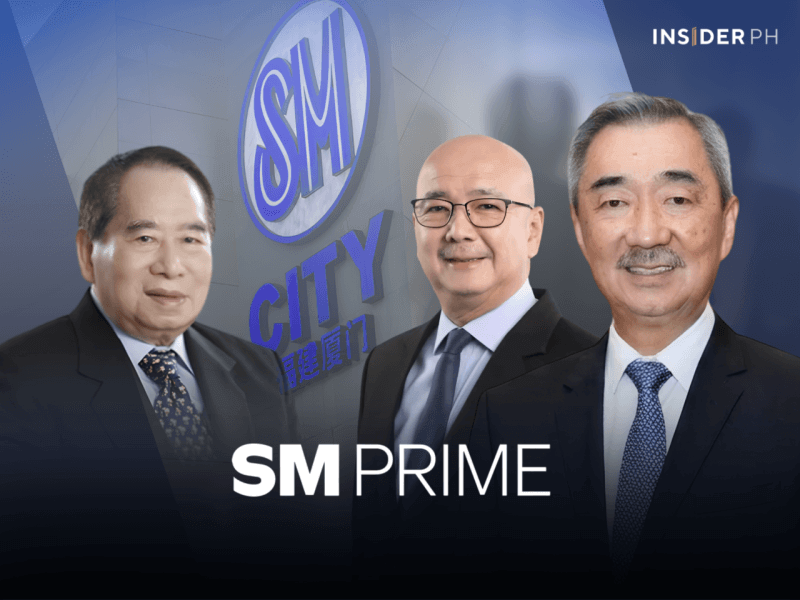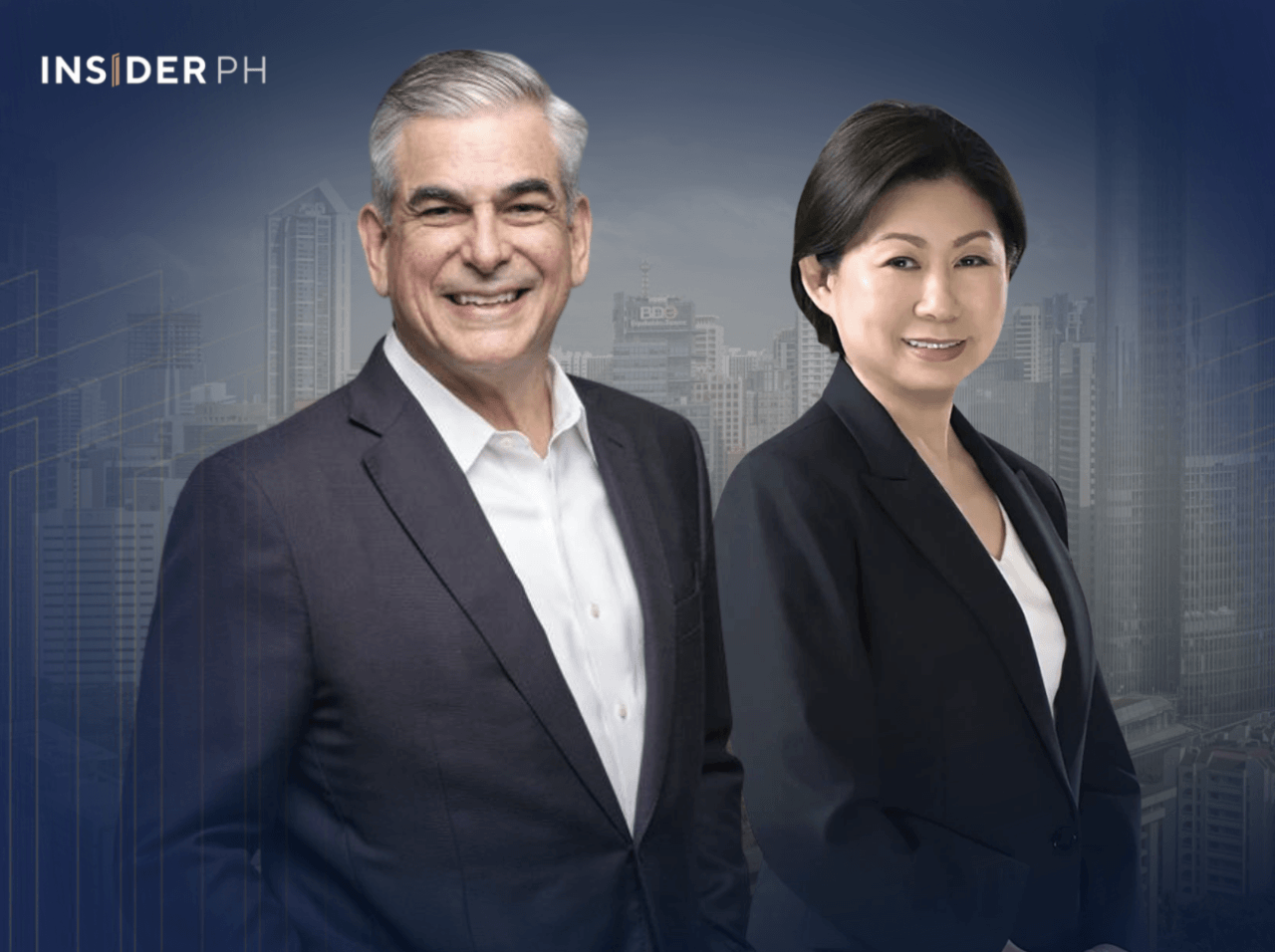
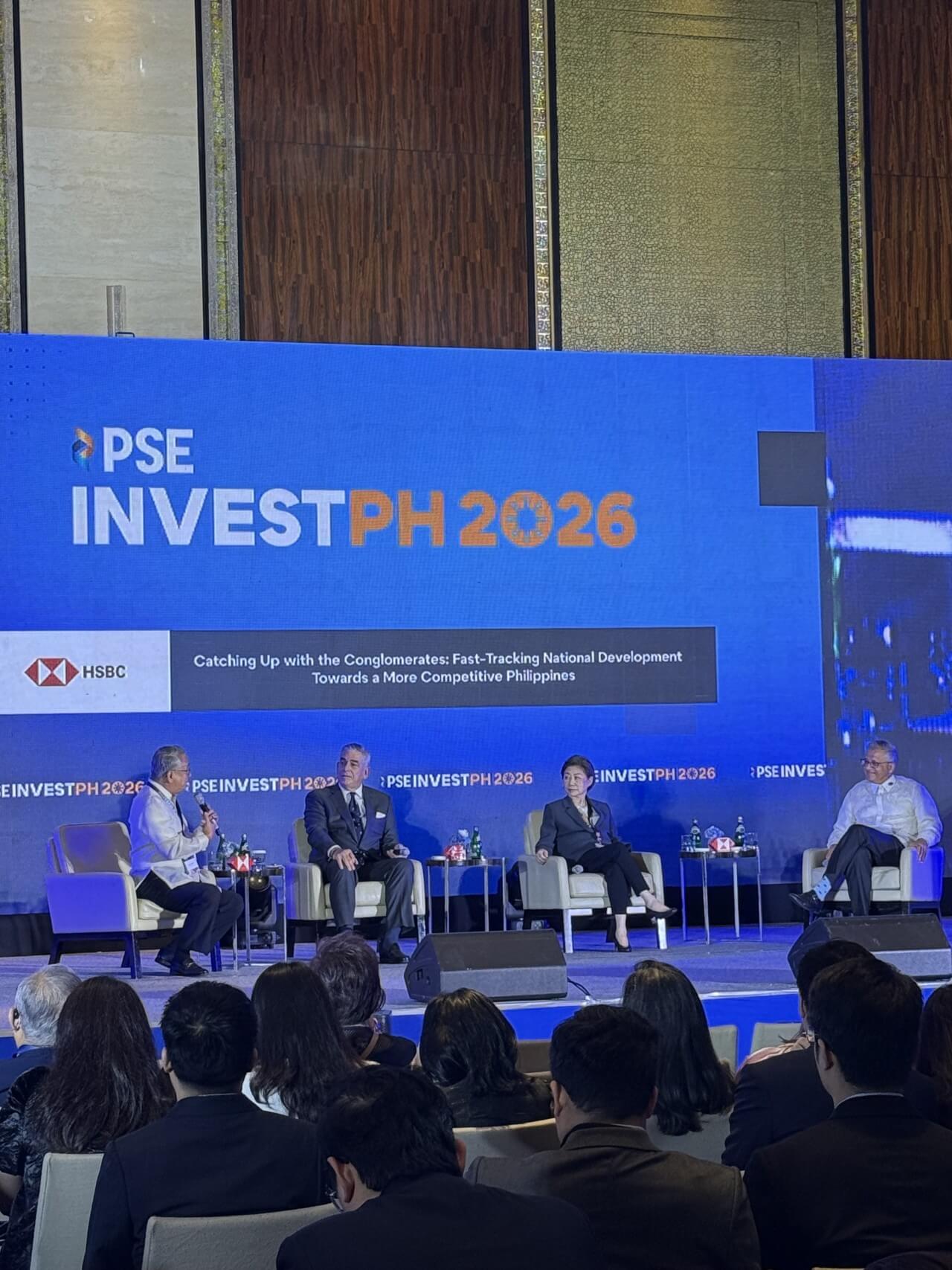
At the InvestPH conference 2026, Teresita Sy-Coson, vice chair of SM Investments Corp., floated the idea of building costly refineries in the Philippines to reduce dependence on imported fuel.
“I know it’s a very big project, so it could be part of the PPP [Public Private Partnership program], and I’m pushing Jaime to push Shell to do something like that. Please do it for the country. We have to be a bit more independent,” Sy told co-panelist Jaime Augusto Zobel de Ayala, chair of conglomerate Ayala Corp..
“I would gladly invest in it together with you, Tessie,” Zobel, whose brother Fernando sits as an independent director of Shell Pilipinas Corp., responded in jest.
It’s a well-known fact that the Philippines now has only one refinery, after Shell shut its Batangas plant in 2020 due to weak demand and poor margins.
The exchange drew laughs but exposed a gap in the country’s energy infrastructure, with Petron Corp., backed by tycoon Ramon S. Ang's San Miguel Corp., now the only refiner able to process crude oil into fuel.
Time for ‘bold’ investments
Zobel said this is where collaboration becomes critical.
“Maybe there’s a need for all of us, as institutions, to collaborate a little bit more with these very large PPP investments,” Zobel said.
“Maybe it’s time for all of us, either through our financial institutions or our holding companies, to work hand-in-hand to tackle some big issues together with the government and be a little bold in doing them,” he added.
Private sector ready to step in
Coson echoed this call for collaboration, saying the banks are keen on supporting key sectors such as renewable energy and infrastructure.
“If the government is not spending [as much], I think the private sector can step up,” said Coson, who is chair of BDO Unibank Inc., the Philippines’ largest lender by assets.
"If we can look into the PPP, I think the local banks and the foreign banks will be ready to help out in the capital requirements," she added.
Barriers to investment
This also extends to address critical issues like healthcare and education.
Coson said the private sector is ready to invest, but the government’s job is clearing barriers and making this more "relatable".
“If they can make the policy and regulation in healthcare and education more relatable, more practical, and then let the private sector come in,” she said.
Miguel R. Camus has been a reporter covering various domestic business topics since 2009.