Insider Spotlight
The PNPM aims to guide healthier consumption by classifying packaged food based on sugar, sodium, and fat content, potentially triggering front-of-pack labels, marketing limits, and taxes.
While the goal addresses rising non-communicable diseases such as obesity and diabetes, stakeholders say structural issues like affordability, access, and education must also be tackled in parallel.
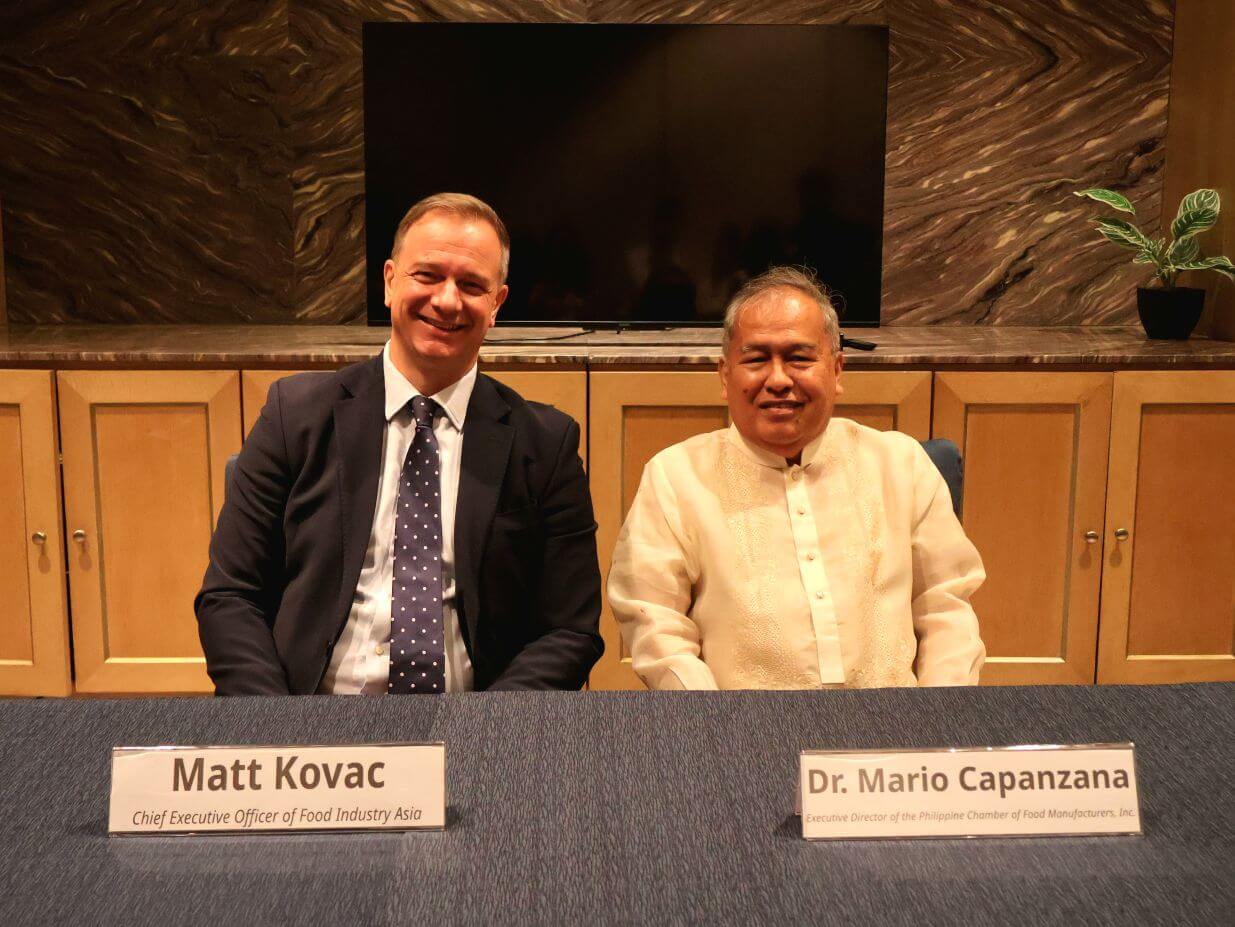
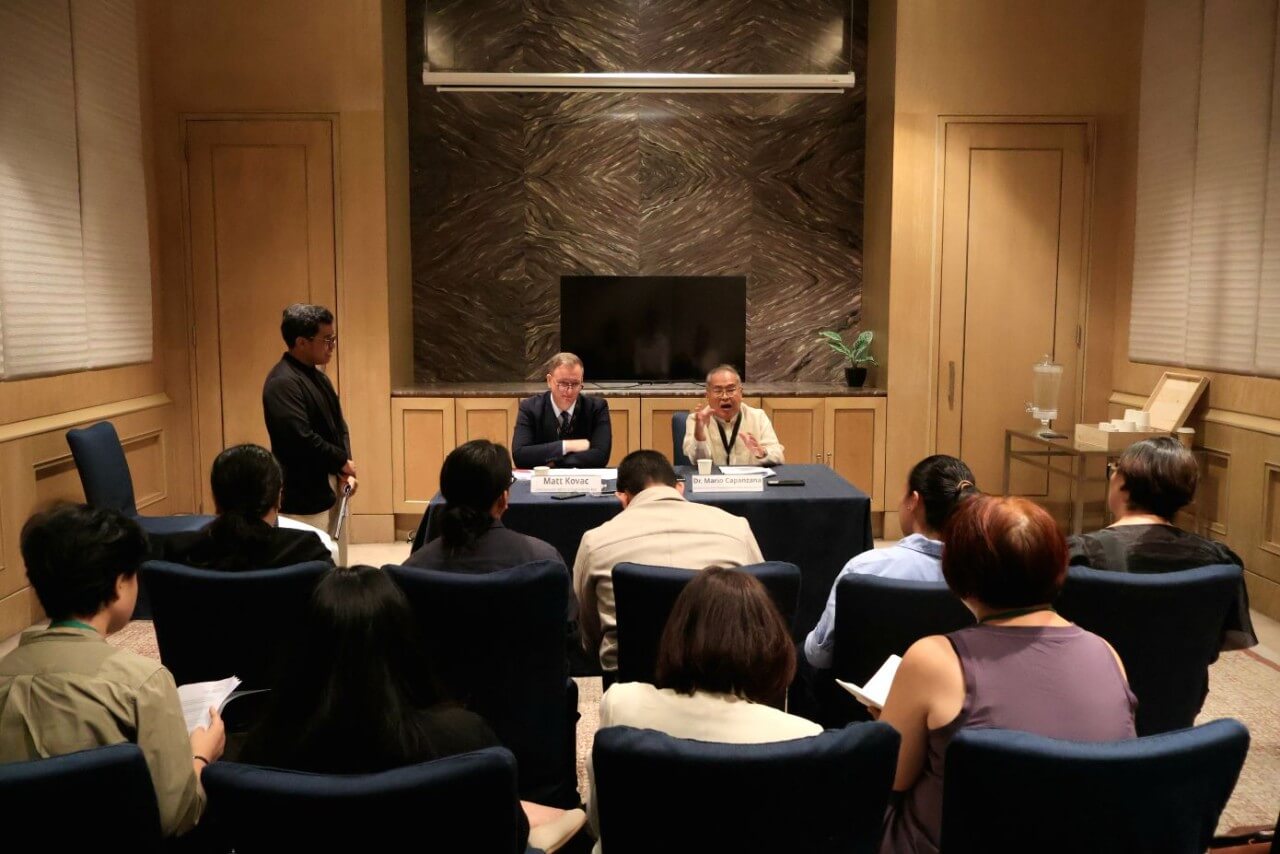
“Maybe some government experts believe the PNPN is the one thing that’s going to help,” Food Industry Asia (FIA) CEO Matt Kovac said in a statement. “But it is not a silver bullet; not a one-size-fits-all solution.”
Why it matters
FIA and the Philippine Chamber of Food Manufacturers, Inc. (PCFMI) support the policy’s intent but are calling for deeper technical review and inclusive consultation.
“Working closely with the relevant stakeholders, like the food industry, and ensuring true inclusive dialogue is essential in shaping policies like the PNPM. It allows both public health goals and food supply chain realities to be considered, leading to solutions that are more practical, balanced, and widely supported,” says Dr. Mario Capanzana of the PCFMI.
The concerns
Industry analysis shows that 95 percent of commercially available products could fail current thresholds, raising risks of supply disruption and reduced consumer choice.
The absence of a full Regulatory Impact Assessment also leaves uncertainty over economic consequences.
“Striking a balance is essential so that policies like the PNPM improve nutrition without placing undue burden on consumers and food manufacturers, especially small businesses that are already navigating rising costs,” Kovac added.
Economic ripple effects
The agri-food sector contributes $164.6 billion to GDP and supports 18.8 million jobs, underscoring the policy’s wide reach.
At the same time, inflation has risen to 4.1 percent, squeezing household budgets and amplifying concerns over food affordability. Low-income households already allocate about 42 percent of food spending to staples that could be affected.
SME pressure
More than 99 percent of manufacturers are MSMEs, many of which face higher costs from reformulation, testing, and packaging changes.
The bottom line
Industry groups are pushing for validation studies and phased implementation—arguing the PNPM can be effective if embedded within a broader, coordinated approach that improves nutrition outcomes without undermining affordability or economic stability. —Ramon C. Nocon | Ed: Corrie S. Narisma