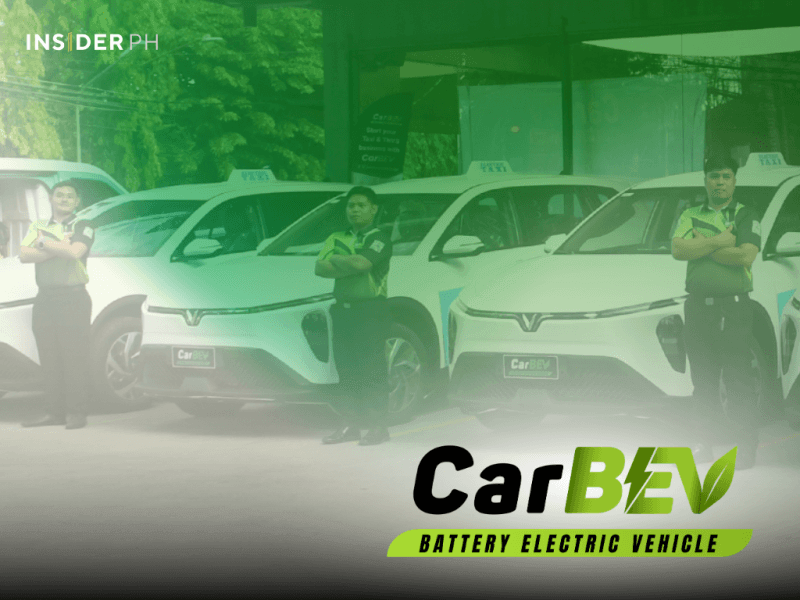
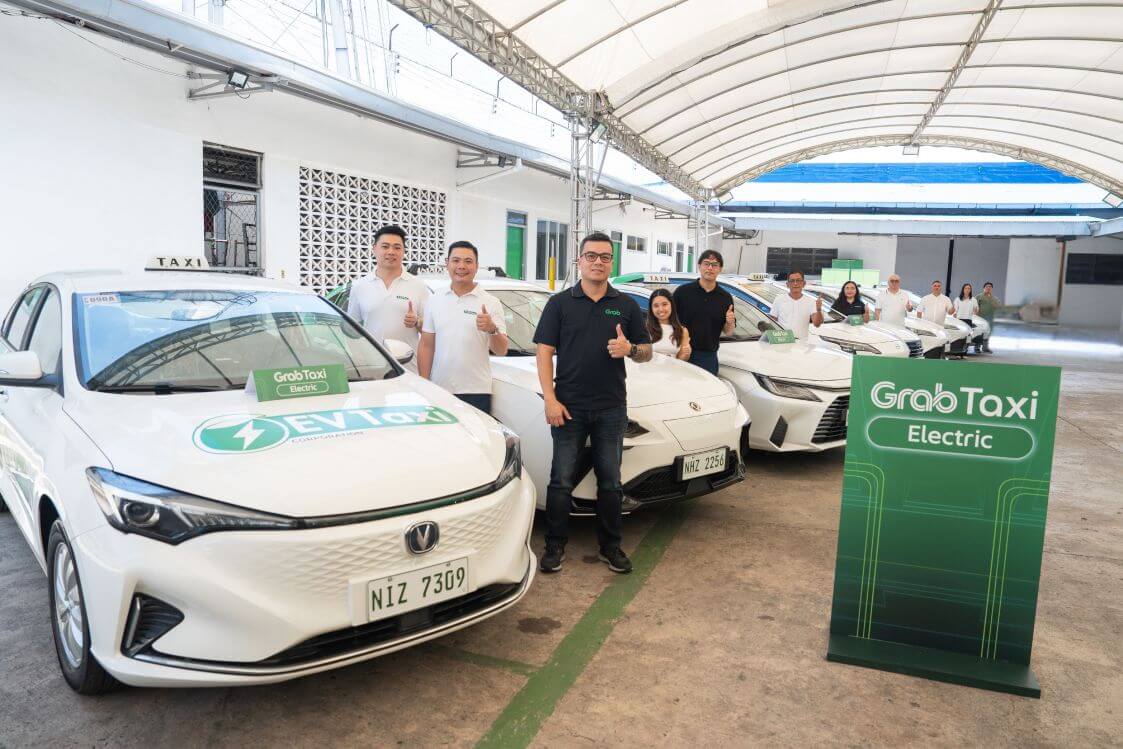
Participating operators include EV Taxi Corporation, EnviroCab, TaxiKo Transport Services, KateMikylla, CMAIII, ManilaTrans Taxi Corp, and Sun & Bin Transportation Corp.
The expansion comes as fuel prices continue to surge nationwide, putting pressure on operators of traditional combustion-engine fleets.
For conventional taxi operators, these fluctuations translate into tighter margins and unpredictable daily earnings.
Lower costs, higher resilience
Electric vehicles offer a markedly different cost structure. Industry operators say EV taxis run at roughly 75 percent to 87 percent lower cost per kilometer compared with internal-combustion units—even before the latest spike in oil prices.
This cost advantage is proving crucial in the current environment, allowing EV operators to maintain more stable, resilient, and sustainable business models.
For fleet operators, the shift is not only about savings but also about operational viability in a volatile fuel market.
Platform-driven demand
Operators say that joining GrabTaxi Electric has significantly improved fleet utilization by providing access to steady, on-demand bookings.
Several operators report that more than 80 percent of their daily trips now come from Grab’s platform, highlighting the importance of digital demand in sustaining EV taxi operations.
“When we invested in an all-electric fleet, the challenge was never the vehicle—it was the demand,” said Eric Ke, chief mobility strategist of EV Taxi Corp.
“Street-hail alone could not sustain the utilization rates we needed. Activating on GrabTaxi Electric changed the equation. We now have a reliable stream of bookings that keeps our units productive throughout the day,” he added.
Policy support and expansion
The initiative aligns with the Electric Vehicle Industry Development Act (EVIDA), which promotes the adoption of EVs in public transport and supports faster franchise processing for EV units.
The Land Transportation Franchising and Regulatory Board (LTFRB) has also backed efforts to accelerate the transition to electric taxis as part of broader transport modernization and clean energy goals.
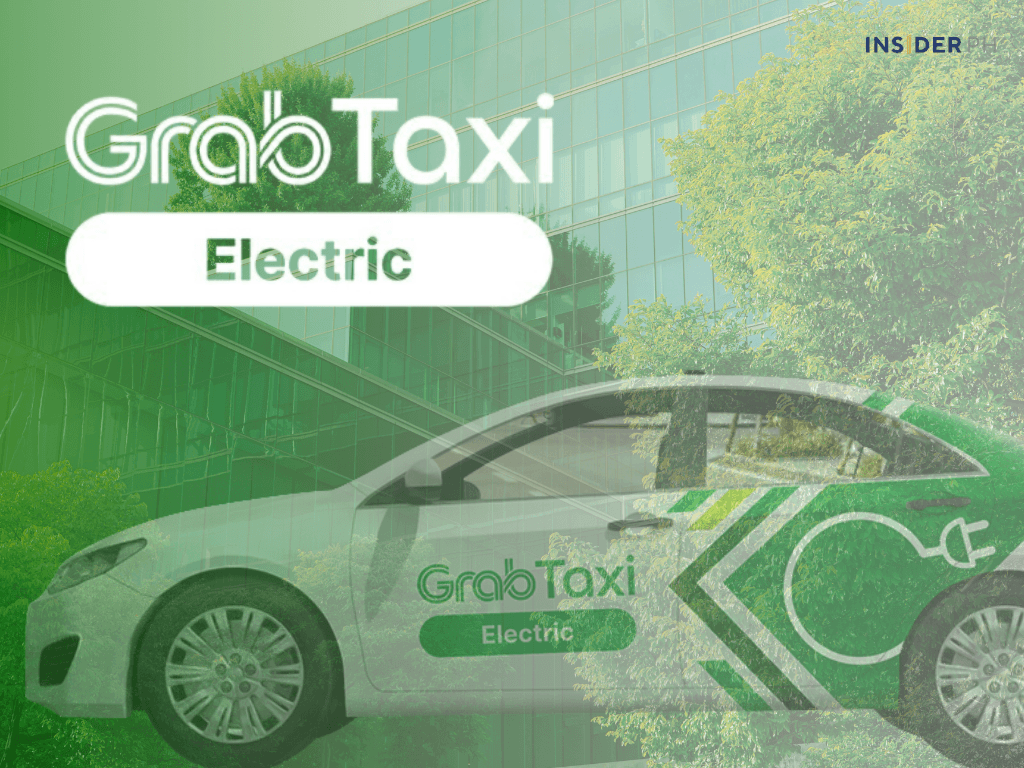
GrabTaxi Electric is currently in beta, with services available across key Metro Manila areas, including Makati, Taguig, Pasig, Manila, Mandaluyong, and Quezon City, among others.
Grab Philippines said it plans to expand the service to regional hubs such as Cebu and Davao as adoption grows.
Bridging supply and demand
Grab Philippines general manager for mobility Gines Barot said the platform plays a key role in connecting commuters with emerging EV fleets.
“Grab is proud to serve as a bridge between the riding public and Filipino operators leading the shift to electric mobility,” Barot said.
He added that the model enables local entrepreneurs to scale their EV investments by providing access to demand, technology, and platform infrastructure.
Safety and next steps
Passengers and drivers using GrabTaxi Electric can access the platform’s full suite of safety features, including trip monitoring, emergency assistance tools, and ride-sharing options with trusted contacts.
Driver-partners also benefit from incentive programs designed to support sustainable earnings.
Industry stakeholders view the multi-operator rollout as a key step in demonstrating that EV taxis can operate at commercially viable levels.
Grab said it is continuing to work across its ecosystem to make electric vehicles more accessible to the next wave of drivers and operators. — Ed: Corrie S. Narisma