Insider Spotlight
Airside efficiency directly affects flight reliability, turnaround times, and overall passenger experience. While largely unseen by travelers, these upgrades are central to reducing delays and ensuring safer airport operations.
What’s new
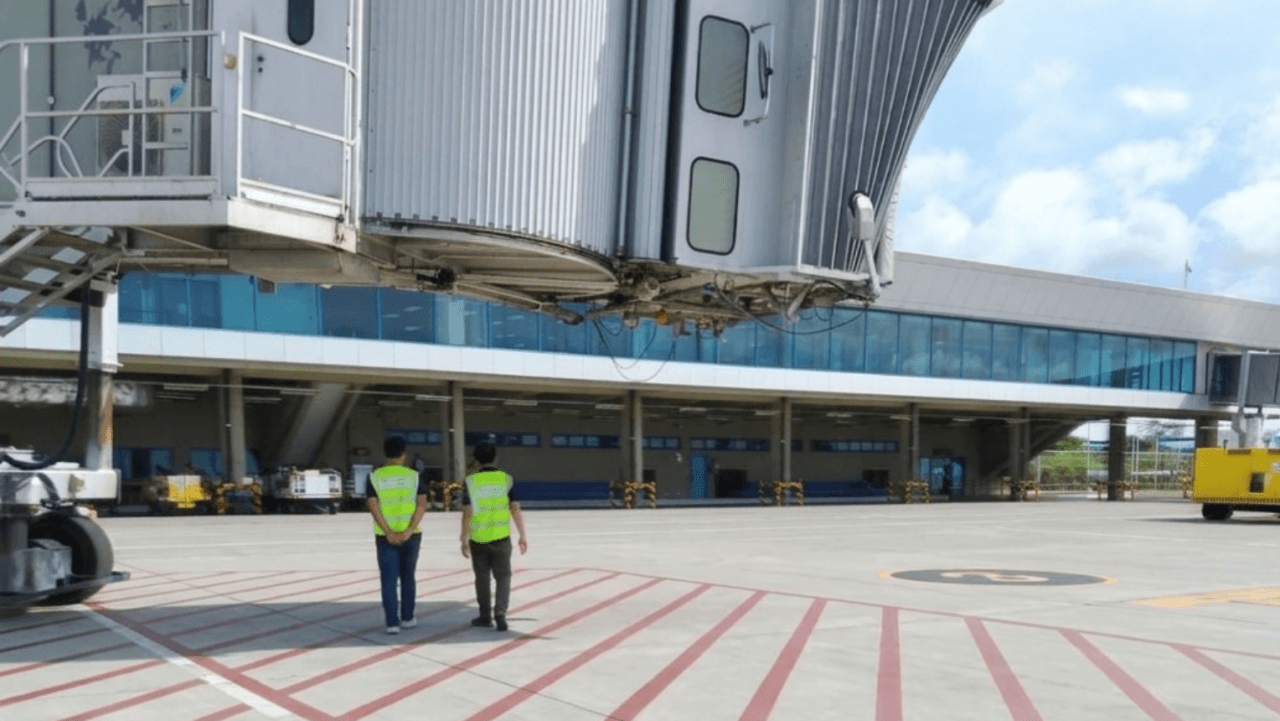
AIC has introduced clearer apron markings, enhancing guidance for both aircraft and ground crews. These updates are designed to streamline aircraft positioning and movement, helping minimize congestion and operational friction on the ground.
The company has also deployed additional Foreign Object Debris (FOD) bins across airside zones, making it easier to keep runways and aprons clear of hazardous materials that could damage aircraft or disrupt operations.
Zoom in
In a company statement, AIC emphasized that these behind-the-scenes enhancements are part of a broader push to deliver a smoother, more reliable passenger journey, with safer airside operations translating into fewer disruptions and improved on-time performance.
“While these improvements take place behind the scenes, they play a critical role in delivering a seamless passenger journey at Laguindingan International Airport. In keeping with our overall vision for Aboitiz InfraCapital Airports, safer and more efficient airside operations translate to more reliable flights and an overall better airport experience,” said AIC vice president and head of airports Rafael M. Aboitiz.
The big picture
These upgrades build on earlier runway works, including inspections, rubber removal, crack repairs, and repainting of apron bollards and pedestrian lanes — all aimed at maintaining optimal surface conditions for aircraft.
What’s next
AIC Airports is advancing a multi-airport modernization program covering Laguindingan, Bohol-Panglao, and Mactan-Cebu airports under concession agreements awarded in 2024.
By the numbers
The group’s airport network is expected to collectively serve around 16 million passengers by end-2025, representing over 20 percent of national passenger traffic.
Bottom line
AIC’s continued investments signal a long-term push to elevate Philippine gateways, strengthen regional connectivity, and position airports as key drivers of tourism and economic growth. —Princess Daisy C. Ominga | Ed: Corrie S. Narisma