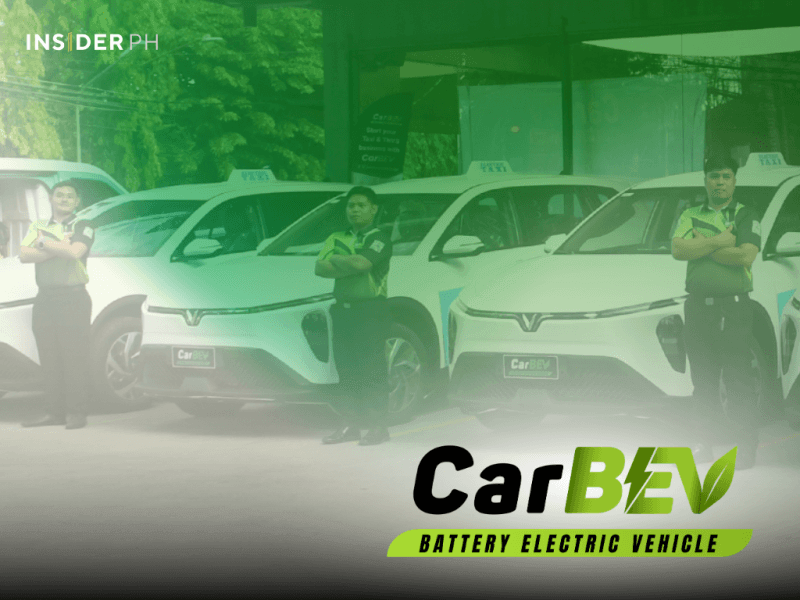
Fuel prices continue to cut into driver earnings, while many Transport Network Vehicle Service (TNVS) units are nearing replacement age. Eco-Drive aims to solve both problems at once.
The big picture
Eco-Drive brings together banks, automakers, and Grab into a single ecosystem designed to make cleaner vehicles more accessible.
How it works
Zoom in
Grab will share verified driver data — including earnings, tenure, and ratings — to support loan applications, potentially helping drivers who have struggled with traditional credit requirements.
What they’re saying
Between the lines
For full-time drivers, switching to EVs or hybrids could mean significant daily fuel savings — but only if financing is accessible. Eco-Drive is designed to prevent loan costs from offsetting those savings.
Industry backing
Automotive partners highlighted both economic and environmental benefits:
On the ground
Drivers say financing has long been the biggest hurdle.
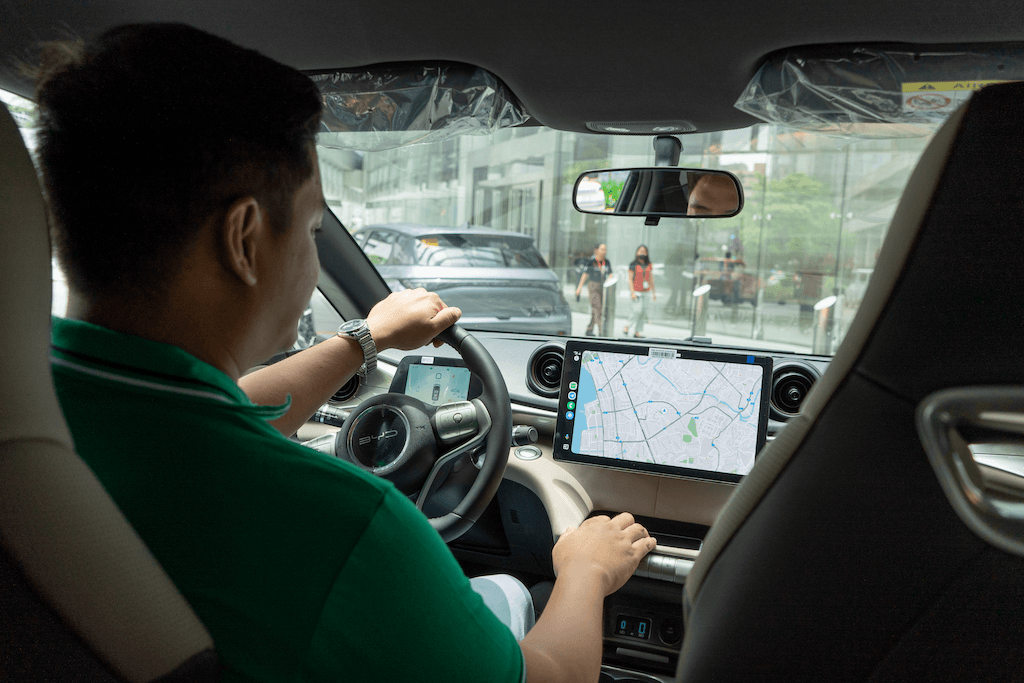
“Hindi ang pagmamaneho ang mabigat — kundi ang bayarin at gasolina (It’s not the driving that’s difficult — it’s the costs and fuel)”,” said Grab driver-partner Zaldino Leal, noting the burden of monthly payments and volatile fuel prices.
Another driver, Rowie Guina, said recognizing driver track records in loan approvals signals that professional driving can be a long-term career.
The policy angle
Eco-Drive aligns with government electrification goals under the Electric Vehicle Industry Development Act (EVIDA) and the Department of Energy’s roadmap.
Grab says it will continue working with regulators like LTFRB, DOTr, and DOE.
Yes, but: The transition must be inclusive.
What’s next
Eco-Drive will roll out progressively, with plans to expand eligibility and financing access over time.
Bottom line
If successful, Eco-Drive could accelerate fleet modernization while boosting driver earnings — and bring cleaner vehicles to everyday Filipino commuters. —Ed: Corrie S. Narisma