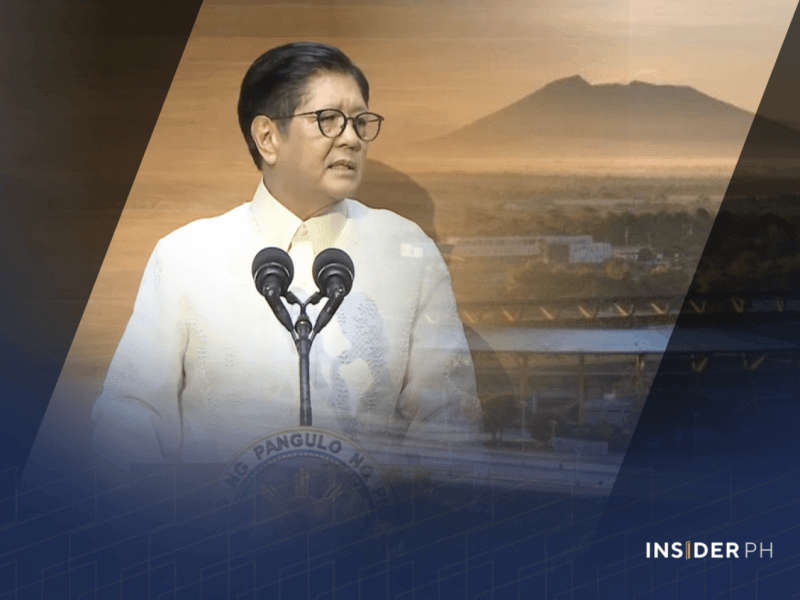

Signed during President Ferdinand Marcos Jr.’s state visit to Japan, the agreement replaces a convention first negotiated in 1980 and later amended in 2008, updating tax rules for a modern economy increasingly driven by cross-border investment and technology flows.
Lower barriers for investors
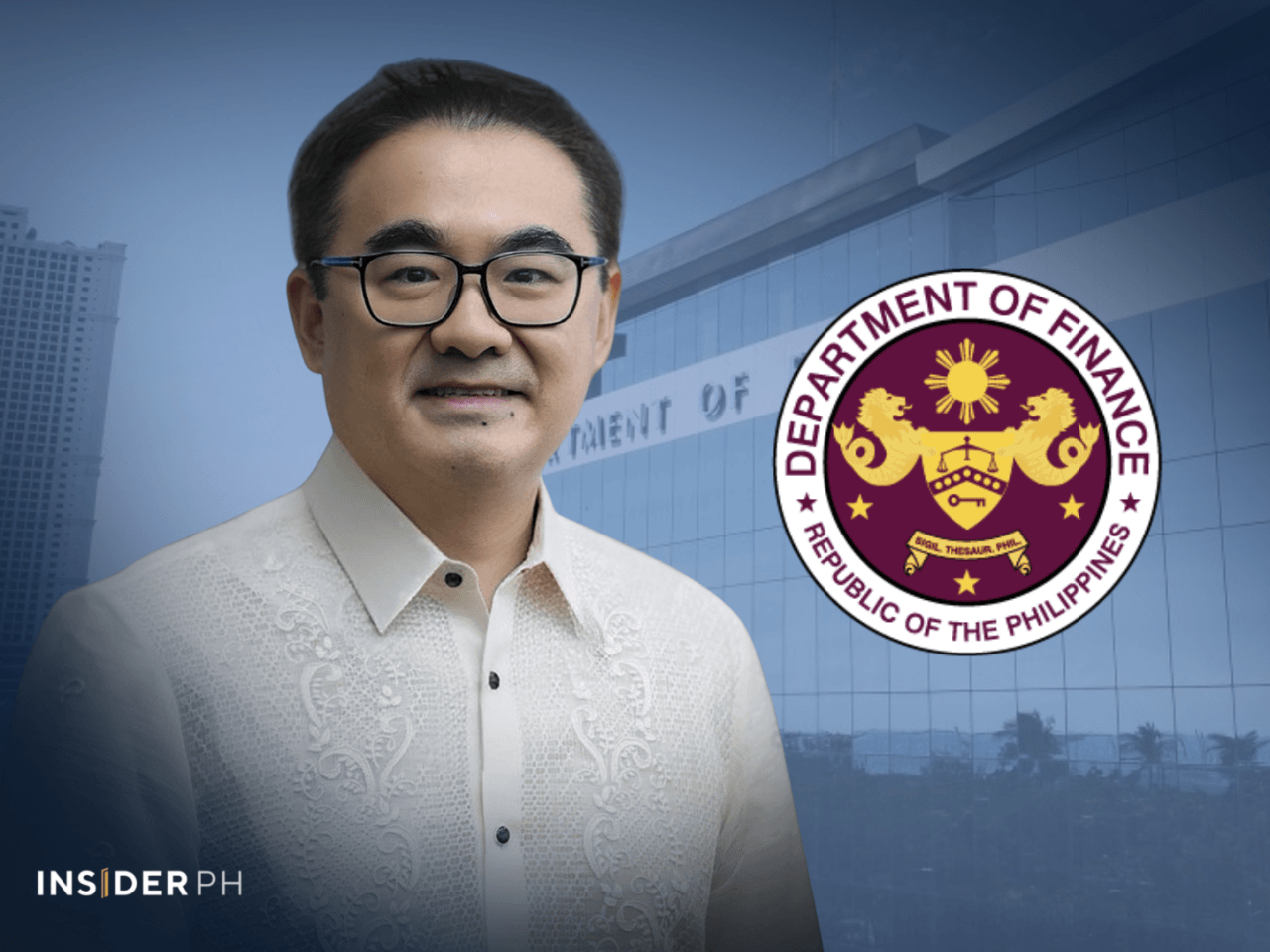
“This agreement reflects the Philippines’ commitment to fostering a more competitive, predictable, and investment-friendly environment that will create high-quality employment opportunities and sustained economic growth,” Finance Secretary Frederick D. Go said in a statement on Friday.
The revised treaty eliminates the risk of double taxation and provides clearer rules on cross-border income, reducing costs and improving certainty for companies operating in both countries.
It also updates withholding tax provisions on dividends, interest and royalties, changes designed to encourage greater flows of Japanese capital, technology and business activity into the Philippines.
Japan remains a key partner
That could prove significant as Japan remains one of the country’s largest sources of foreign direct investment, with annual inflows exceeding $800 million in both 2022 and 2023.
The government is betting that lower tax friction and clearer tax treatment will encourage more investments in manufacturing, infrastructure and digital industries while supporting job creation.
The treaty is also expected to benefit more than 245,000 Filipinos living and working in Japan by providing more predictable rules on the taxation of cross-border income.
—Edited by Miguel R. Camus