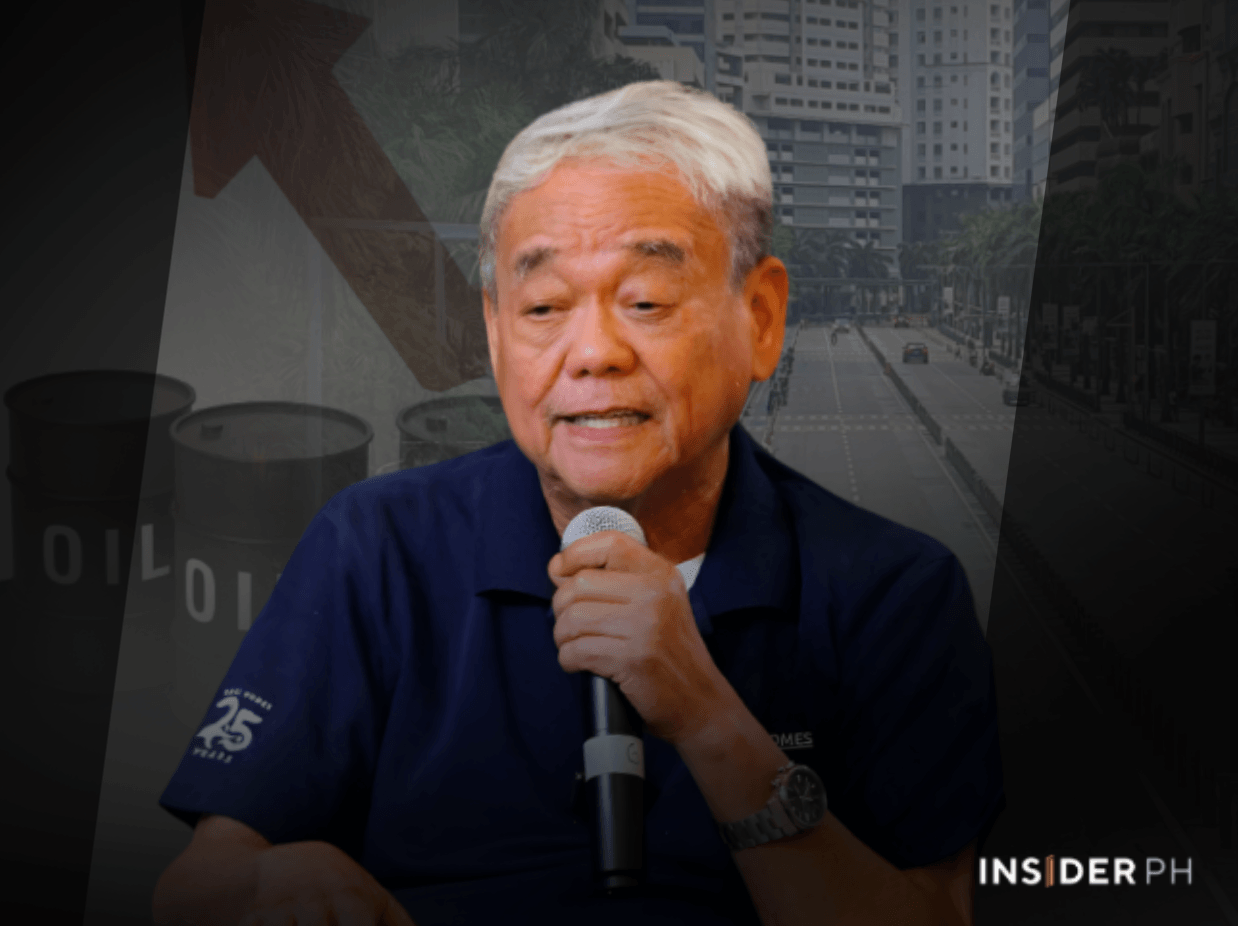
Consunji, who heads the energy, construction, infrastructure and real estate conglomerate DMCI Holdings, on Tuesday flagged transport as the most immediate risk.
Logistics, especially delivery trucks and public transport, are heavily dependent on diesel, whose retail prices have more than doubled since the US war on Iran began.
“If trucks stop running, how will people eat? How will Manila be supplied with food?” Consunji told reporters.
If supply constraints intensify, it could end up being worse than the global health crisis that triggered a wave of lockdowns from 2020 through 2022.
“It’s possible if there is a shortage,” Consunji said.
Supply risks emerge
Tulsi Das C. Reyes, DMCI Mining president and part of the family’s third generation of leaders, said the energy crisis threatens supply availability.
“The pandemic wasn’t a supply issue. This is a supply issue,” he said.
The group has made early preparations, but ultimately the length of the Middle East conflict will test how long these measures can hold.
Cost pressures build
Maria Cristina C. Gotianun, president of Semirara Mining and Power Corp., said power operations have less fuel dependency but it still remains a major expense.
There are already current discussions on passing on fuel surcharge to customers, she said.
Construction and housing could also face delays as the company revises projections with higher logistics and raw material prices.
“There might be delays or reconfiguration because you have to go back to the table to update your costs,” said Jorge Consunji, head of D.M. Consunji.