Insider Spotlight
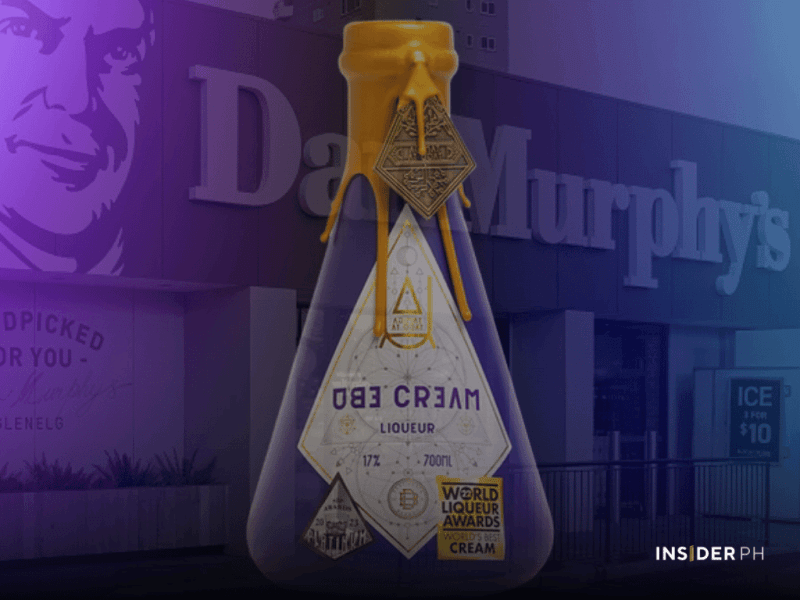
The rollout signals broader momentum for Filipino flavours in Australia’s drinks industry as ube — the vivid purple yam long used in Filipino cuisine — continues its global rise through desserts, café beverages and social media trends.
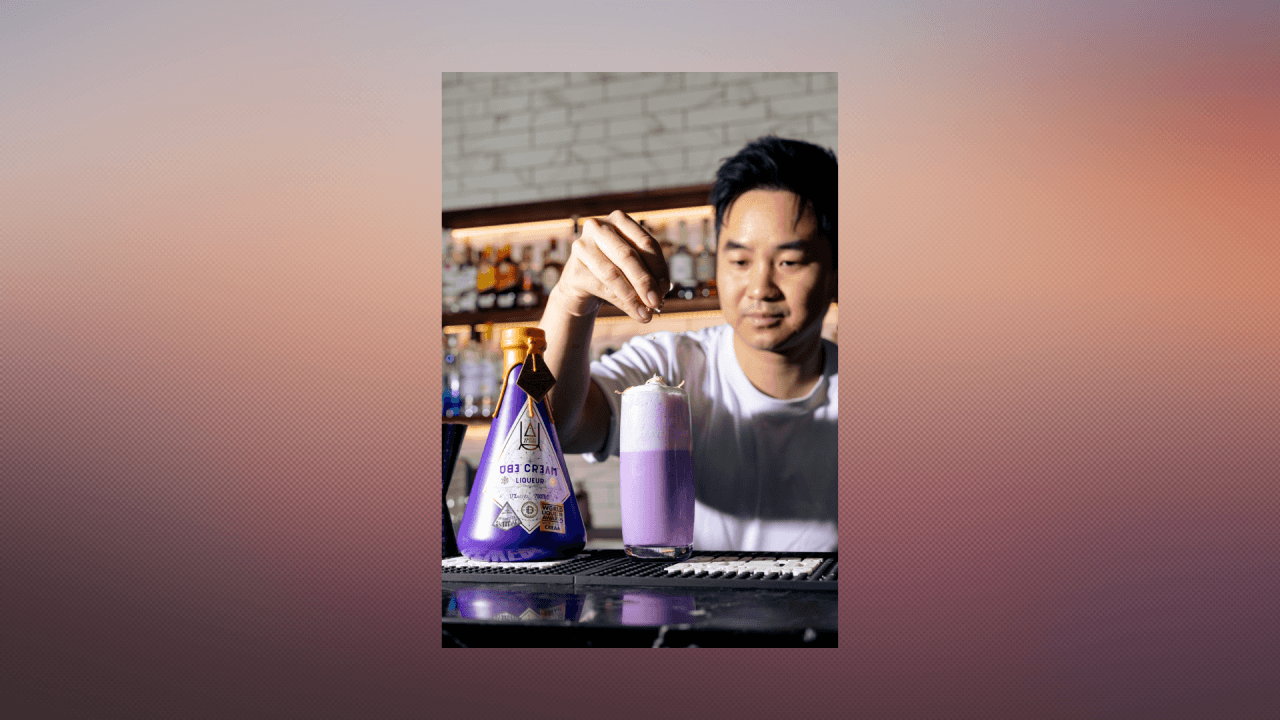
Philippine exports of ube products rose 20.4 percent in 2025, according to Philippine Department of Trade and Industry data, while Starbucks introduced ube beverages across its US, European and Australian stores last year.
The Australian Financial Review recently described ube as the ingredient poised to follow matcha’s rise from niche product to mainstream staple.
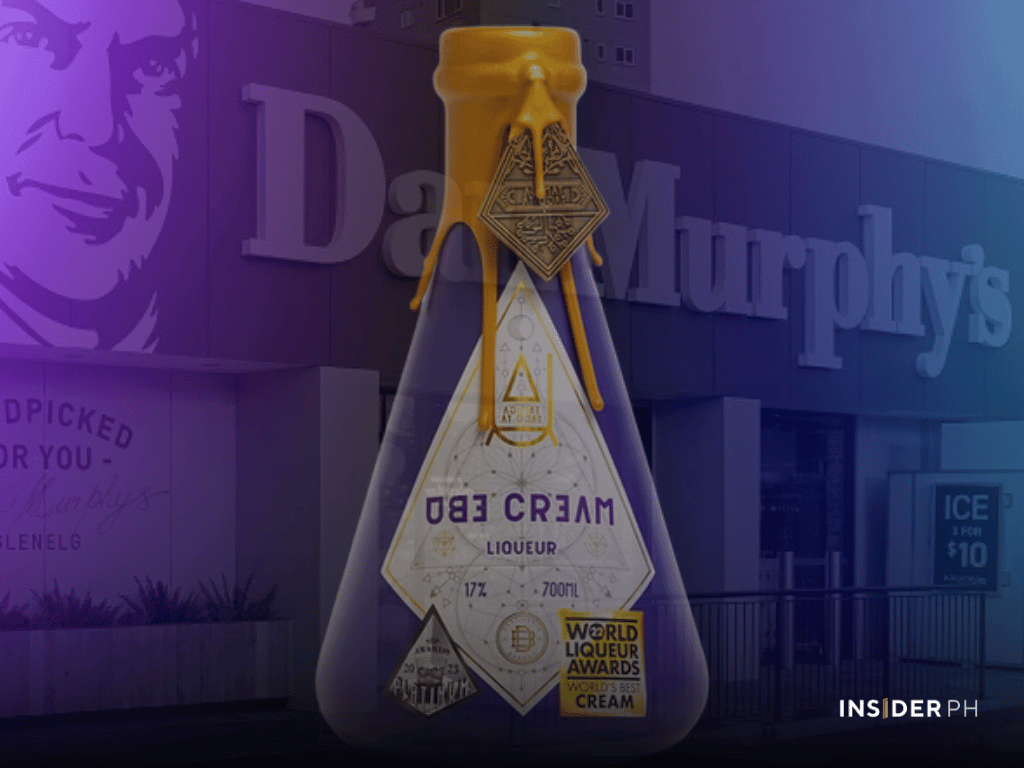
For Sydney-based importer and distributor 7000 Islands Drinks, the national retail listing marks the culmination of years spent building awareness around Filipino craft spirits in Australia. The details were disclosed in a company release.
“When we started in 2020, there was no Filipino craft spirits category in Australia – we had to build it one bartender and one venue at a time,” said Siegfrid “Siggy” Bacani, founder of 7000 Islands Drinks.
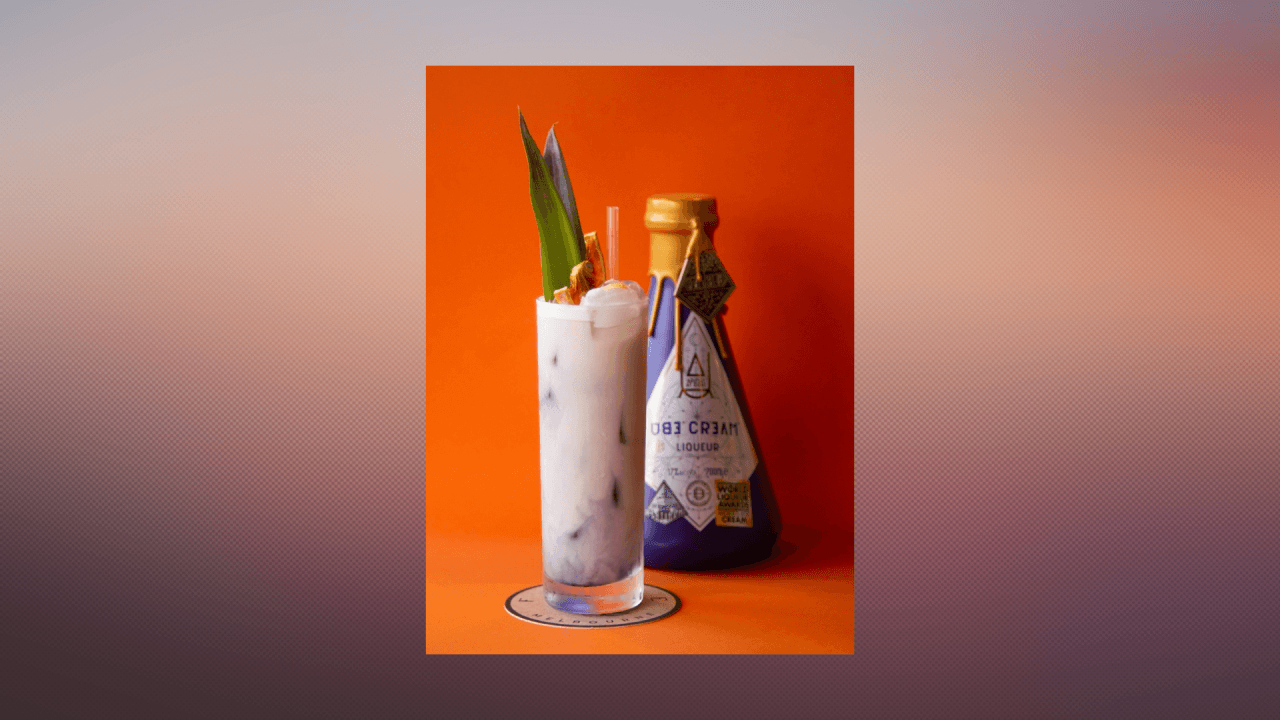
“Landing on Dan Murphy’s shelves tells us the category has arrived. But the real proof is in the 300-plus bars and restaurants across the country that are now confidently putting Filipino flavours on their cocktail menus.”
From kitchen to cocktail bar
The expansion into beverages mirrors broader recognition for Filipino cuisine globally and in Australia.
The Michelin Guide launched its first Philippines edition in October 2025, awarding stars to nine restaurants across Manila and Cebu. Australia now has more than 200 Filipino eateries nationwide, according to industry data.
7000 Islands said it spent the past three years running bartender training and trade advocacy programs to familiarise Australian venues with Filipino ingredients including ube and calamansi.
That effort is beginning to translate into cocktail menus across both metropolitan and regional venues.
A Filipino spirit with global awards
Ube Cream Liqueur is produced by Destileria Barako in Aklan, Philippines, using sugar cane spirit from Negros, coconut cream from Mindanao and ube sourced from Bohol.
The product has won several international awards, including World’s Best Cream Liqueur at the World Drinks Awards and a Gold Medal at the San Francisco World Spirits Competition. —--Princess Daisy C. Ominga| Ed: Corrie S. Narisma