Editor’s note: After publication, First Gen Corp., through its corporate communications head, disputed a key assertion in this report, saying the change-in-management-control provisions referred to as a “poison pill” were not newly agreed days after the reported attempt to remove Federico “Piki” Lopez as president of Lopez Inc.
The company said these provisions were already part of an earlier agreement executed on Feb. 13, 2026 and were subsequently disclosed to the Philippine Stock Exchange in the amended filing dated April 30 and posted on May 4, 2026.
The original article incorrectly cited claims that the provisions were tied to later transactions and timing around the leadership dispute. This has been corrected.
The provisions were part of the Feb. 13 heads of terms, but were finalized in the March 6 agreements despite the ouster move on Feb. 27.
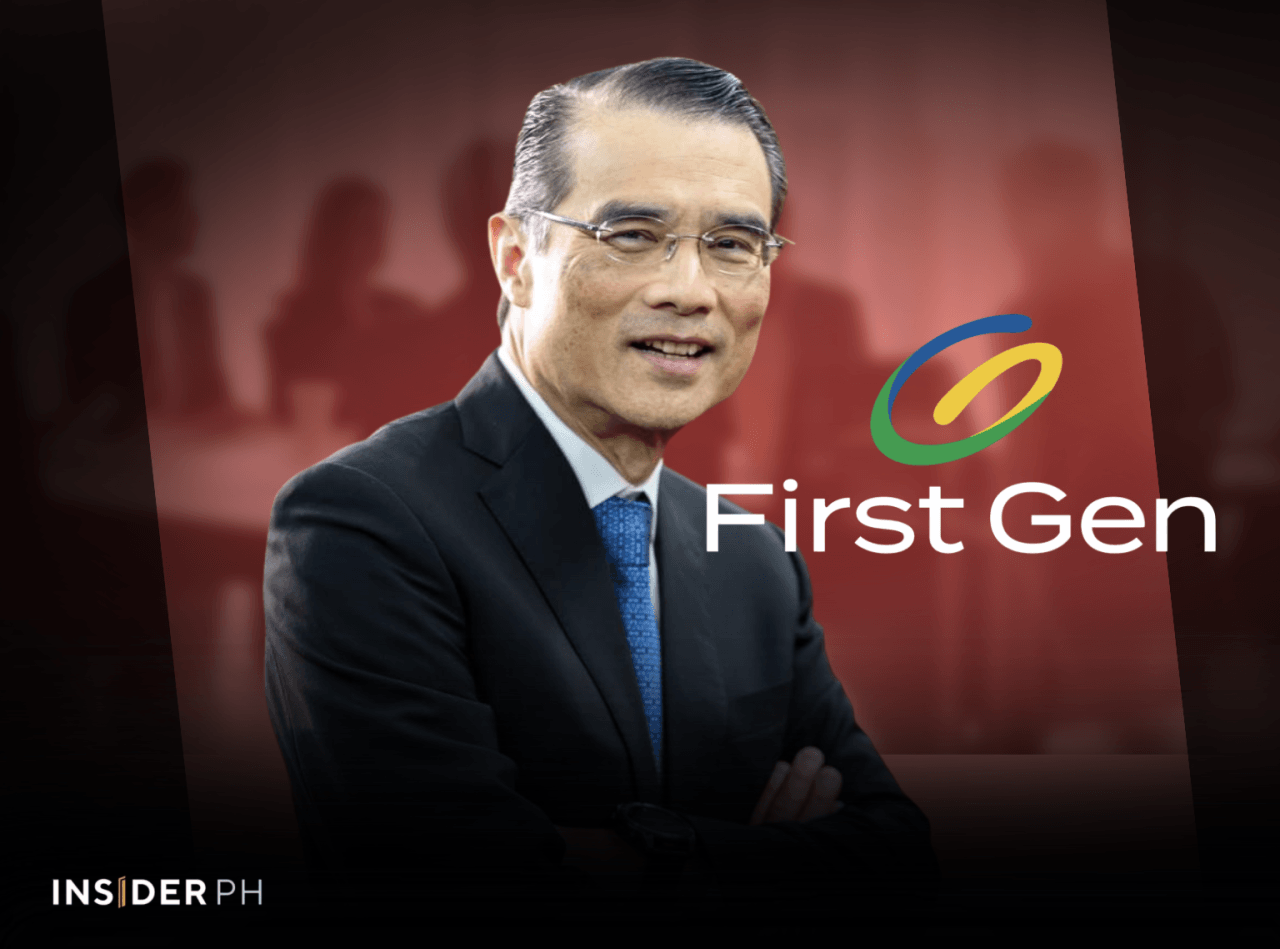
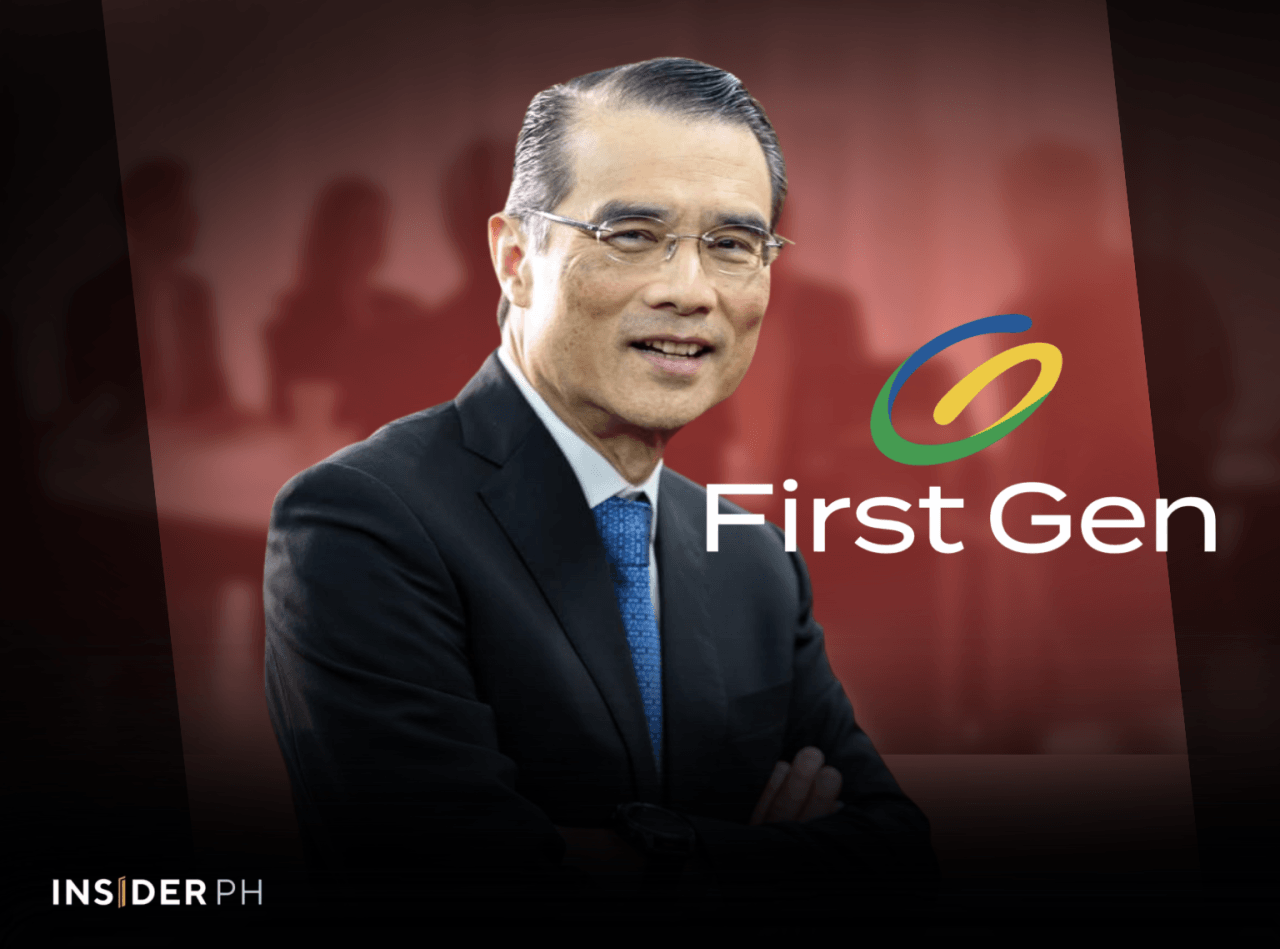
The power giant, led by CEO Federico “Piki” Lopez, provided that key piece of information on Monday through an amended disclosure that came weeks after the family dispute surfaced, saying it struck the agreements containing the clause on March 6, 2026.
This means the poison pill clause was signed days after the family majority moved to oust Piki Lopez.
The previous week, the Lopez family majority led by Piki Lopez’s cousin, Eugenio “Gabby” Lopez III, had voted on Feb. 27 to oust Piki Lopez as head of Lopez Inc., which would have impacted his position across the business group, including First Gen.
Piki Lopez sought an injunction and secured a Mandaluyong court order, issued on March 16 and enforced on March 26, to keep his position.
Poison pill signed 4 months after gas business sale to Razon
The March 6 shareholders’ agreements with tycoon Enrique Razon Jr.’s Prime Infrastructure Capital Inc. included a provision that gets triggered if Piki Lopez or his designees are removed.
The new filing also showed that the controversial clause covered not just the recent P62 billion investment in Razon's hydropower assets but the roughly four-month old First Gen sale of its gas assets for P50 billion, which was sealed in November 2025.
The Lopez majority argued this is a poison pill since it allows Razon to purchase First Gen assets at a significant discount, totaling about P23 billion across the hydropower and gas deals.
For First Gen, however, this is less of a poison pill and more of a “key man” clause, which was sought by Razon to protect the firm from a hostile takeover.
Why First Gen case stands out
A deal expert told InsiderPH these provisions are not typically made public, but the nature of First Gen’s case goes further than usual given the significant financial exposure to public investors, including state pension funds like the Social Security System and the Government Service Insurance System.
These clauses are meant to protect partners in large investment deals, but First Gen’s case is atypical as it ties change in control specifically to Piki Lopez and his designees, rather than using broader control language, said the deal expert, who requested anonymity.
A CEO of a large listed company, who also requested anonymity, agreed that while these provisions are common in investment deals, the multibillion-peso penalties in First Gen’s poison pill should have been flagged by management.
“If it were me, I wouldn’t have agreed,” the CEO said, adding that exposing shareholders to such losses goes against the fiduciary duty of corporate stewards.
What happened before?
The family squabble broke out in the weeks after the Feb. 13 deal by First Gen’s plan to invest about P62 billion for a minority stake in Razon’s pumped storage hydropower projects with Prime Infrastructure Capital, covering the Wawa and Pakil developments.
Part of the conflict involves Piki Lopez’s refusal to infuse additional funding into the family’s ABS-CBN Corporation, which has been grappling with heavy losses and debt since losing its broadcast franchise in 2020.
Disclosure gaps
The company’s initial Feb. 13 announcement of the transaction did not mention any such provision but this was later revised in an amended disclosure dated April 30 and disclosed on May 4 this year. A subsequent March 9 filing on the transaction also did not include that condition.
First Gen first disclosed the poison pill on April 13, 2026, after the Philippine Stock Exchange sought clarification on a news report following concerns raised by Gabby Lopez.
The March 6 signing only surfaced weeks later via an amended filing dated April 30 and disclosed on May 4 due to the Labor Day holiday.
On April 27, 2026, a group of 12 Lopez family members—including Gabby Lopez, Rafael Lopez, Ernesto Miguel Lopez, Roberta Pilar Lopez Feliciano, Ramon Javier Lopez, Maria Cristina Rosario Lopez Grassi, Maria Eugenia Psinakis Brown, Michael Lopez, Manuel Lopez, Maria Margarita Lopez, Miguel Lopez and Martin Lopez—signed a joint statement backing the move to remove Piki Lopez, citing loss of trust and confidence.
They said major transactions, including deals with Prime Infrastructure were not fully disclosed to them, raising governance concerns.

Miguel R. Camus has been a reporter covering various domestic business topics since 2009.