Insider Spotlight
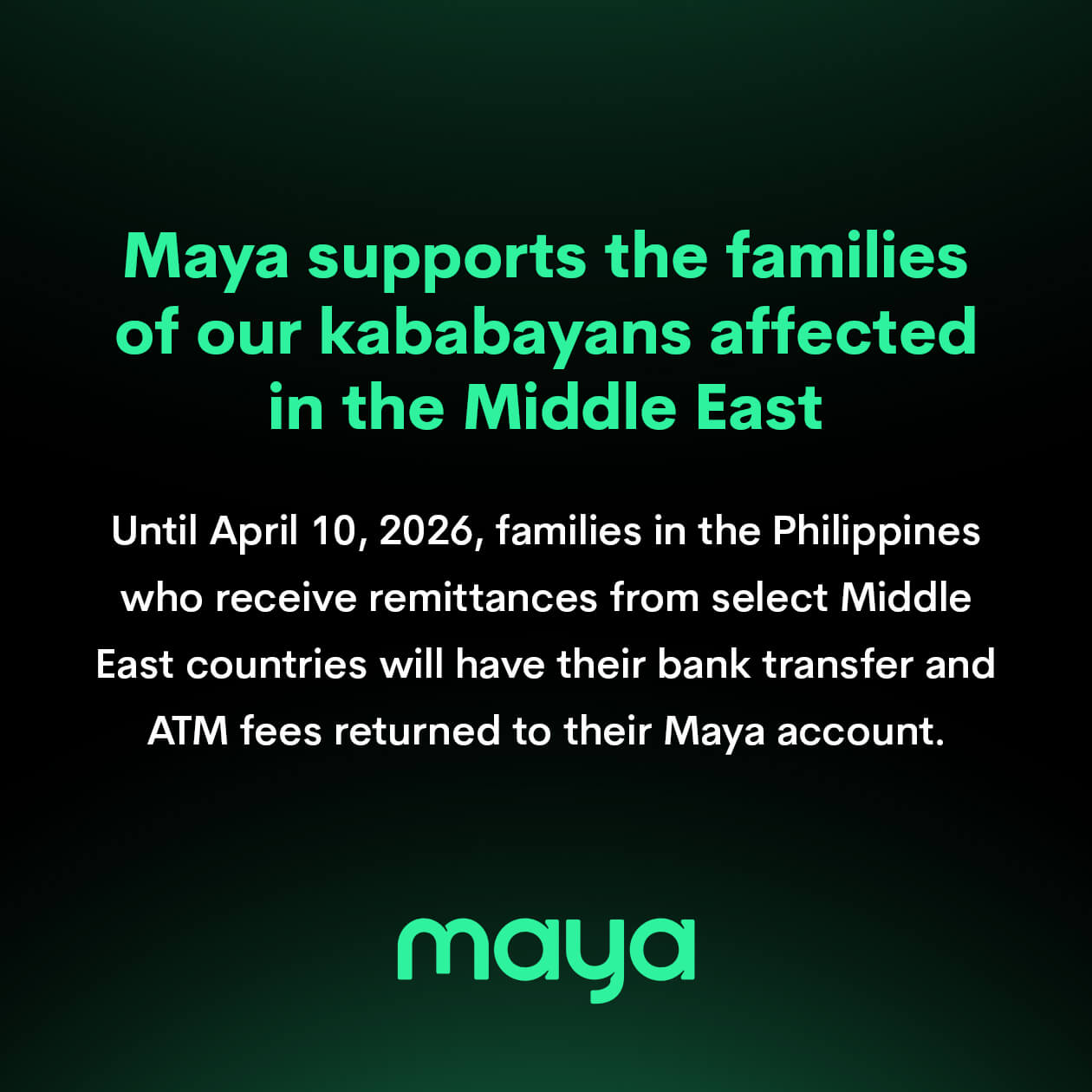
From March 23 to April 10, users receiving funds from Bahrain, Kuwait, Oman, Qatar, Saudi Arabia, the United Arab Emirates, Israel, Lebanon, and Jordan can unlock rebates on ATM withdrawals and InstaPay transfers, alongside cashback incentives for mobile load.
The initiative aims to stretch remittance value at a time when financial stability for OFWs is under heightened scrutiny.
Why it matters
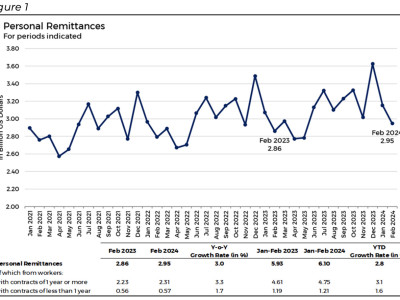
The Middle East remains a critical lifeline for the Philippine economy, with around 2.4 million Filipinos in the region and over $6.4 billion in remittances in 2025. Any disruption tied to the current geopolitical climate could ripple directly into household consumption back home.
Maya’s push underscores how private sector players are responding proactively to external shocks. Notably, this initiative, outlined in a company statement, frames digital financial tools as a frontline defense against volatility affecting cross-border income.
What they’re saying
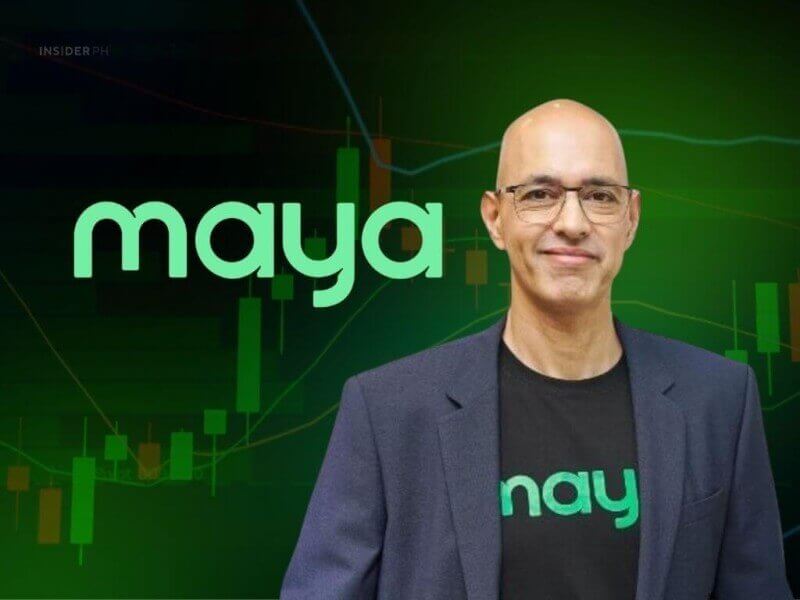
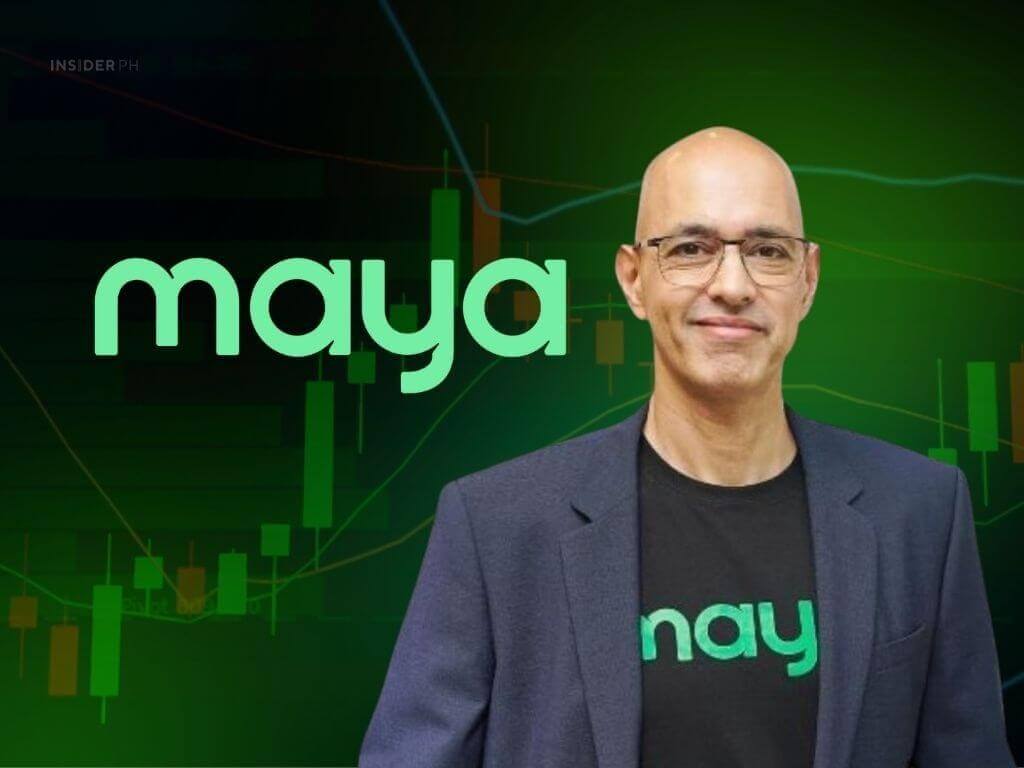
“With many overseas Filipinos in the Middle East supporting their families back home, we aim to make it easier for households to access and make the most of these remittances by reducing everyday transaction costs,” said Shailesh Baidwan, Maya Group president and Maya Bank co-founder.
How it works
Users who receive qualifying remittances are invited to activate Maya XP, unlocking rebates such as P18 per ATM withdrawal and P15 per InstaPay transfer. Additional cashback of 1 percent to 3 percent applies to mobile load purchases, helping families maintain communication with relatives abroad.
The bigger picture
As geopolitical risks intensify, remittance corridors face growing uncertainty—from potential job displacement to payment delays. Maya’s strategy reflects a broader shift in fintech toward resilience-building, ensuring that even if inflows fluctuate, Filipino households retain more value from every peso received. —Princess Daisy C. Ominga | Ed: Corrie S. Narisma