Insider Spotlight:
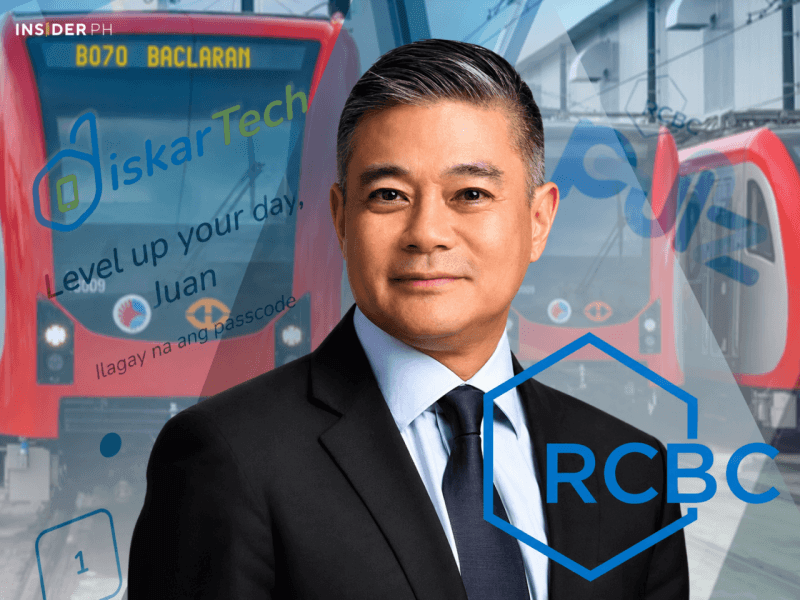
The initiative, which starts on July 13, allows commuters on Light Rail Transit Line 2 (LRT-2) to pay fares by tapping Visa or Mastercard debit, credit, or prepaid cards, using NFC-enabled mobile wallets such as Google Pay, or scanning GCash QR.
The platform was developed by RCBC in partnership with the Department of Transportation (DOTr), the Light Rail Transit Authority (LRTA), and Visa. RCBC is also introducing its PISO Fare Cashback Promo until July 31 for eligible debit and credit cardholders.

Why it matters
The bank-agnostic system allows commuters to use payment instruments issued by participating banks, electronic money issuers, and fintech providers, eliminating the need for dedicated transit cards while supporting the government's digital transformation agenda.
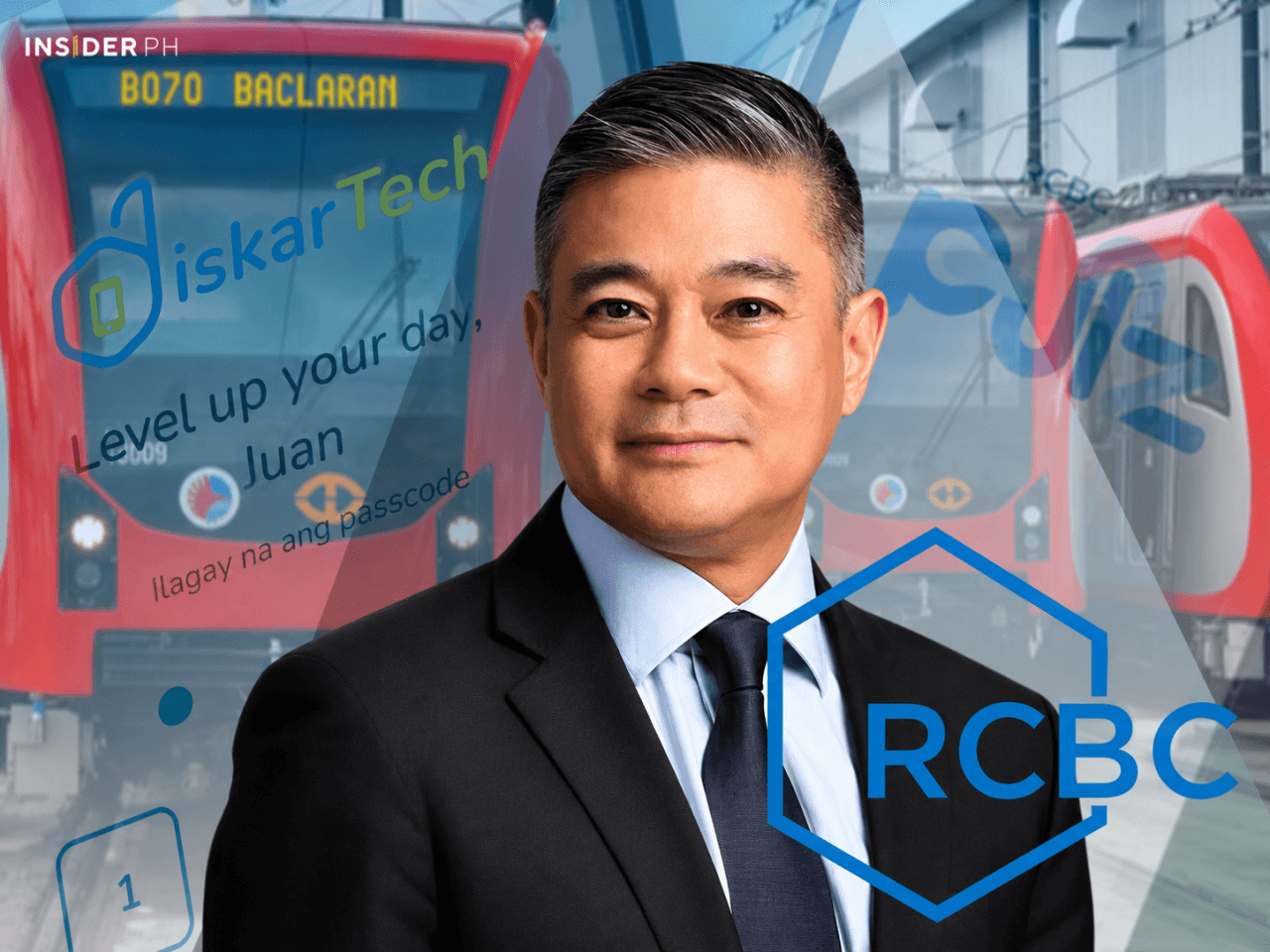
RCBC president and CEO Reggie Cariaso said in a press statement, "We are grateful for the trust and partnership of the DOTr and LRTA as we continue building accessible and future-ready digital ecosystems for Filipinos. Beyond banking, we see digital finance as an enabler of more connected, seamless, and efficient daily experiences."
The bigger picture
The LRT-2 rollout forms part of RCBC's broader digital payments strategy, which includes RCBC Pulz, RCBC DiskarTech, RCBC ATM Go, and partnerships with government agencies, global payment networks, and fintech companies aimed at expanding financial inclusion.
RCBC executive vice president and chief innovations and inclusion officer Lito Villanueva said, “This is a defining milestone in the modernization of Philippine public transportation. For the first time, commuters can seamlessly use their everyday bank cards, mobile NFC wallets, and QR payments in one interoperable transit ecosystem."
"By making commuting simpler, faster, and more inclusive, we are accelerating digital adoption, advancing financial inclusion, and bringing the Philippines closer to the digital transport systems found in leading global cities," he added.
Transportation authorities expect the platform to improve fare collection and the commuting experience for more than 58.7 million annual LRT-2 passengers while supporting the country's transition toward a digital economy. —Vanessa Hidalgo| Ed: Corrie S. Narisma