Insider Spotlight
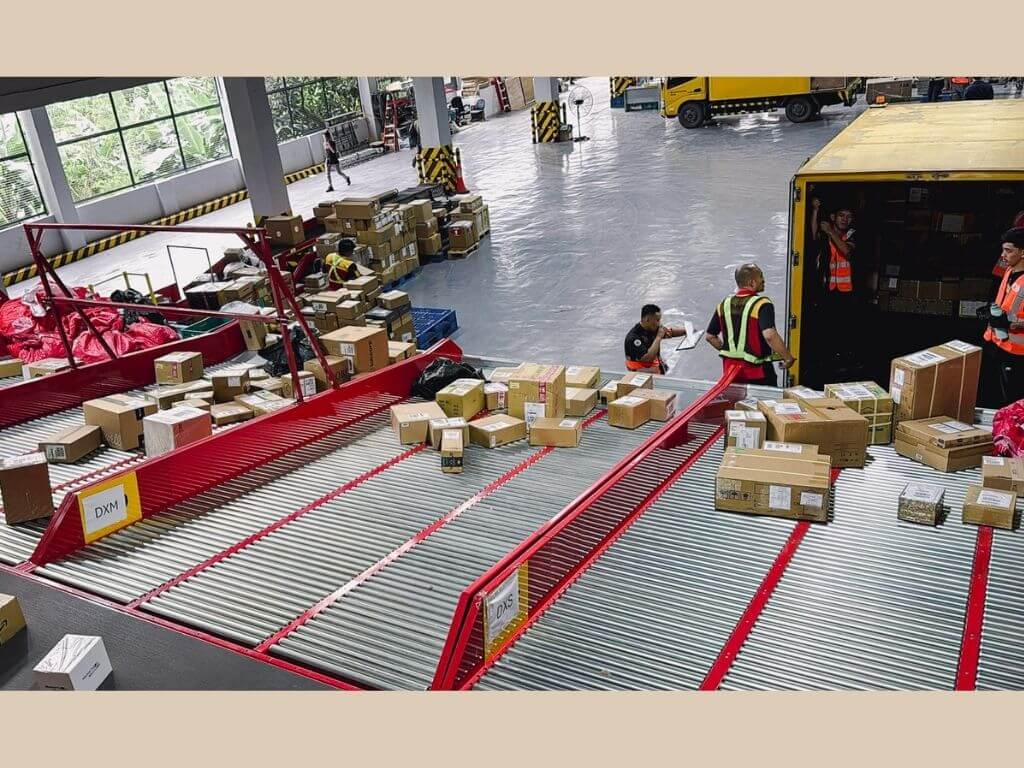
The logistics provider said the new gateway represents a €9- million investment aimed at improving shipment processing speed and strengthening the country’s connectivity to DHL’s global express network. The facility is strategically located near Manila’s international airport, one of the country’s busiest cargo hubs.
The upgraded facility can process up to 2,400 import parcels per hour and 2,000 export parcels per hour, allowing DHL to manage higher shipment volumes during peak seasons.
Why it matters
The expansion comes as logistics firms race to improve infrastructure amid sustained growth in cross-border e-commerce and export activity across Southeast Asia.
DHL said the Manila Gateway handles more than 90 percent of the Philippines’ shipping volume, serving industries such as automotive, engineering, manufacturing, and energy.
“The Philippines is one of the 20 markets which we are focusing on as they present high potential for growth,” Nigel Lockett, managing director of DHL Express Philippines, said in a press statement on May 12, 2026.
“The new Manila Gateway shows our commitment to the market. With speed and enhanced infrastructure, we are well placed to help connect Philippine businesses to the rest of the world,” Lockett added.
The company also highlighted sustainability features in the new site, including full LED lighting systems and energy-efficient material handling equipment aligned with DHL Express’ environmental targets.
The bigger picture
DHL cited findings from the DHL Global Connectedness Report 2026, which showed the Philippines ranked 59th among 180 economies globally in overall connectedness and 27th in breadth of international trade relationships.
The report noted that the country maintains strong trade ties with the United States, China, Japan, and other Asia-Pacific markets despite continued geopolitical and economic uncertainty.
By increasing gateway capacity and processing efficiency, DHL said the investment would help strengthen export-driven industries, support cross-border e-commerce, and improve competitiveness for Philippine businesses operating in global markets. —Vanessa Hidalgo| Ed: Corrie S. Narisma