Insider Spotlight
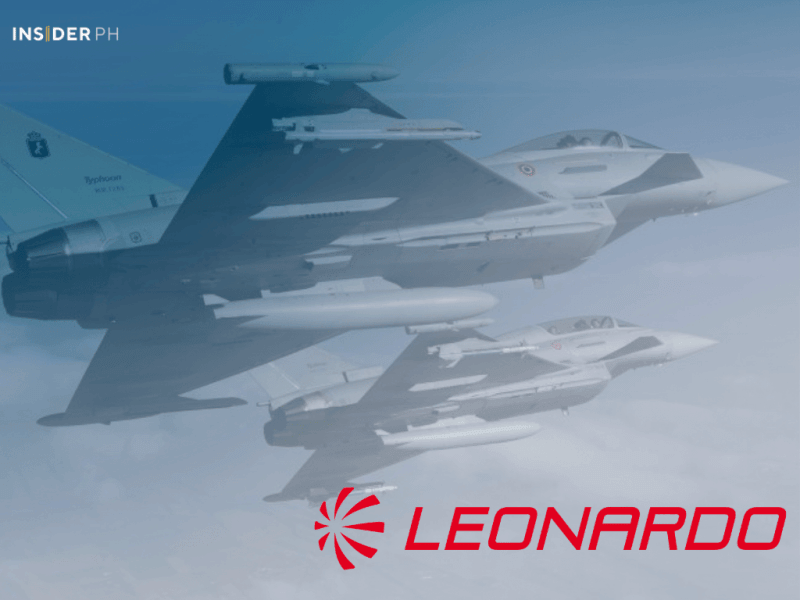
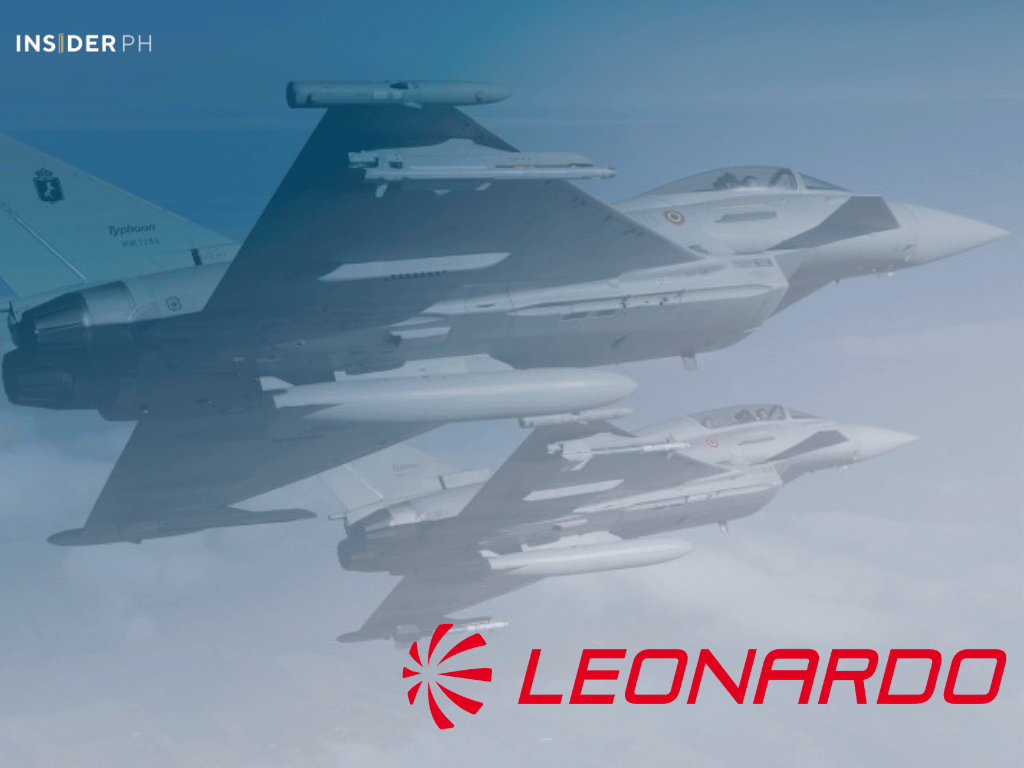
For Manila, the decision on a future combat aircraft is not only about air defense. It is also about whether a major defense purchase can help build local aerospace skills, create high-value jobs, and support long-term industrial capability, Leonardo Aeronautics said in a statement.
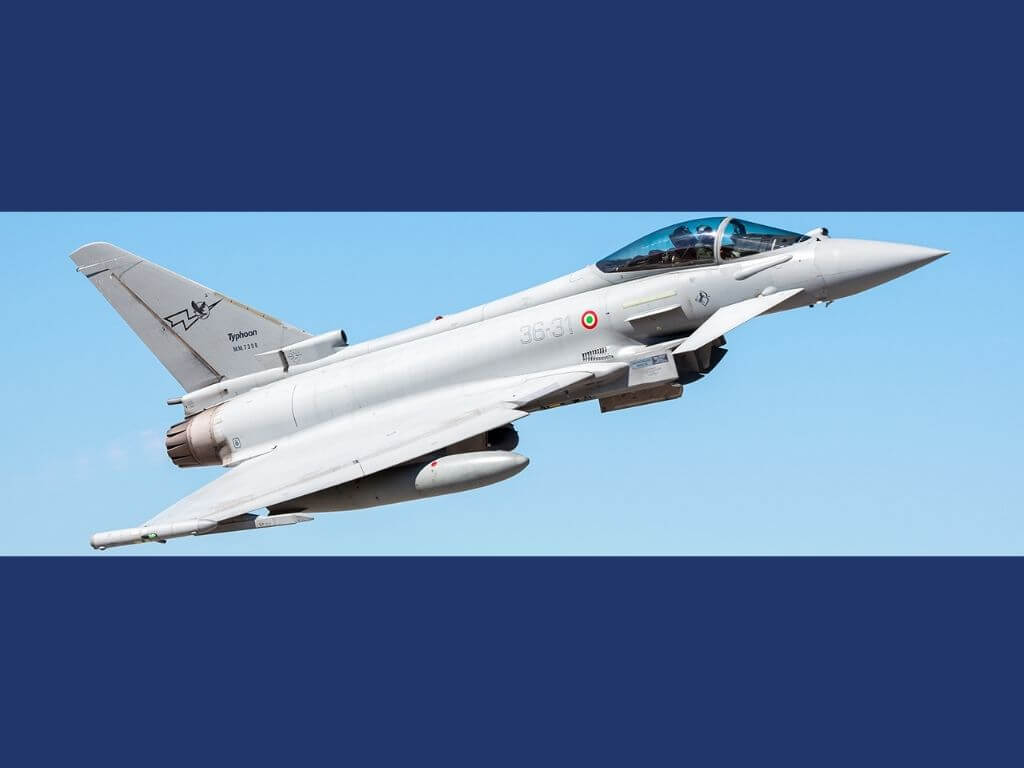
The Eurofighter program, which includes Leonardo and other European aerospace partners, is positioning the Typhoon as a platform backed by more than 20 years of operational experience across partner air forces.
By the numbers
The aircraft has surpassed one million flying hours without one single critical failure, a milestone its backers said demonstrates operational maturity, reliability, mission readiness, and supply chain stability.
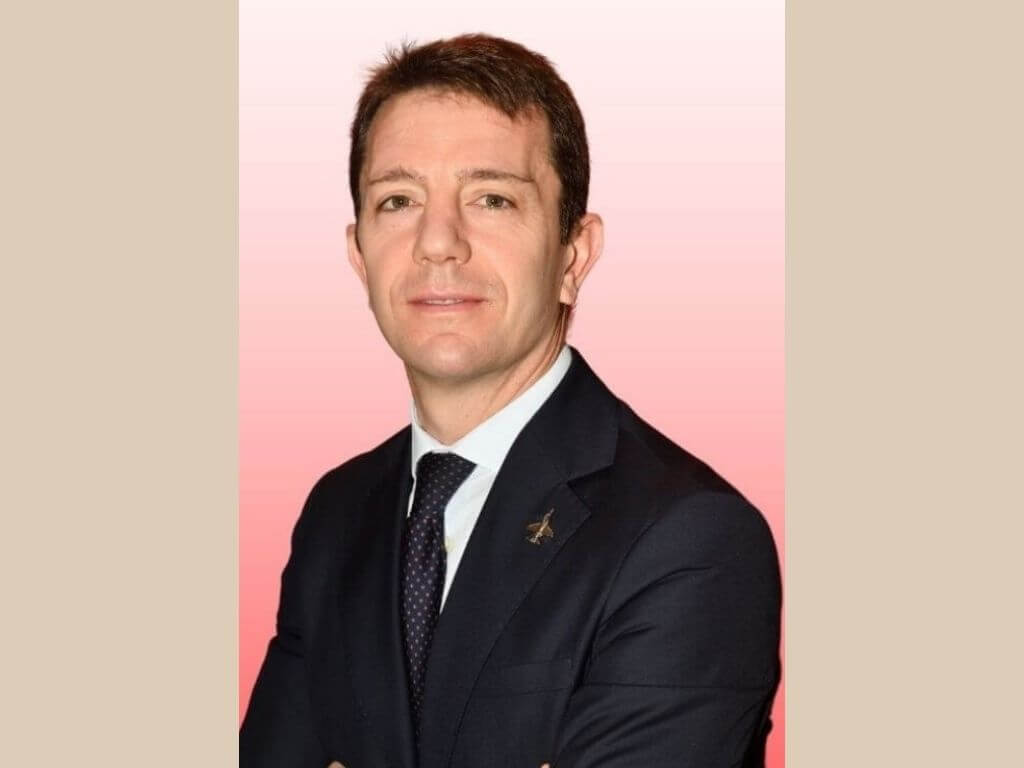
“Surpassing one million flying hours, without one single critical failure, demonstrates the Eurofighter’s operational maturity and sustained performance across multiple air forces. This milestone reflects decades of real-world experience, highlighting the platform’s reliability, mission readiness, and stable supply chain,” Tommaso Pani, Leonardo Aeronautics Division’s senior vice president for marketing and sales, said in the statement.
For governments evaluating new fighters, that record is being presented as a signal of predictable long-term performance.
The business case
Eurofighter’s supporters said the Philippines could benefit from training, maintenance, repair, and engineering activities performed locally.
That would mean more than sustainment work. It could create skilled roles in engineering, software, electronics, maintenance, advanced manufacturing, and mission-support services.
“Because the program is managed by a multinational consortium, its export model supports industrial collaboration and arrangements that help partner nations develop local aerospace support capabilities … And at the same time, to gain data that will allow the development of technologies needed for the further development of the entire Eurofighter program,” Pani added.
Zoom in
A key part of the pitch is mission data sovereignty.
Many high-end fighters are described by industry players as “black boxes,” where users have limited access to mission software. The Eurofighter consortium says its partnership model allows nations to manage their own mission data, including the ability to detect, locate, analyze and identify threats, and update defensive libraries in hours, not months.
What’s next
If structured as a long-term capability partnership, a Typhoon deal could support local supplier development, workforce training, technology transfer, and integration into global aerospace supply chains.
That would allow defense spending to contribute not only to national security, but also to domestic industrial growth.
“Defense partnerships can contribute not only to security, but also to industrial development and high-value jobs when they are structured as long-term capability partnerships rather than simple procurement deals. Including technology transfer, local maintenance and upgrade work, supplier development, and workforce training … That creates skilled jobs in areas like engineering, software, electronics, and advanced manufacturing,” Pani said
The bottom line
For the Philippines, the core question is not only which fighter is most capable, but which system delivers reliable performance, affordable sustainment, upgrade potential, interoperability, and the strongest economic return over decades. —Vanessa Hidalgo | Ed: Corrie S. Narisma