The showcase offered Philippine dealers, banking partners, and prospective buyers an early look at how Geely plans to bridge today’s practical transportation needs with tomorrow’s connected and electrified driving experience.
Central to that vision are hybrid systems that do not rely on charging infrastructure, AI-assisted driving technologies certified for international markets, and EVs spanning multiple vehicle segments.
Why it matters
Philippine dealer principals and banking executives from Geely Motor Philippines were among the global partners who attended the presentations, giving them a firsthand look at the technologies and product pipeline supporting the brand’s local growth.
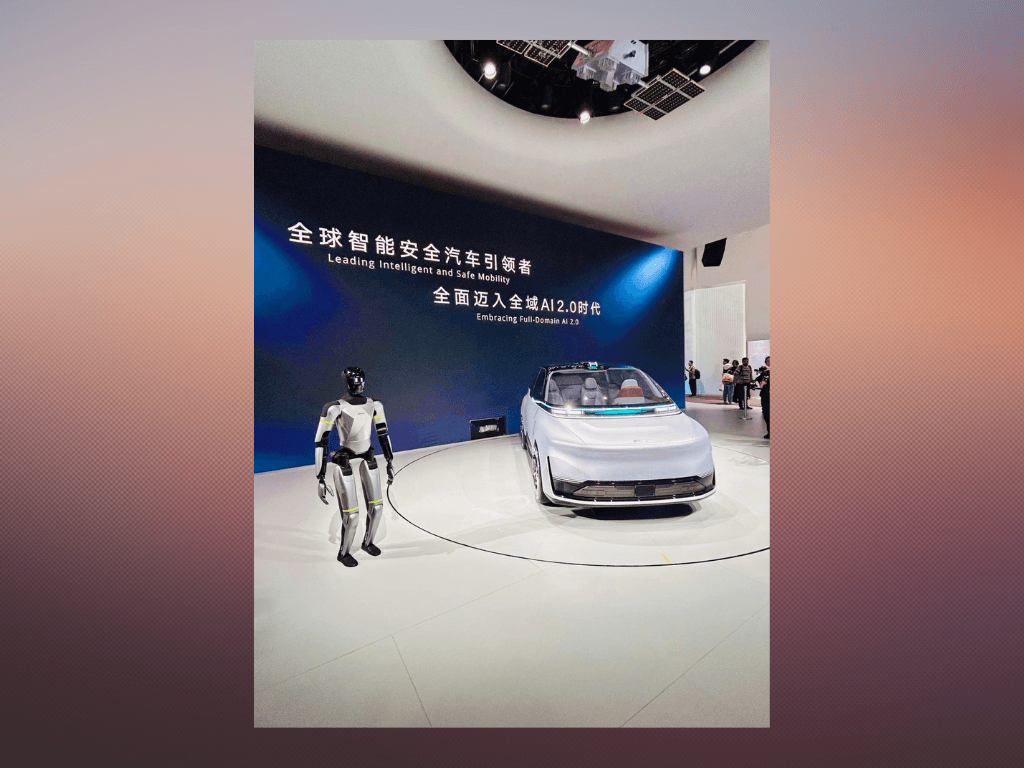
The Beijing International Automotive Exhibition, one of the world’s largest auto shows, served as the venue for Geely’s broadest technology showcase to date. At Hall A1, the company presented developments across intelligent mobility, electrification, hybrid efficiency, and next-generation driving systems under its One Geely strategy.
“With comprehensive efforts put on our R&D systems, leading technologies, and product portfolio, we are fully committed to winning the market and future together with global partners,” said Chuanhai Li, vice president of Geely Auto Group and president of the Geely Research Institute, in a statement.
The big picture
Two technologies stood out: the Eva Cab Robotaxi prototype and Geely’s i-HEV Intelligent Hybrid Electric Vehicle powertrain.
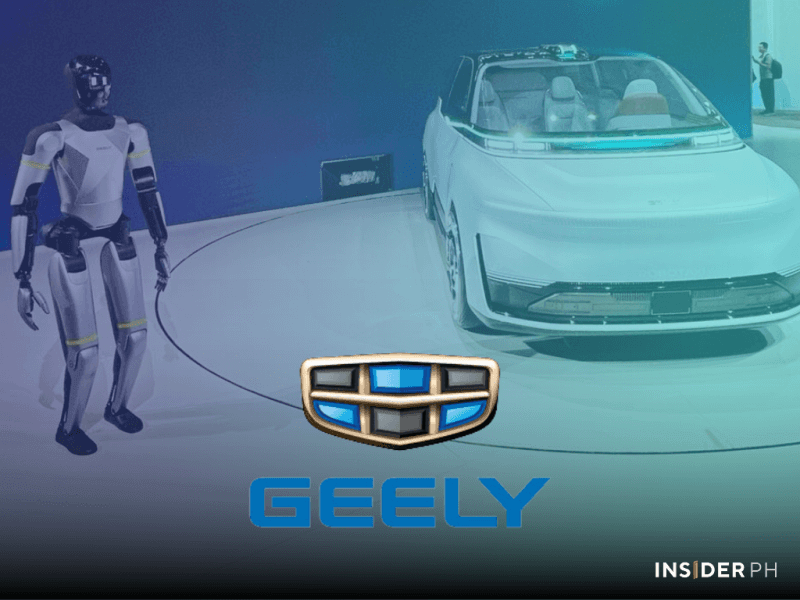
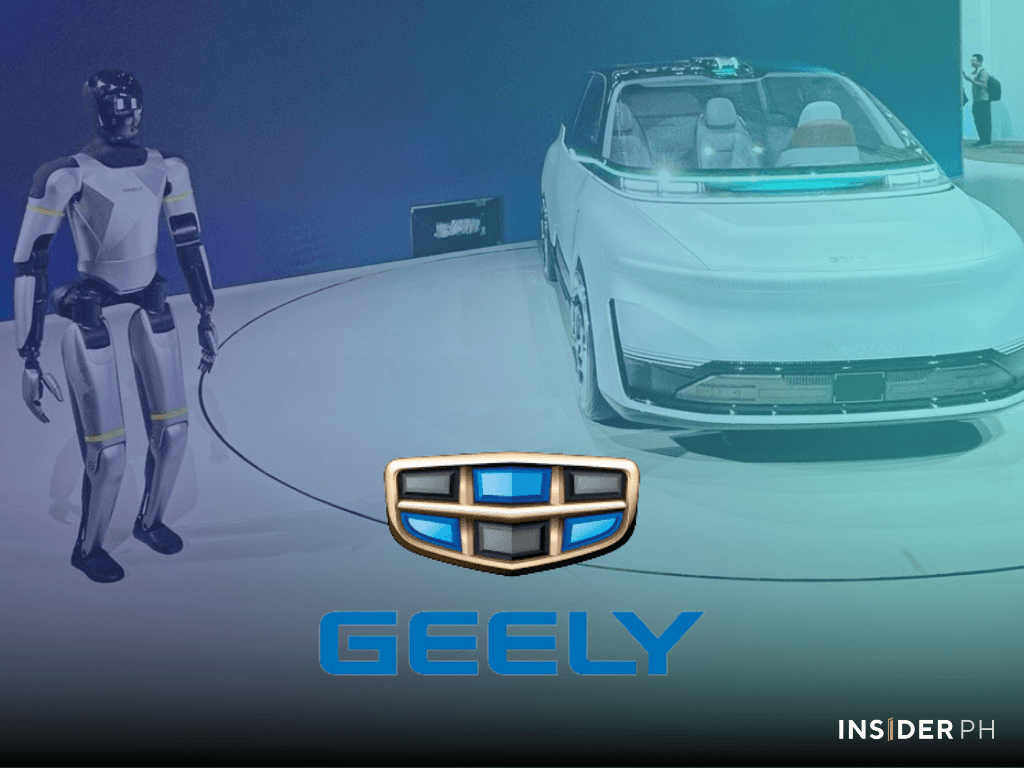
Geely describes the Eva Cab as China’s first natively developed, purpose-built autonomous Robotaxi prototype. Unlike test vehicles adapted from existing production cars, the Eva Cab was designed specifically for driverless commercial operations.
The prototype is built on Geely’s L4-level AI digital architecture and runs the company’s G-ASD intelligent driving system.
Geely said in a statement that the system became the first Chinese-developed driver assistance technology to receive European regulatory certification under the UN R171 standard earlier this year.
A version of the Eva Cab customized for Geely’s ride-hailing subsidiary Cao Cao Mobility is targeted for mass production in 2027.
What’s practical
The i-HEV hybrid system may be especially relevant to markets such as the Philippines, where charging infrastructure is still developing.
The self-charging system does not require external charging. Instead, it replenishes the battery while driving through the engine and regenerative braking.
Geely said the i-HEV system achieves 48.41 percent thermal efficiency, which the company says was independently verified. In a Guinness World Record-verified test, the system recorded fuel consumption of 2.22 liters per 100 kilometers.
When applied to the Geely Preface sedan, the system delivers WLTC-rated real-world fuel consumption of 3.98 liters per 100 kilometers. The technology is already in mass production.
Auto China 2026 also featured several models from across the Geely group. Zeekr presented the 009 flagship intelligent electric MPV, Lynk & Co introduced the 10 EV, and Geely Galaxy showed its concept direction for intelligent electric vehicles.
The bottom line
For Geely Motor Philippines and its partners, Auto China 2026 was more than a product preview. It offered a closer look at the R&D, technology, and future models that could shape the brand’s next phase in the Philippine market. —Ed: Corrie S. Narisma