Insider Spotlight
The Philippine transport sector remains a major contributor to greenhouse gas emissions, while road conditions, income levels, and charging access vary widely across regions. Toyota’s view is that relying on just one powertrain risks excluding large parts of the market.
The big picture
Toyota’s multi-pathway approach is built on the idea that gasoline, diesel, hybrid electric, and battery electric vehicles can coexist, giving consumers options that fit their lifestyle, location, and usage patterns. The company says this mix is more realistic for an emerging market where infrastructure readiness is uneven.
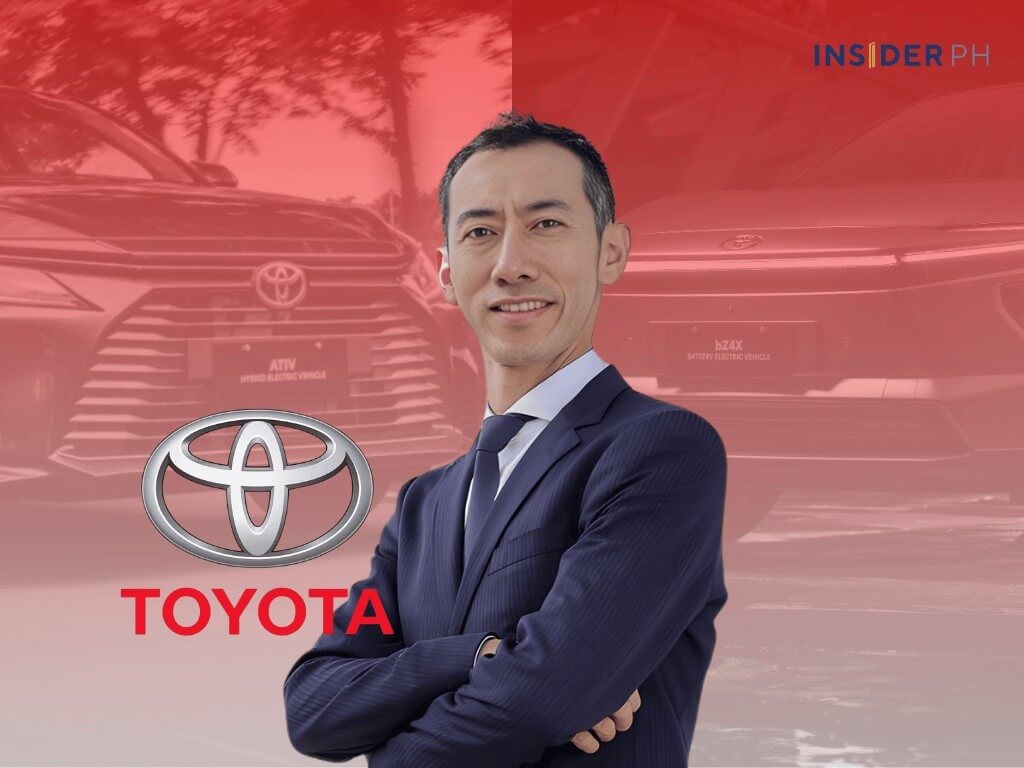
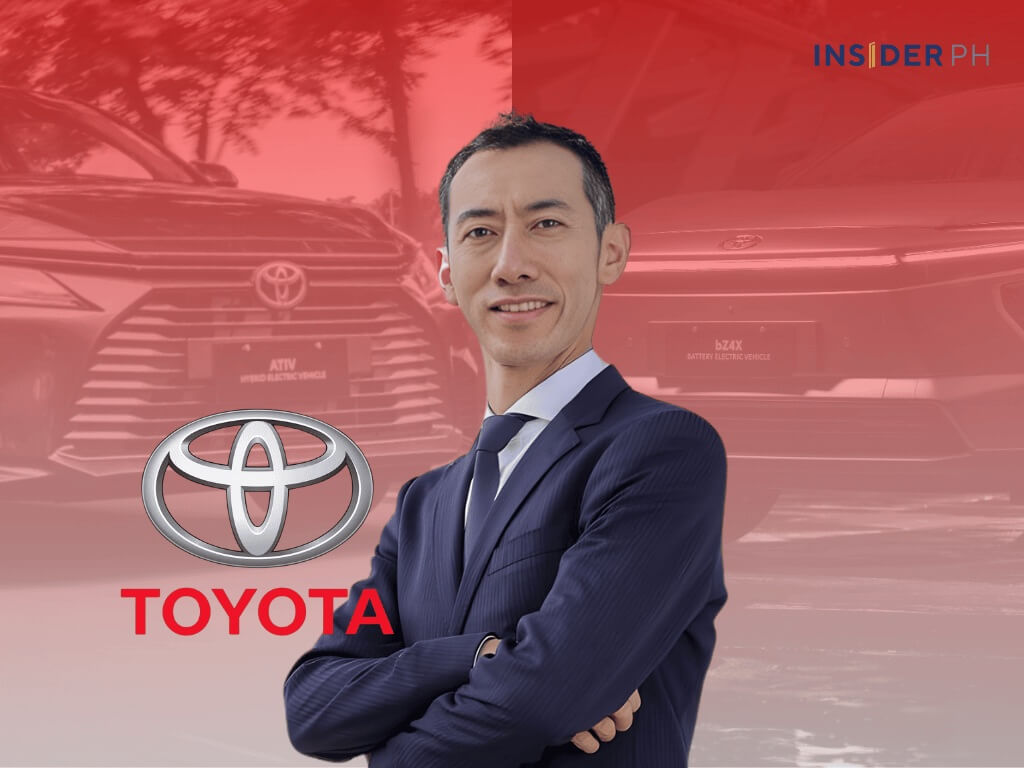
“Toyota Motor Philippines fully supports the Philippine government's carbon reduction goals, which aims to reduce greenhouse gas emissions by 75 percent by 2030,” Masando Hashimoto, president of TMP, said in a press release.
“Today, Philippine customers can choose from four vehicle types—gasoline, diesel, hybrid electric, and battery electric—to be their mobility partner, according to their lifestyle and location.”
What’s new
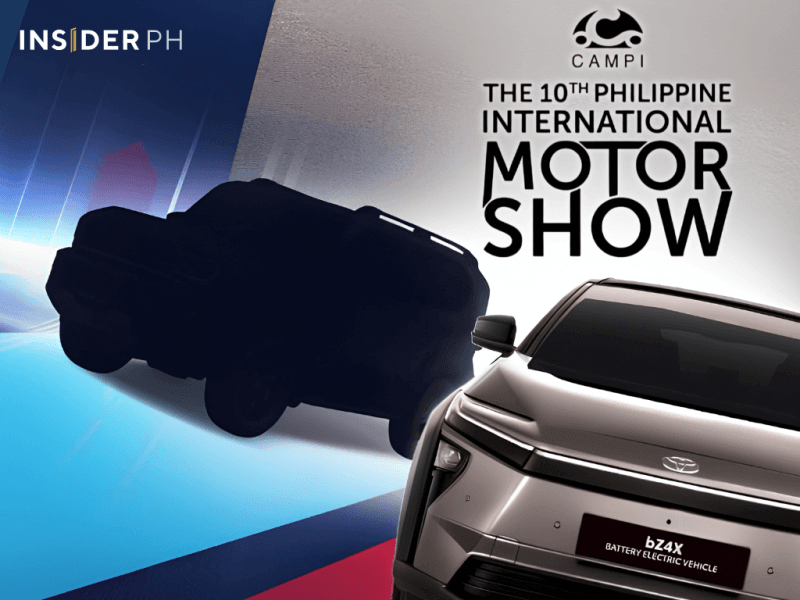
TMP recently rolled out the ATIV Hybrid Electric Vehicle, now the most affordable electrified model in Toyota’s local lineup, and confirmed the availability of its first Toyota-branded battery electric vehicle, the bZ4X.
The move expands electrification beyond Lexus and into the mass-market Toyota brand.
Between the lines
Hybrid electric vehicles remain the cornerstone of Toyota’s local strategy. Because they are self-charging and do not rely on public charging stations, hybrids are positioned as the most viable electrified option for everyday Philippine driving, especially outside major urban centers.
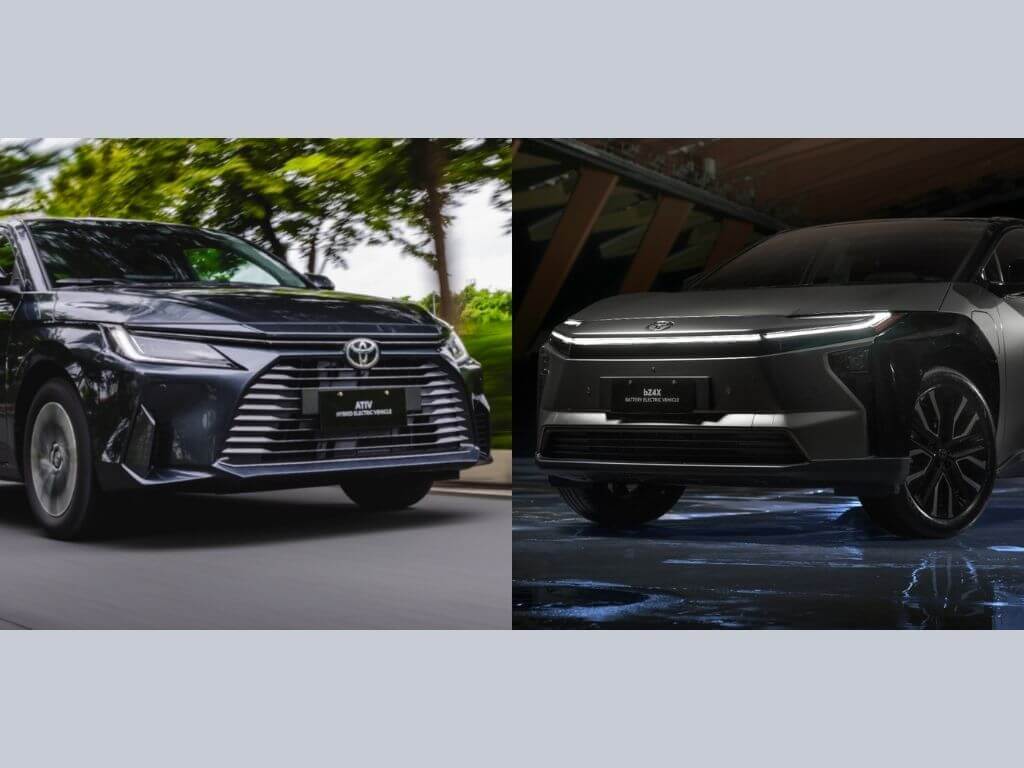
Battery electric vehicles, meanwhile, are targeted at customers with access to charging infrastructure. TMP has already installed charging stations at select dealerships in Metro Manila and Metro Cebu and plans to expand coverage nationwide.
Zoom out
Toyota’s local push aligns with regional goals set by Toyota Motor Asia, which is targeting a significant increase in electrified vehicle sales across Southeast Asia by the end of the decade.
Locally, electrified vehicle adoption is accelerating, with government data pointing to sharp year-on-year growth in new registrations.
The bottom line
Rather than forcing a rapid shift to full electrification, Toyota is positioning its multi-pathway strategy as a pragmatic bridge toward cleaner mobility, one that reflects current realities while supporting the country’s long-term climate transition. —Vanessa Hidalgo | Ed: Corrie S. Narisma