Amid these challenges, property developer Ayala Land Inc. said it is strengthening mobility systems across its estates, integrating transport hubs, point-to-point (P2P) terminals, and walkable infrastructure to make commuting more efficient and accessible.
Integrated planning
Ayala Land said mobility has long been embedded in its estate development strategy, with masterplanned communities designed to reduce travel distances and improve access to key destinations.
Its estates combine residential, commercial, office, and institutional spaces in a single area, supporting what it describes as a “closer-to-home” lifestyle.
“Integrated transportation and mobility planning has long been part of Ayala Land’s estate development approach, helping make movement within and beyond its communities more efficient, seamless, and people-centered,” the company said.
Transport hubs
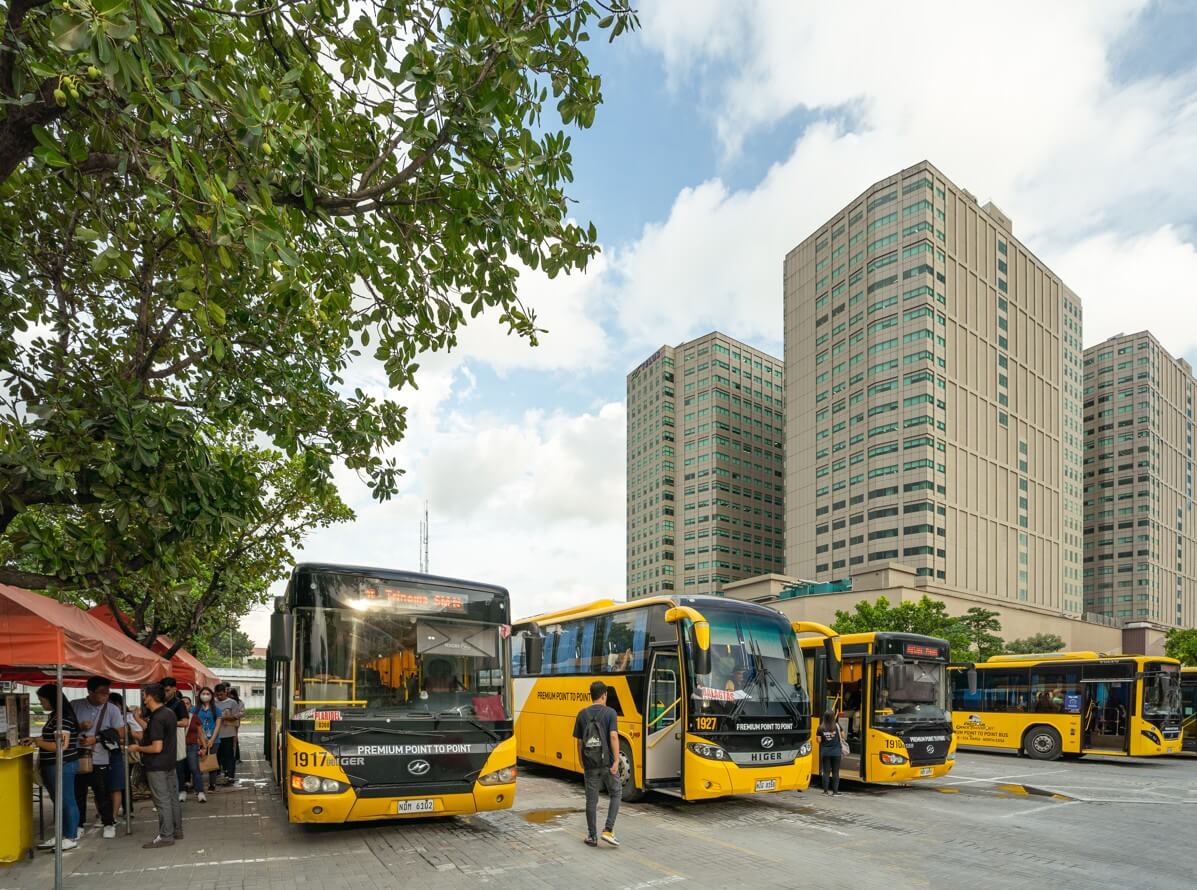
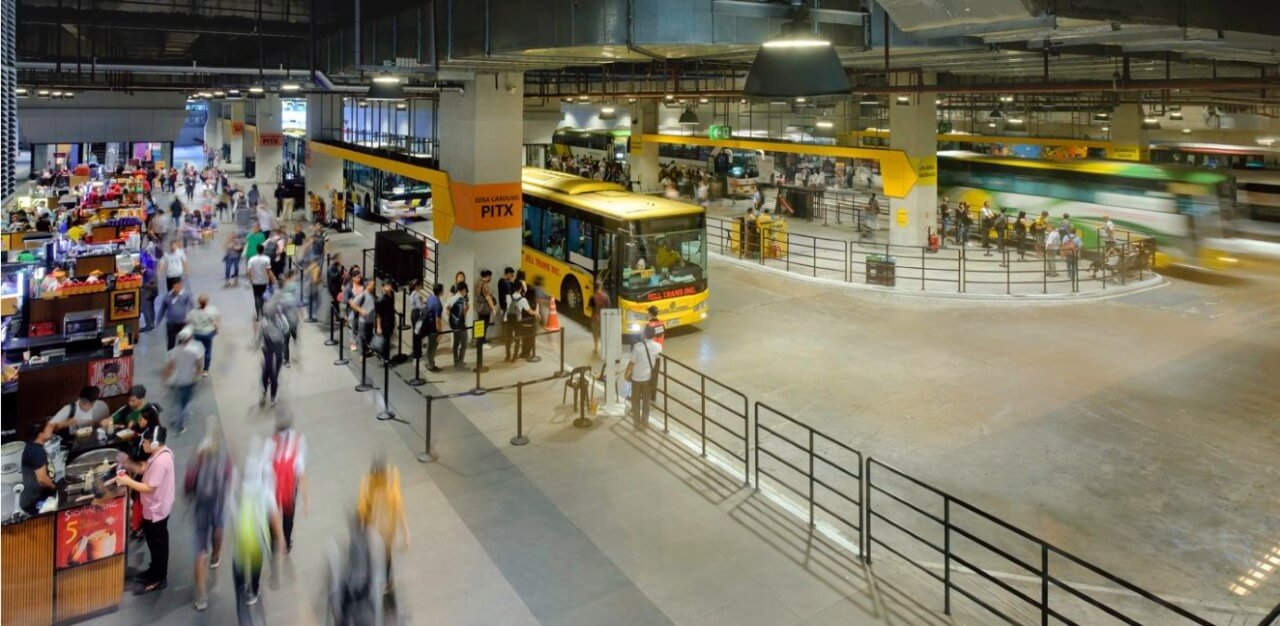
Across its flagship developments, Ayala Land has built transport hubs and P2P terminals aimed at improving connectivity within and beyond its estates.
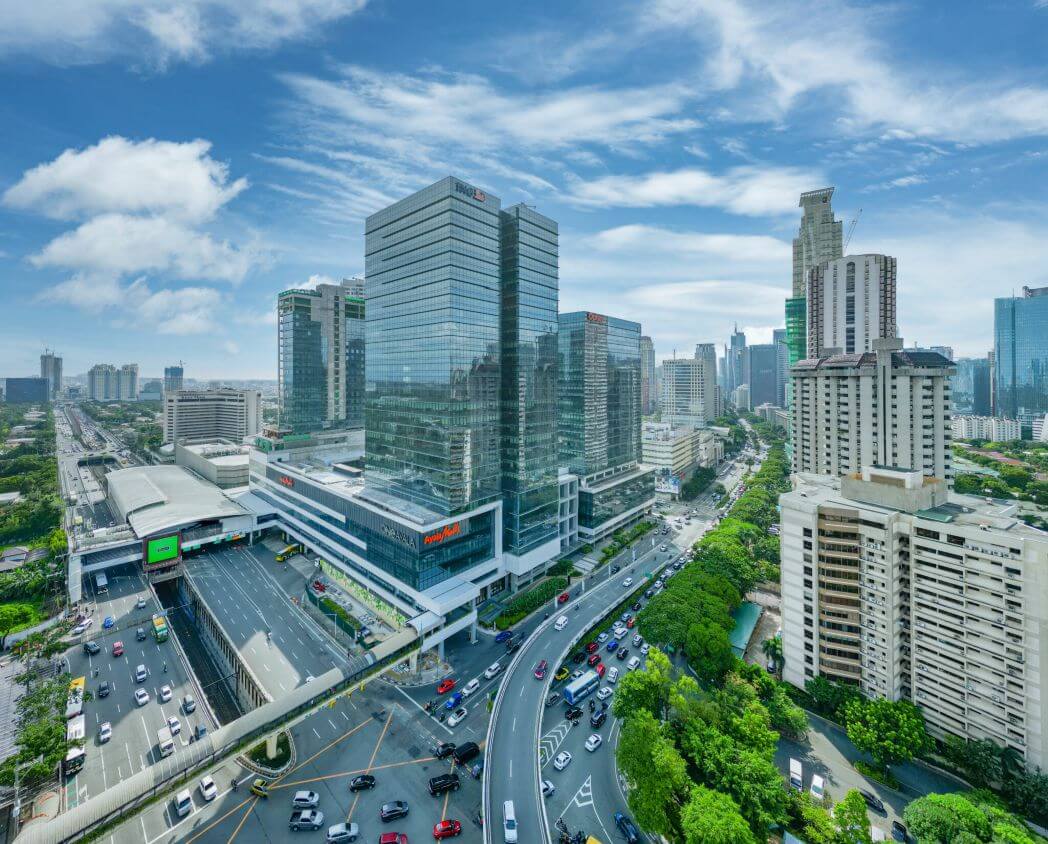
In Makati Central Business District, the One Ayala Transport Terminal serves as a major hub linking commuters to various parts of Metro Manila, supported by organized loading zones and P2P services that offer more predictable travel options.
Circuit Makati, meanwhile, integrates transport facilities that serve both workers and visitors, particularly during events and peak activity periods in the arts and entertainment district.
Regional links
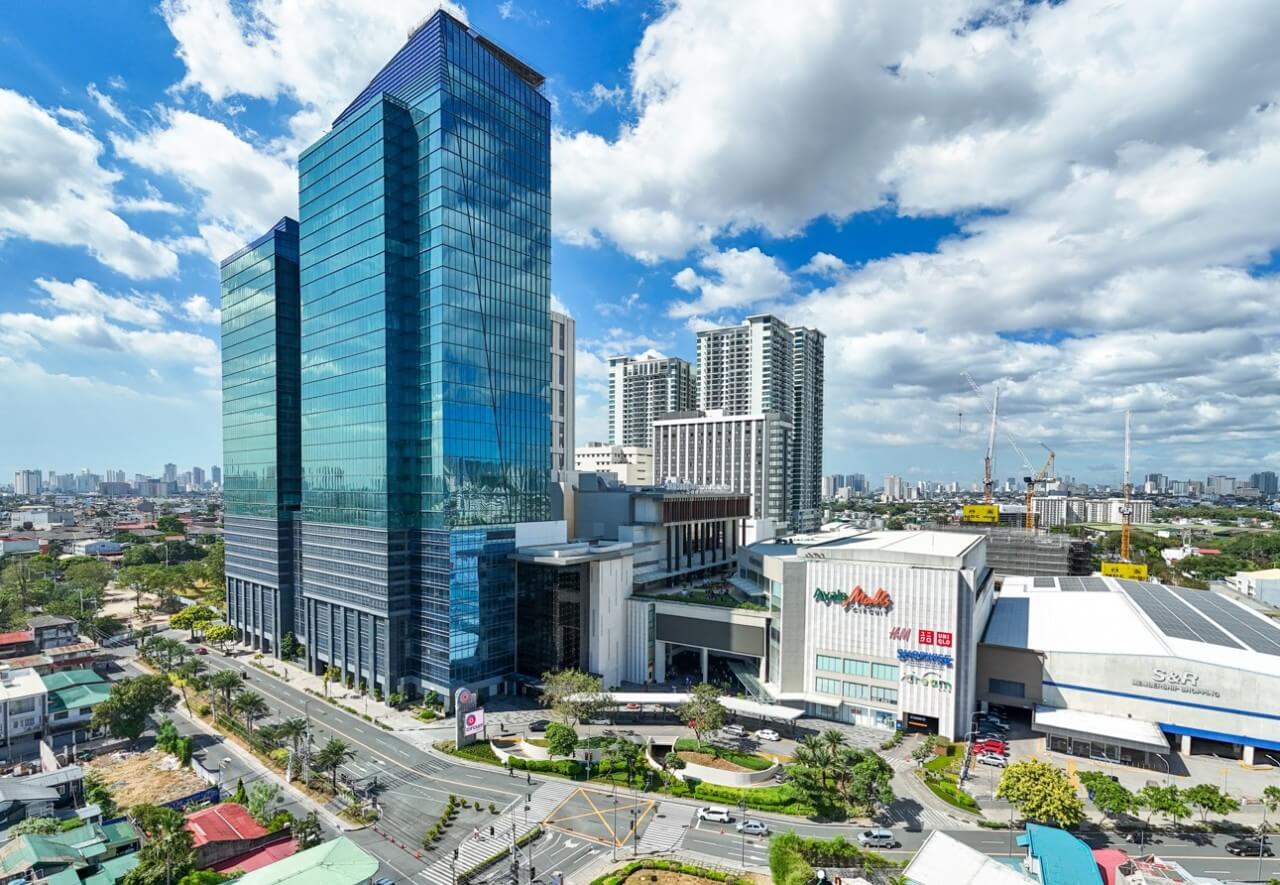
In Quezon City, Vertis North serves as a gateway to northern Metro Manila, with connectivity anchored on transport services at Trinoma and its proximity to the future MRT-3 and MRT-7 link.
Further south, South Park District in Alabang incorporates transport facilities within Ayala Malls South Park, improving daily mobility within Muntinlupa and linking commuters to other business centers.
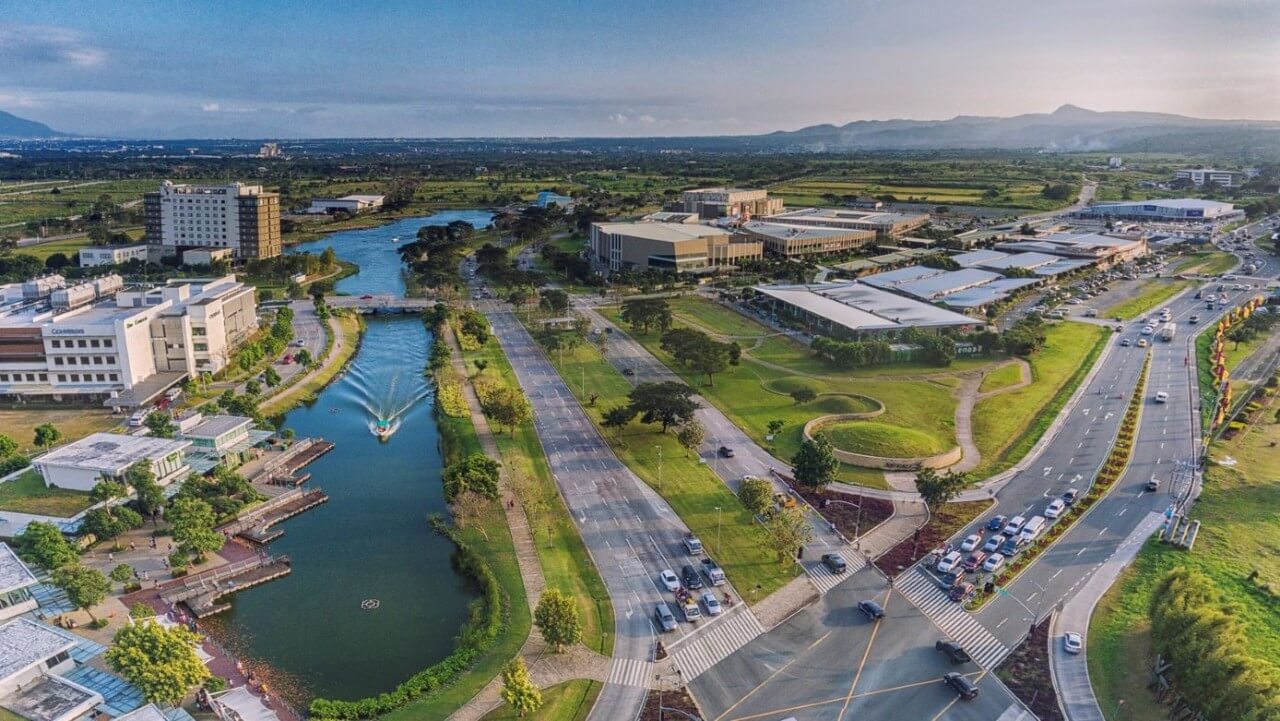
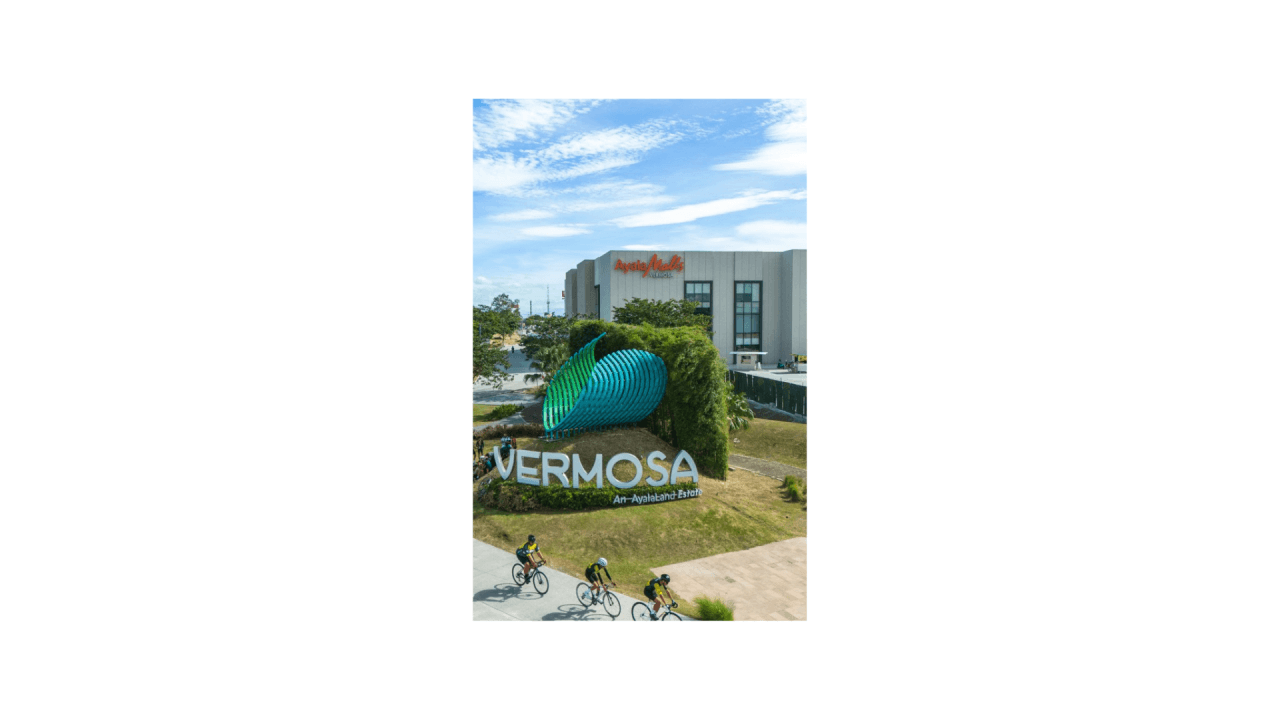
Outside Metro Manila, Ayala Land continues to expand mobility networks in growth areas such as Nuvali in Laguna and Vermosa in Cavite.
Nuvali, positioned as an eco-city, features transport hubs and P2P services connecting residents to Metro Manila and nearby provinces, while Vermosa integrates regional transport links to improve access to jobs and services.
In the Visayas, Cebu Business Park and Cebu IT Park function as major employment hubs, supported by organized transport systems that accommodate thousands of daily commuters.
First, last mile
Ayala Land said these transport hubs help address one of the most persistent challenges for commuters—the “first and last mile.”
By placing terminals within walking distance of offices, homes, and commercial centers, the company aims to reduce travel friction and improve reliability.
Walkable design
Beyond transport services, the developer emphasized walkability as a key component of mobility.
Its estates feature wide sidewalks, shaded pathways, pedestrian crossings, and traffic-calming measures designed to make movement on foot safer and more convenient.
Bike-friendly infrastructure is also integrated into several estates, offering alternative options for short-distance travel.
Economic access
Efficient mobility systems also play a role in supporting livelihoods, Ayala Land said.
Transport hubs and P2P services help expand access to jobs, education, and essential services, while creating spaces that support retail activity, transport operators, and small businesses.
These systems also improve commuting conditions for workers by offering more organized and reliable transport options.
Sustainable growth
Ayala Land said its mobility initiatives contribute to sustainability by encouraging the use of public transport, walking, and cycling—helping reduce congestion and carbon emissions.
Decentralized estates such as Nuvali, Vertis North, and Vermosa are also designed to distribute economic activity beyond Metro Manila, supporting more balanced urban growth.
Daily impact
For many Filipinos, the benefits of improved mobility are felt in everyday routines—from shorter travel times to more predictable commutes.
By integrating transport systems into its estates, Ayala Land said it aims to make mobility not just a necessity, but a contributor to better quality of life. —Ed: Corrie S. Narisma