Insider Spotlight
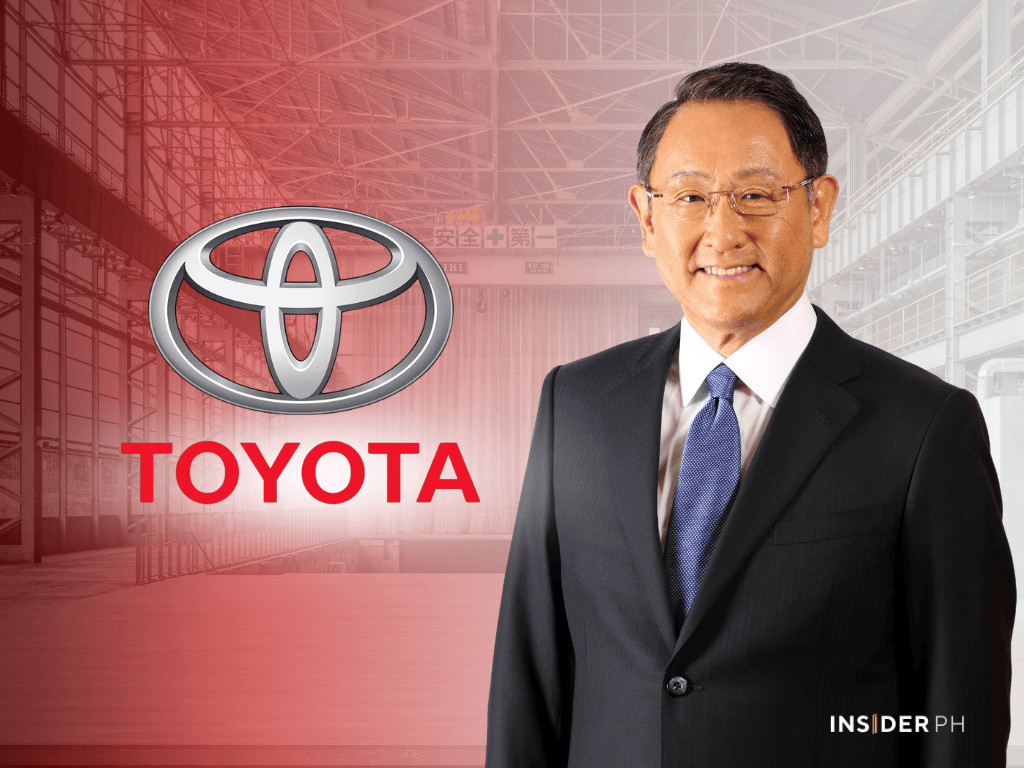
The announcement centers on the rollout of the Woven City AI Vision Engine in Shizuoka, Japan. It is a large-scale foundation model capable of interpreting real-world environments in real time using visual, behavioral, and environmental data.
Why it matters
Toyota is positioning AI not as a standalone tool but as an integrated layer across infrastructure, mobility, and human interaction. The approach reflects its “Kakezan” philosophy—multiplying impact by combining strengths across industries.
The AI Vision Engine already ranks among leading Vision Language Models and is being tested in live environments, including a proof-of-concept with UCC Japan.
The bigger system
Complementing the engine is the Integrated ANZEN System, which merges multiple AI capabilities into a coordinated safety platform.
The result is a synchronized ecosystem where infrastructure, vehicles, and people operate as one system.
Zoom in
Toyota also introduced two data-layer technologies:
These platforms aim to solve a critical bottleneck in smart city scaling—secure and interoperable data sharing.

Innovation pipeline expands
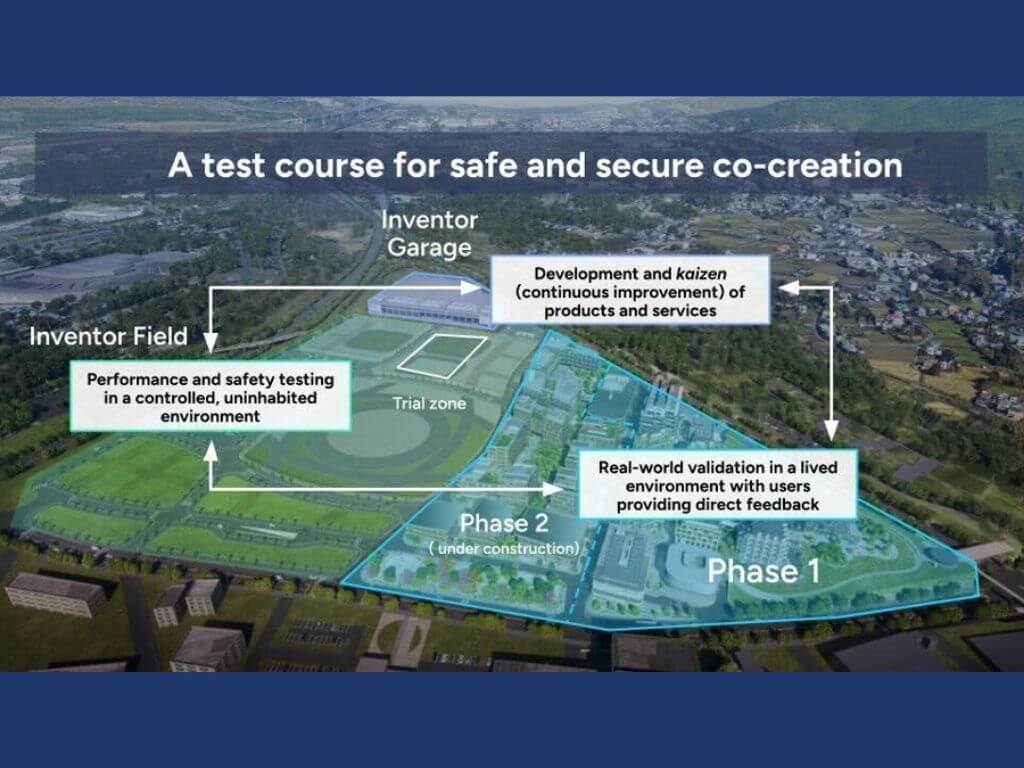
The newly launched Inventor Garage serves as a physical hub for prototyping and testing, completing a three-stage loop from development to real-world deployment.
The facility repurposes a former manufacturing plant, blending Toyota’s monozukuri heritage with next-generation software-driven innovation.
Ecosystem growth
Four new companies joined as inventors:
Their focus ranges from robotics and air mobility to fintech and entertainment.
Bottom line
Toyota is transforming Woven City into a live testing ground for AI-driven society, betting that tightly integrated systems—not isolated technologies—will define the next wave of mobility and urban innovation. -—Vanessa Hidalgo | Ed: Corrie S. Narisma