Program figures showed that the three facilities served a combined 3,990 children over six years.
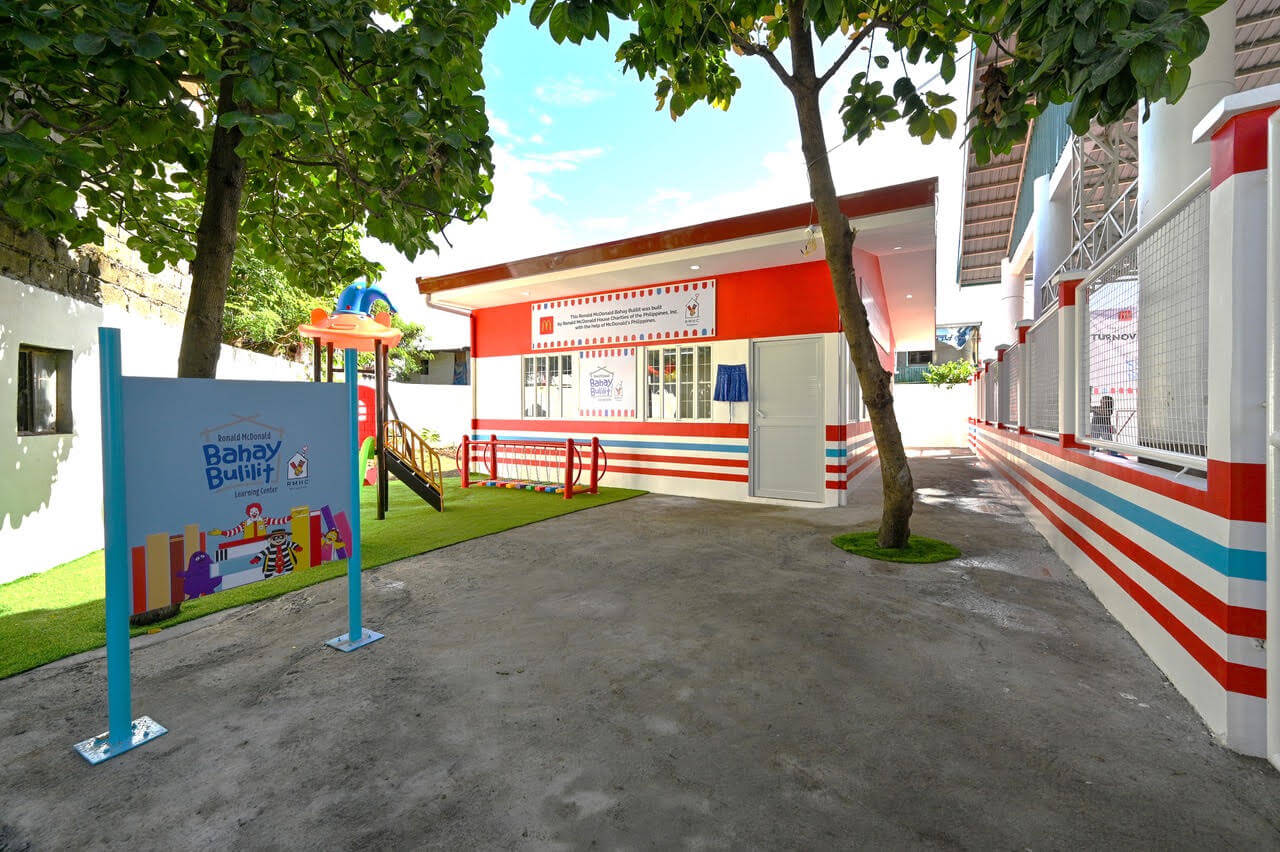
The first two centers, located at Labangon Elementary School in Barangay Labangon, Cebu City, and the SDC Compound along Burgos Street in Barangay Centro, Mandaue City, benefited 140 children in 2018.
The number of beneficiaries rose to 350 in 2019 following the opening of a third center in Lapu-Lapu City.
Access to early-childhood education
The three facilities served 560 children in 2023, 770 in 2024 and 980 in 2025. The number rose further to 1,190 in 2026, the highest annual total recorded by the program.
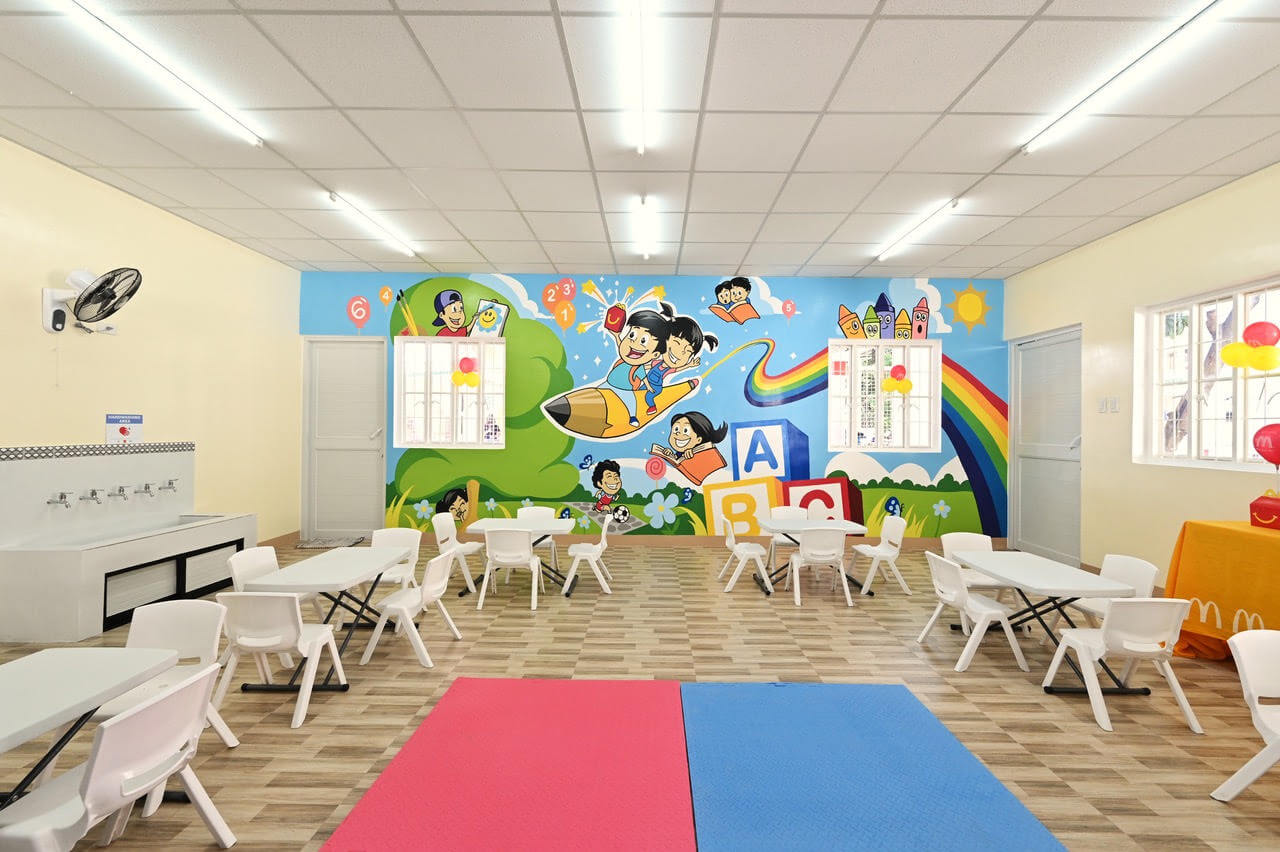
Bahay Bulilit provides children with access to early childhood education and a safe environment where they can learn, play and develop basic skills in preparation for formal schooling.
Lessons and activities are facilitated by accredited social workers and community volunteers.
McDonald’s Philippines managing director Margot B. Torres said the Bahay Bulilit Learning Center is one of the company’s flagship programs because it helped address gaps in early childhood care and development.
Early childhood development is considered critical because 90 percent of brain development occurs before age 5. Beyond that age, developmental gaps become increasingly difficult to address.
However, the Department of Education (DepEd) does not operate daycare centers, even as the country faces a shortage of about 33,000 such facilities. Only about 19 percent of children have attended a daycare center.
To help address the gap, the RMHC has been building daycare centers in underserved communities in partnership with DepEd and the local government units.
Partnership
There are currently 53 active Bahay Bulilit Learning Centers nationwide, benefiting more than 100,000 children since 2002.
Under the partnership, the company builds the daycare center, while the local government unit (LGU) operates it through its social welfare and development office, which provides trained personnel to care for and work with young children.
Torres said RMHC can partner with any LGU that can provide land for the daycare center and commit to operating the facility.
She added that proximity to a McDonald’s restaurant would be an advantage, as it would allow the company to regularly monitor the center and identify any repairs or maintenance work needed.
Advocacy
Torres said McDonald’s advocacy extends beyond early childhood care and development to education in general, noting that McDonald’s Philippines founder and chair Dr. George T. Yang brought the brand to the country 45 years ago with the goal of creating opportunities for young people.
“At the moment, we have an employee base of 75,000. The crew in the store, 70 percent are working students. Because we offer flexible work arrangements, they are able to earn money and earn a degree at the same time. So, that has really been the mission of Dr. George Yang, to make sure they get an educational degree,” Torres said.
Dr. Yang is chair of RMHC, while his son, Kenneth Yang, who is McDonald’s Philippines president and CEO, is the charity’s president. Both hold the McDonald’s master franchise in the Philippines, and have made the brand a formidable player in the country’s quick-service restaurant industry.
Since the first store was opened in 1981, McDonald’s Philippines has grown a network of 862 stores nationwide.
Torres said early childhood care development is part of the education advocacy of the company.
Upcycling
When McDonald’s renovates a restaurant to adopt a new design, it partners with JunkNot to repurpose old chairs and tables for use in public schools instead of storing or discarding them.
JunkNot is a Filipino social enterprise that upcycles plastic waste into furniture and other functional products while providing livelihood opportunities to local communities.
The company is based in Biñan, Laguna.
Torres said they have donated repurposed furniture to public schools in Isabela, Ozamiz, Laguna and Cebu. —Ed: Corrie S. Narisma
Contributor