Insider Spotlight
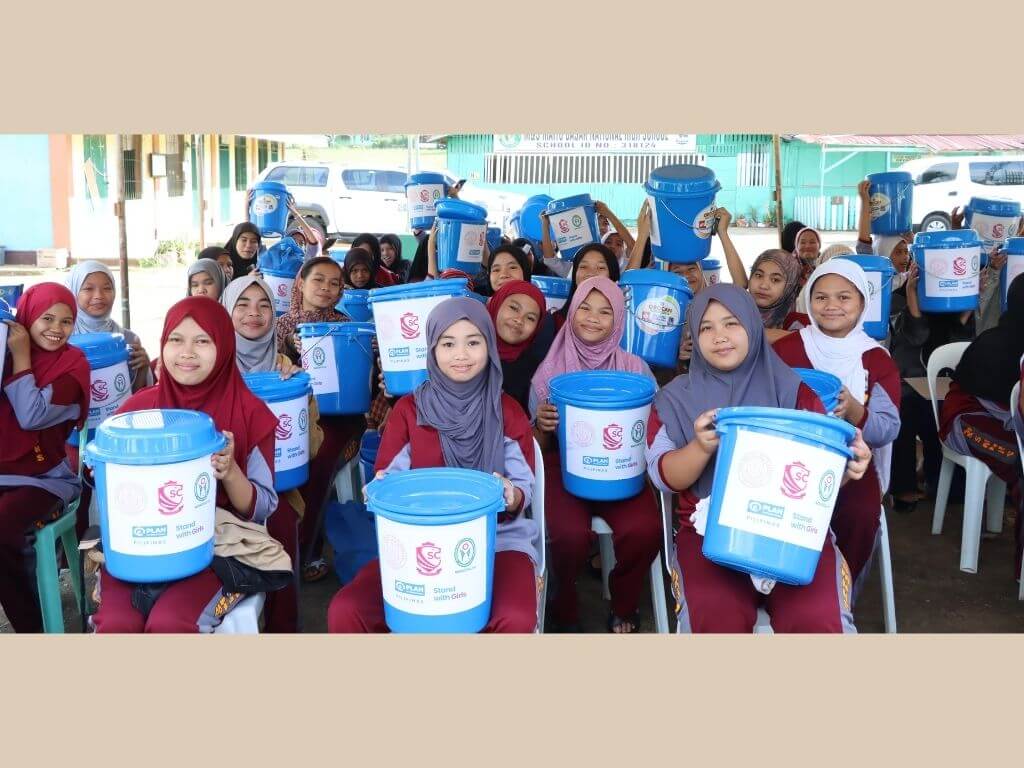
The organization said focusing solely on enrollment figures risks overlooking challenges that push girls out of school.
“Every June, we celebrate the return to school, but for too many girls, the bigger story is what is stopping them from fully being there,” Plan International Pilipinas executive director Pebbles Sanchez-Ogang said in a press statement.
Plan International is an independent, non-governmental humanitarian and development organization focused on advancing children's rights and equality for girls.
The big picture
Menstrual health remains a significant obstacle for many students. According to data cited by the organization, 8 percent of girls in the Philippines reported missing school because of menstruation, driven by factors such as severe pain, limited access to menstrual products, and fear of stigma or bullying.
Research from the Sang pour Sang Project also found that 96 percent of menstruators experienced at least one form of menstrual discrimination.
To address these concerns, Plan International Pilipinas partnered with UNICEF and the Philippine government to launch the Oky Period Tracker App.
The digital platform has attracted more than 187,000 registered users nationwide and aims to provide menstrual health information and cycle tracking tools for girls.
Why it matters
The organization also highlighted the impact of unpaid domestic and caregiving responsibilities on girls’ education.
Findings from Plan International’s Real Choices, Real Lives study showed girls spend an average of five hours and 15 minutes daily on unpaid household work, reducing time available for school-related activities.
Separately, EDCOM II data showed that the need to work contributed to 44.17 percent of school dropouts among Filipino youth, underscoring how economic pressures continue to interrupt education.
What’s next
Teenage pregnancy remains another major challenge. Philippine Statistics Authority data recorded 138,697 live births among females aged 10 to 19 in 2024, including 3,560 births involving girls aged 10 to 14.
Plan International Pilipinas said coordinated action from government, schools, communities, families, and civil society groups is needed to create safer and more inclusive learning environments and ensure girls can remain in school and reach their full potential. —Vanessa Hidalgo | Ed: Corrie S. Narisma