
Popular culture serves as a vivid lagging indicator of structural macroeconomic strain and a leading indicator of shifting consumer survival strategies.
Bullish societies celebrate innovation, risk-taking, and the future. Anxious societies embrace nostalgia, family, community, and survival. If that framework is correct, then today's television landscape is sending a powerful signal.
Why is America reviving Little House on the Prairie, one of the defining family dramas of the 1970s? Why did the Philippines enthusiastically embrace the remake of Voltes V while FPJ's Batang Quiapo dominates ratings? Why are audiences gravitating toward stories about struggle, resilience, and ordinary people confronting difficult odds?
And most importantly: What can investors learn from the striking parallels between the 1970s and the 2020s?
The questions are worth asking because the original Little House on the Prairie emerged during one of America's most difficult economic decades, while its 2026 revival arrives amid concerns over affordability, debt, and economic insecurity. The new Netflix version once again focuses on family, perseverance, debt, and frontier survival.
The central question: Why are we looking backward?
When societies are optimistic, they tend to imagine the future. Consider the 1990s. The era produced stories about technology, globalization, the internet, and limitless possibilities. Today feels different. Instead of celebrating tomorrow, we are recreating yesterday.
The popularity of Little House on the Prairie, Voltes V, and Batang Quiapo suggests that households are seeking something increasingly scarce: certainty.
That raises an important question: Are remakes becoming popular because audiences miss the past, or because they no longer trust the future? The answer may be both.
The similarities between the 1970s and today
The parallel is difficult to ignore.
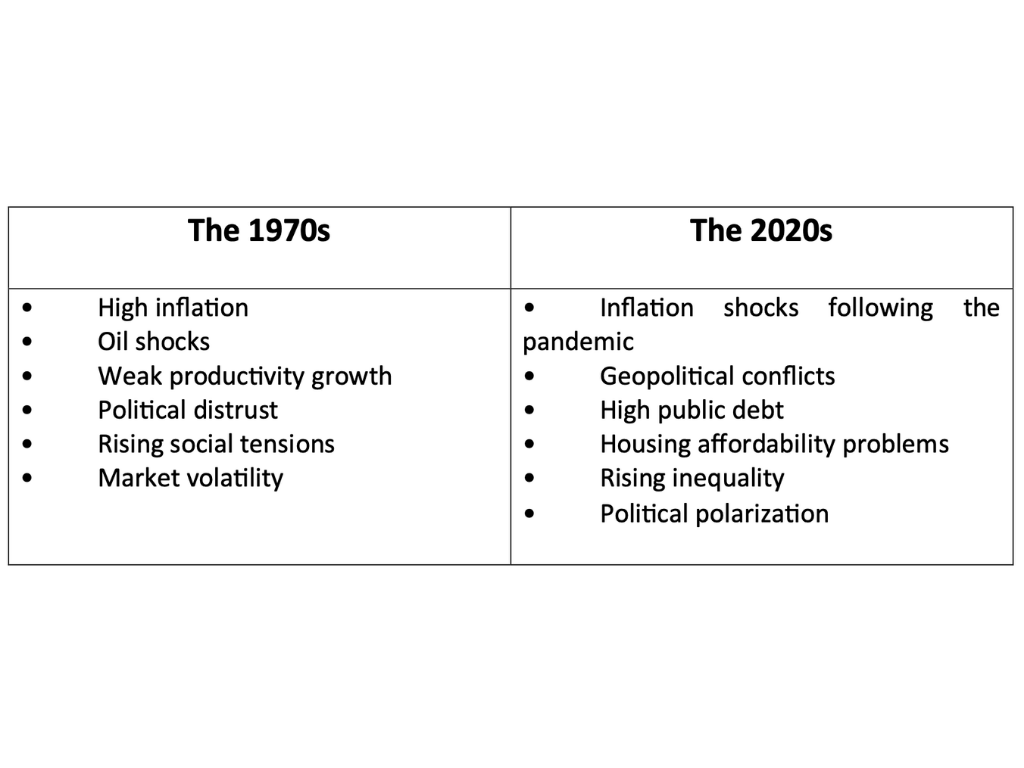
The causes differ, but the emotional outcome is remarkably similar: economic uncertainty.
When uncertainty rises, consumers seek stories that celebrate resilience rather than abundance. That is exactly what Little House, Voltes V, and Batang Quiapo offer.
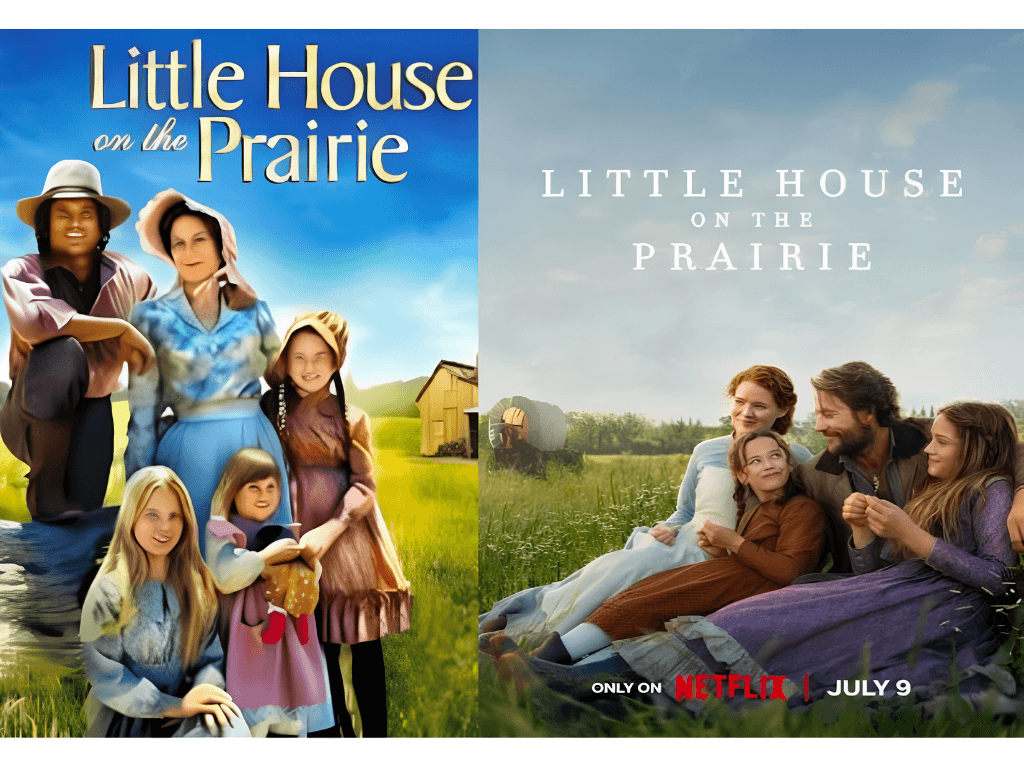
Little House: The economics of self-reliance
The Ingalls family survives through hard work, thrift, and community. There are no government bailouts. No technological shortcuts. No instant gratification. The appeal is obvious. Many households today are confronting elevated living costs and questioning whether their children will enjoy a higher standard of living than they did.
The frontier story resonates because it reflects an increasingly popular belief: "If times become harder, we must become stronger.”
That mindset is fundamentally different from the optimism that characterized much of the 1990s and 2010s.
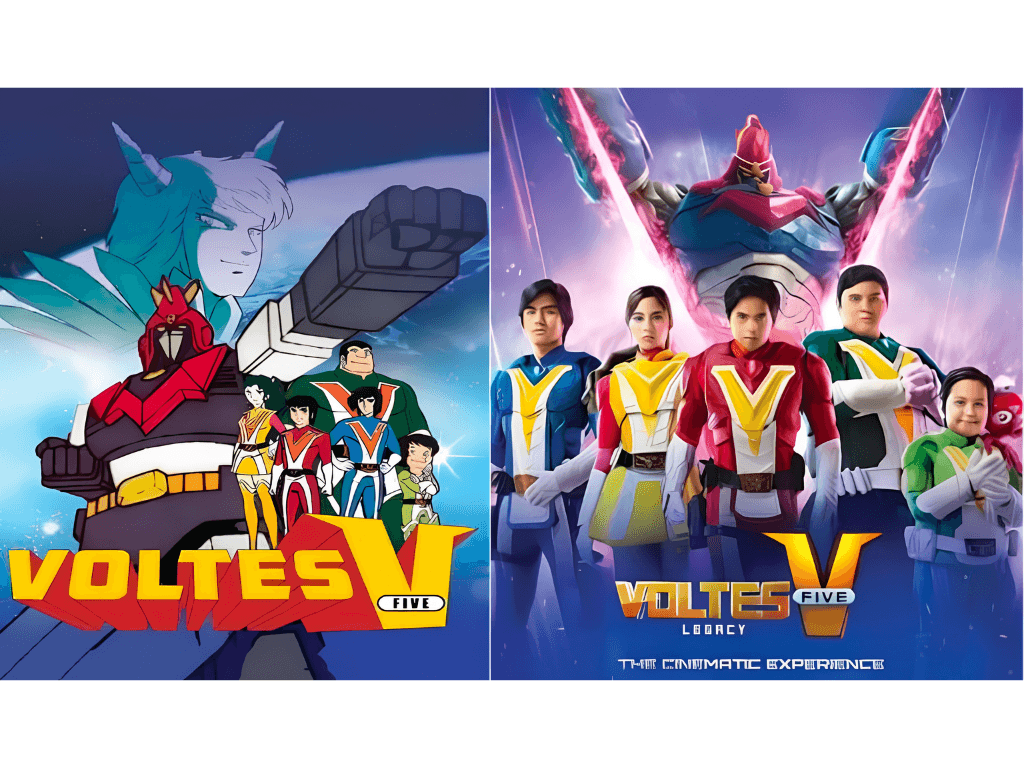
Voltes V: The economics of collective action
At first glance, Voltes V appears to be a story about giant robots. It is not.
Its enduring appeal comes from a deeper narrative. A divided group succeeds only when it unites against a larger threat.
The 1970s version emerged during a period of political uncertainty. The modern remake arrived amid concerns over inflation, inequality, and social pressures.
The message remains the same: collective action can overcome structural challenges. That theme resonates strongly during periods when individuals feel less control over economic outcomes.
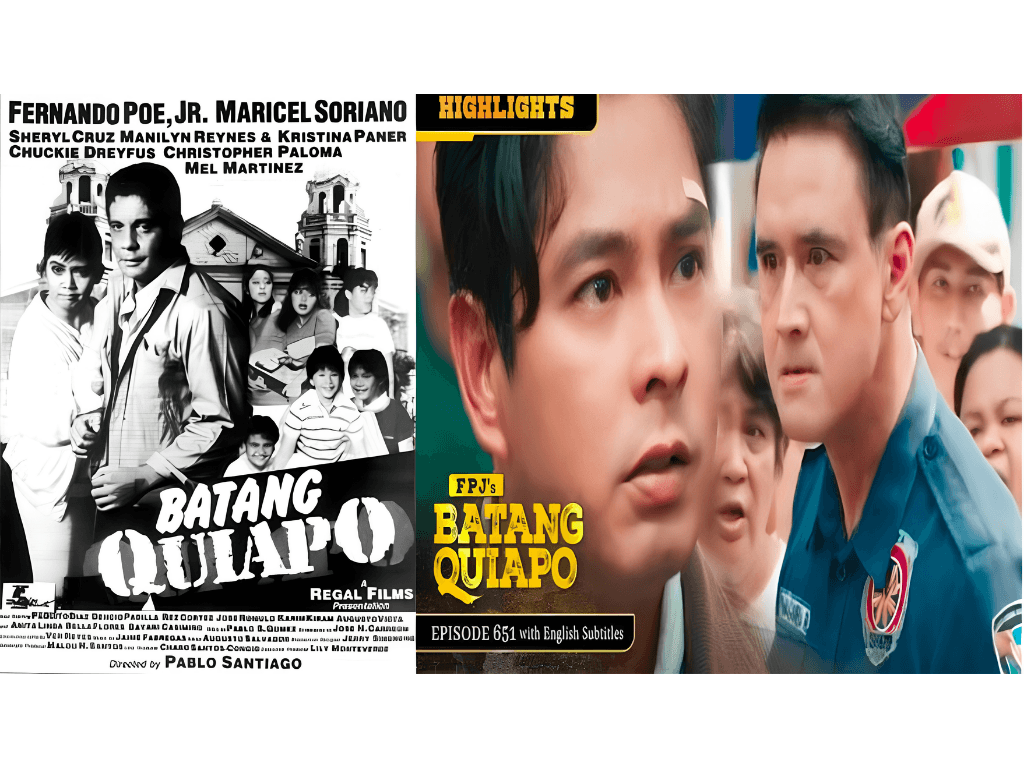
Batang Quiapo: The rise of the survival economy
If Little House represents self-reliance and Voltes V represents collective action, Batang Quiapo represents adaptability.
Its world is imperfect. Rules are often unclear. Success depends on relationships, hustle, and resilience.
Many viewers recognize elements of their own economic experiences. Informal work, side hustles, entrepreneurship, and constant adaptation have become defining features of many households' survival strategies.
The popularity of the show suggests that audiences increasingly identify with survival rather than prosperity narratives. That is a significant social mood indicator.
What should investors be asking?
Several important questions emerge:
1. Are we reliving a 1970s-style market environment?
Not exactly. History never itself repeats perfectly. But it often rhymes.
The 1970s favored:
Traditional buy-and-hold stock investing became more challenging because inflation repeatedly undermined returns.
Today, investors should ask whether inflation may remain structurally higher than the ultra-low levels experienced during the 2010s.
2. Why is nostalgia becoming so valuable?
The success of remakes suggests consumers increasingly value familiarity. That has implications beyond entertainment. Brands with trusted identities may outperform newer brands. Established franchises may command premium valuations. Companies selling reliability may do better than those selling disruption.
3. Are consumers becoming more defensive?
Households today are becoming more selective.
Consumers are prioritizing:
This often occurs when economic confidence softens.
The investment lessons from the 1970s
For investors, the biggest takeaway is not to buy a stock because a television show becomes popular. The lesson is understanding the mood behind the popularity.
The 1970s taught us that periods of inflation and uncertainty reward different investment behaviors than long periods of stability and globalization.
Three lessons stand out:
Lesson 1: Own pricing power
Companies able to pass higher costs to consumers tend to outperform.
Lesson 2: Don't underestimate real assets
Energy, infrastructure, commodities, and certain property sectors often become more important during inflationary periods.
Lesson 3: Resilience beats speculation
When social mood becomes defensive, investors tend to reward stable earnings, strong balance sheets, and dependable cash flows.
The market leadership of the next decade may look very different from the market leadership of the previous decade.
Final thought
The return of Little House on the Prairie in America and the enduring popularity of Voltes V and Batang Quiapo in the Philippines may tell us more than television executives realize.
They suggest that people are searching for the same things that audiences sought in the 1970s:
For economists, these are cultural observations. For investors, they are potential clues. Because when a society begins celebrating characters who endure hardship rather than characters who enjoy prosperity, it often means the public senses that tougher times may lie ahead.
As Robert Prechter might have argued, the television screen is not merely reflecting society. It is revealing the collective mood that may ultimately shape consumer behavior, economic trends, and investment outcomes long before the economists discover them in the data. — Edited by Daxim L. Lucas
The author is one of the Philippines’ most respected analysts and market strategists. He is senior adviser at Reyes Tacandong & Co., and independent director at PH Resorts Group Holdings Inc. and DITO CME. For over 20 years, he was chief market strategist at BDO Unibank. A certified technical analyst, he combines data-driven precision with strategic foresight, making him a trusted voice in Southeast Asia and global economic fora.