Market integrity has largely driven the positive response. However, one aspect needs further emphasis: this proposal is the most genuinely pro-poor intervention available, while the alternatives fail to deliver where they claim to help most.
Standard analyses of power and fuel price relief measures focus on distributional impacts by consumption.
The University of the Philippines School of Economics found that blanket fuel tax cuts are regressive: the richest 30 percent of households receive nearly half the benefit, while the poorest 30 percent get less than 17 percent.
Target beneficiaries
Direct subsidies from the national budget show similar leakage to non-poor households or are lost to administrative overhead. These findings should inform any honest policy debate.
However, this framework assumes all households face the same cost when absorbing a sudden price shock over time. This is not the case. The financing proposal provides its most significant and targeted benefit to the poor through the credit market, not through consumption distribution.
A middle-class household facing a P186 monthly electricity surcharge has options such as a credit card, cooperative loan, or salary advance. In contrast, a sari-sari store operator in Cavite, a tricycle driver in Laguna, or a fisherfolk family in Quezon typically has only one option: an informal lender. Informal lending in the Philippines is a serious issue.
The common 5-6 scheme charges a monthly interest rate of 20 percent, or about 240 percent annually. A poor household borrowing to cover even one month’s surcharge will repay more than double the original amount before clearing the debt. A temporary price shock can thus become a long-term debt trap.
Avoiding a debt trap
The banking sector financing facility replaces this debt trap with an option previously unavailable to the poor. It provides institutional-rate, collateral-free, and application-free financing at about 7 percent per year, integrated into the electricity bill. Consumers simply continue paying a small monthly charge. There is no need for a loan officer, promissory note, or collector.
This is effective financial inclusion, achieved not through a separate credit program requiring enrollment, documentation, and approval, but through a billing system that already serves millions, including the most vulnerable.
While wealthy consumers who can easily absorb the P186 charge also benefit from amortization, the welfare gain is much greater for the poor, whose alternative is the 5-6 lender. For the affluent, the benefit is only a minor timing advantage.
Managing the shock
Critics argue that the financing approach only defers costs. While this is true, a 7-percent deferral per year is fundamentally different from a 240-percent annualized rate for a poor household.
The difference is between a manageable long-term obligation and a cascading debt crisis. Although the financing facility does not eliminate the crisis cost, it channels that cost through institutional credit at a rate the poor could not otherwise access, using the electricity bill as the delivery method.
This is not a subsidy, but rather genuine financial democratization, created in response to a crisis and available to every Filipino with an electric meter.
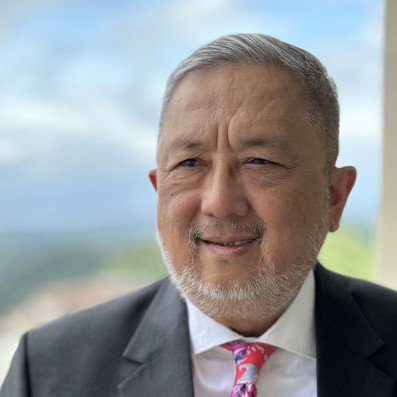
A power industry expert with over 40 years in experience as chief executive officer in firms ranging from banking, power, and advisory services.