
Singapore, then, was a young nation still wrestling with its survival era. Unemployment had peaked at 14 percent around its independence, and nearly 70 percent of the population lived in overcrowded slums.
Their airport at the time, Paya Lebar, had hit a structural dead end. It was processing four times the passengers it was designed for and, because it was boxed in by the city, expanding it meant paralyzing the surrounding neighborhoods with noise and traffic.
Many experts advised the government to just “patch up" the old airport, add a runway here, expand a terminal there.
But Singapore’s leaders realized that patching was just a band-aid solution that would eventually be choked by urban growth. As such, they took a massive risk by undertaking the largest public project in their history to build a new airport on the swampy coast of Changi.
The result? Changi didn’t just follow Singapore’s growth. It caused it.
It allowed the city state to shift from low-cost manufacturing to high-tech global finance, with the aviation hub eventually contributing between 5 and 6 percent of their gross domestic product.
In other words, Singapore did not build Changi airport because it was rich. It became rich, to a large degree, because its leaders had the foresight to build Changi airport.
Our Changi airport moment
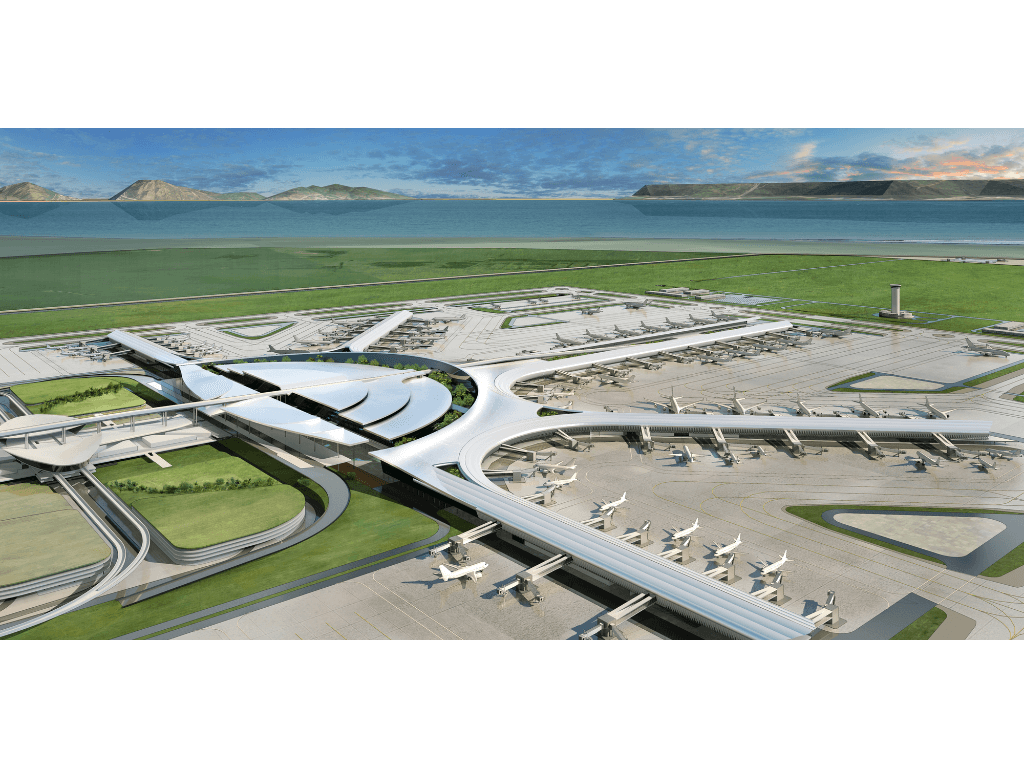
Today, we are seeing that exact same logic play out with the New Manila International Airport project in Bulacan.
For decades, the Ninoy Aquino International Airport (NAIA) has been the Philippines' main gateway. But like Paya Lebar, it is exhausted and trapped by the dense sprawl of Pasay and Parañaque, leaving little room to breathe, let alone grow.
When a key airport hits its limit, the whole country feels it. It is a literal bottleneck on our national potential. If we cannot handle more flights, we cannot handle more investors, more tourists, and more high-value cargo. It’s that simple.
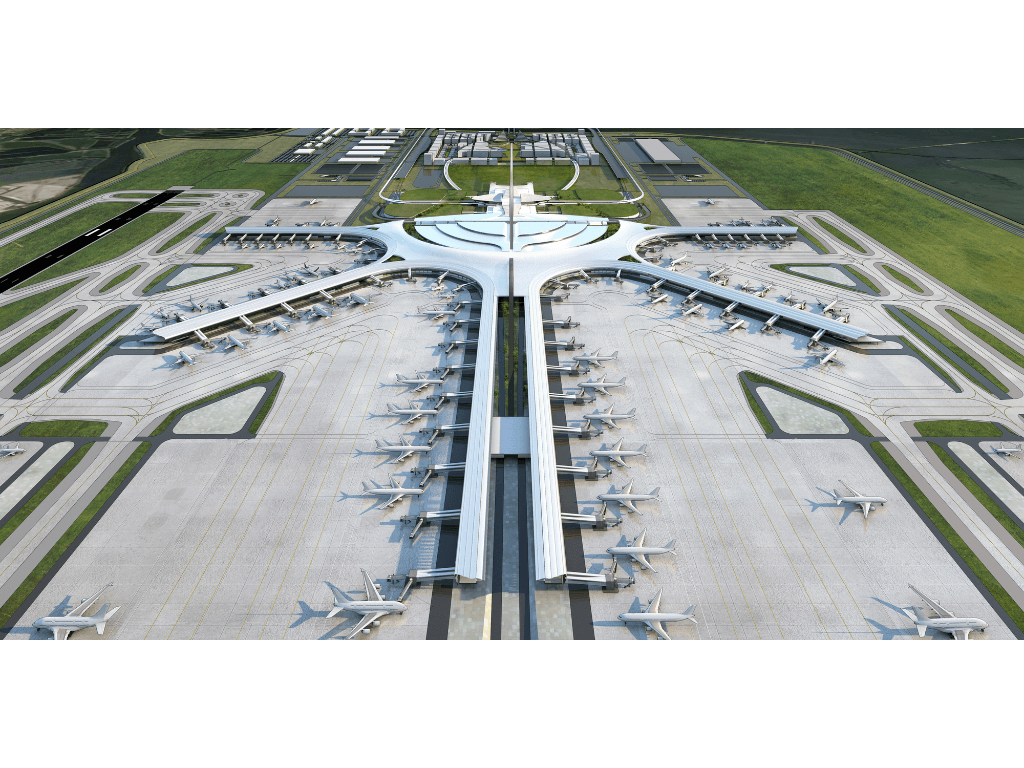
The move to Bulacan is a calculated shift toward future-proofing. By building a massive, integrated “Aerocity” (with parallel runways and direct links to expressways and rail systems), the project aims to move the country’s economic center of gravity. This is an upgrade to an entirely different league.
As we can see abroad, large airport hubs create ecosystems of cargo handling, tech manufacturing, and hospitality facilities. For a nation of over 110 million people, the Philippines having a world-class gateway is the only way to make sure the opportunities of the next few decades don't just overfly us to land in our neighbors' faster, more efficient hubs.
Scrutiny welcome
It goes without saying that a project this big should be looked at closely and carefully. There are questions about the environment and how moving people affects local communities.
That is why it is important to note that this is not like any other local construction job. It is actually being built through the lens of international metrics like the IFC Performance Standards and the Equator Principles — both of which are rigorous, global benchmarks for social and environmental responsibility — to ensure that progress does not come at the expense of the very people it’s meant to serve.
At the same time, we must also acknowledge a familiar pattern of resistance. Every major leap forward in our country’s history has been met by those who specialize in opposition.
As a journalist covering business and economics for over a quarter of a century, I have grown tired of seeing national progress stalled by voices that contribute nothing but complaints. I’m talking about people who neither build, create, nor offer solutions, but are the first to stand in the way of development.
There is a fundamental difference between constructive scrutiny and the kind of reflexive opposition that keeps a country mired in the past.
A dialogue between today and tomorrow
Ultimately, infrastructure is a dialogue between the present and the future.
While the debates today often center on the immediate challenges of construction, the real impact of the Bulacan airport will be measured decades from today by a generation that never knew the constraints of a landlocked gateway.
We are building for a future where a young Filipino entrepreneur can ship goods to the world as easily as if Singapore or Dubai were next door neighbors, and where our children don't have to leave the country to find world-class opportunities.
History has a way of smoothing over the friction of the present once the benefits of progress become part of the air we breathe. Just as we can no longer imagine a Philippines without the highways that knit our islands together, we will one day wonder how we ever functioned without a sprawling airport that matched our national ambition.
Choosing to build our next gateway in Bulacan is a declaration of faith in what the Philippines can become. And it is a signal that we are finally ready to stop outgrowing our infrastructure and start building a foundation that is strong enough — and big enough — for all of us.

Senior Reporter