Transport costs are already rising, driving up fertilizer prices and, by extension, the cost of food. For the wealthy, this means thinner margins; for the middle class, tighter budgets; and for the poor, it is a matter of survival.
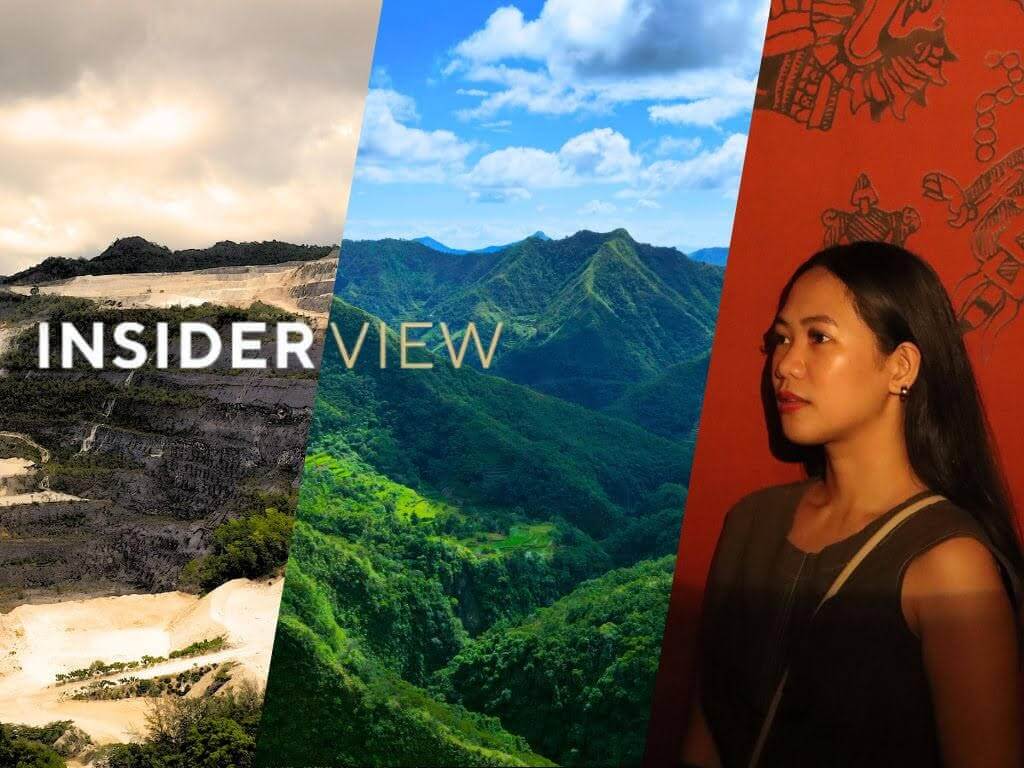
In the mining industry, fuel is the lifeblood of operations. Extracting and hauling ore requires heavy equipment, while transporting raw materials along the value chain depends on fuel-hungry barges.
Shift to renewable energy
This reality makes the shift to renewable energy and electric vehicles more than a trend—it is a necessity.
At Nickel Asia Corp. (NAC), this transition has been underway for over a decade. As early as 2014, its subsidiary, Taganito Mining Corp, invested in a conveyor belt system that slashed mine-site fuel use by more than 90 percent.
More recently, NAC has piloted hybrid equipment to further decouple its operations from volatile fuel prices.
The hardware of sustainability, however, is only half the battle; the other half lies in leadership. Real, substantive change begins in the boardroom, where decisions are made.
Too often, environmental, social, and governance (ESG) is treated as a drain on the bottom line—or worse, a public relations exercise for annual reports.
True transformation
When sustainability is treated as performance rather than policy, initiatives inevitably stall. True transformation requires boards and management teams that treat these shifts as non-negotiable pillars of business longevity, backed by the political will and capital to disrupt the status quo.
When this conviction is genuine, it creates a ripple effect that extends far beyond the executive floor. Leadership that champions these shifts does more than change workflows—it reshapes mindsets. It challenges employees, stakeholders, and even competitors to look beyond short-term gains toward a broader horizon.
By modeling this foresight, leaders turn sustainability from a corporate mandate into a shared mission—one that values the long-term health of communities as much as quarterly returns. Ultimately, it is about building a future where business and society thrive together.
Ultimate stress test
This crisis is the ultimate stress test for executives who still view sustainability as an administrative burden rather than a blueprint for survival. While the upfront costs of transition may seem daunting, it is the only path to strengthening resilience in the years ahead.
As with all sound planning, foresight requires looking beyond quarterly reports to plant the seeds of a future that protects us all. We are in a race against time—to innovate at a scale where “survival” is no longer a daily struggle for Filipino workers.
Karl Ocampo is a former business journalist for the Philippine Daily Inquirer and now serves as the media and communications manager at Nickel Asia Corp.