
Admittedly, this populist argument resonates with the some sections of the public amid elevated pump prices and geopolitical tensions. But it rests on an oversimplified—and inaccurate—reading of history.
For one, the government did not sell Petron directly to San Miguel. Instead, the privatization process unfolded in stages over several years.
Privatization history
In 1994, the state-owned Philippine National Oil Co. (PNOC) sold a 40-percent stake in the firm to Saudi Aramco and another 20 percent to the public via an initial public offering on the stock exchange. Aramco later exited in 2008, selling its stake to London-listed Ashmore through SEA Refinery Holdings B.V.
San Miguel entered much later, eventually taking majority control in 2010.
This distinction matters because what is now being proposed is not a simple reversal of a one-time sale. What some left-leaning voices are urging is a reacquisition of a company that has grown and prospered under private ownership, with expanded assets and operations.
Petron today is not the same entity the government once ran. Far from it. Its Bataan refinery has a capacity of about 180,000 barrels per day, enough to supply 40 percent of domestic fuel demand. In a country that’s dependent on imported fuel, that makes it a critical buffer against supply disruptions.
Petroleum pricing
The pricing issue also requires closer scrutiny. Like other oil firms, Petron prices based on replacement cost and prevailing market benchmarks, not historical crude costs. Its procurement from Saudi Aramco follows formulas tied to global industry benchmarks.
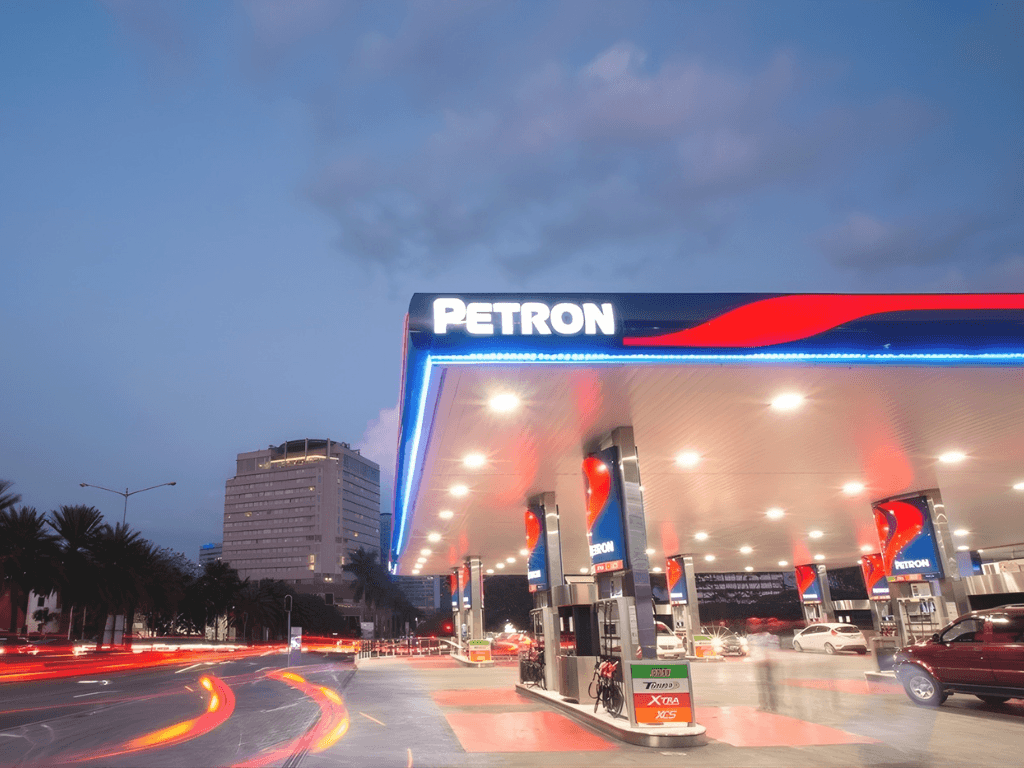
At the same time, Petron’s business model differs from import-dependent players. It operates a domestic refinery, maintains crude supply arrangements, and uses hedging mechanisms to manage price volatility. These do not insulate it from market forces, but they do give it operational flexibility not shared by all competitors.
That difference shows up at the pump. For the week of April 7 to 13, 2026, Petron’s retail prices were generally below those of Shell and Caltex across key products.
This undermines the populist narrative because the same company being blamed for high prices is also operating a major domestic refinery and, in most cases, selling cheaper fuel than their multinational rivals. That demolishes their argument that Petron is driving price pressures.
Wanted: an informed debate
The debate would be more productive if it focused on fundamentals: consumer protection, supply adequacy, market competition, and the country’s exposure to global shocks. These are the issues that shape fuel prices over time.
San Miguel’s position has also evolved. Conglomerate chair and CEO Ramon Ang has reiterated his willingness to sell Petron back to the government. That shifts the discussion from ideology to execution.
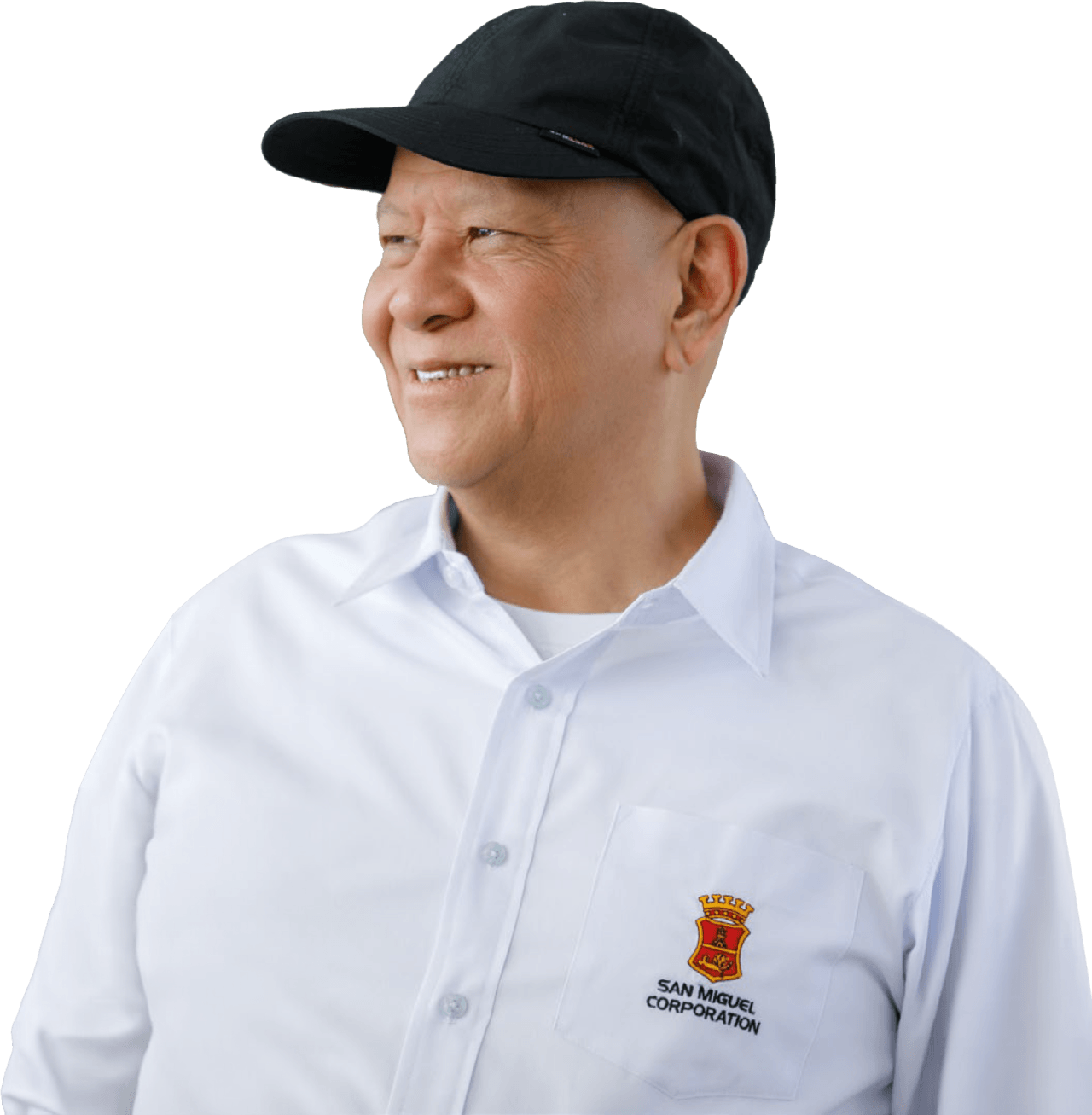
The question is no longer about his willingness to sell, but the state’s capability to run the firm as well as the private sector has.
Can the state acquire, finance, and manage a large downstream oil business more effectively? (It can raise the money to buy it, with some difficulty, but history has shown that the government is, for the most part, less efficient in running enterprises.)
Would public ownership lower prices, or shift risk to taxpayers? (It could lower prices, but not in a sustainable manner. And one can be 100-percent certain that the taxpayers will be doing the lifting for that heavy burden.)
Would it enhance supply security, or expose the government to the same volatility in global oil markets? (Supply security depends on having a strategic fuel reserve, which is a separate issue. As for exposing the government to the volatility of global oil prices, yes it will. We’ve been here before through the Oil Price Stabilization Fund which proved to be a massive waste of government funds.)
These are the trade-offs that need to be addressed and, more importantly, understood by the public.
Clearly, Petron is an easy and convenient political target. But policy decisions built on incomplete assumptions risk missing the real problem.
Before more people start to believe the populist illusion and chant “take it back”, the underlying facts need to be set straight.

Senior Reporter