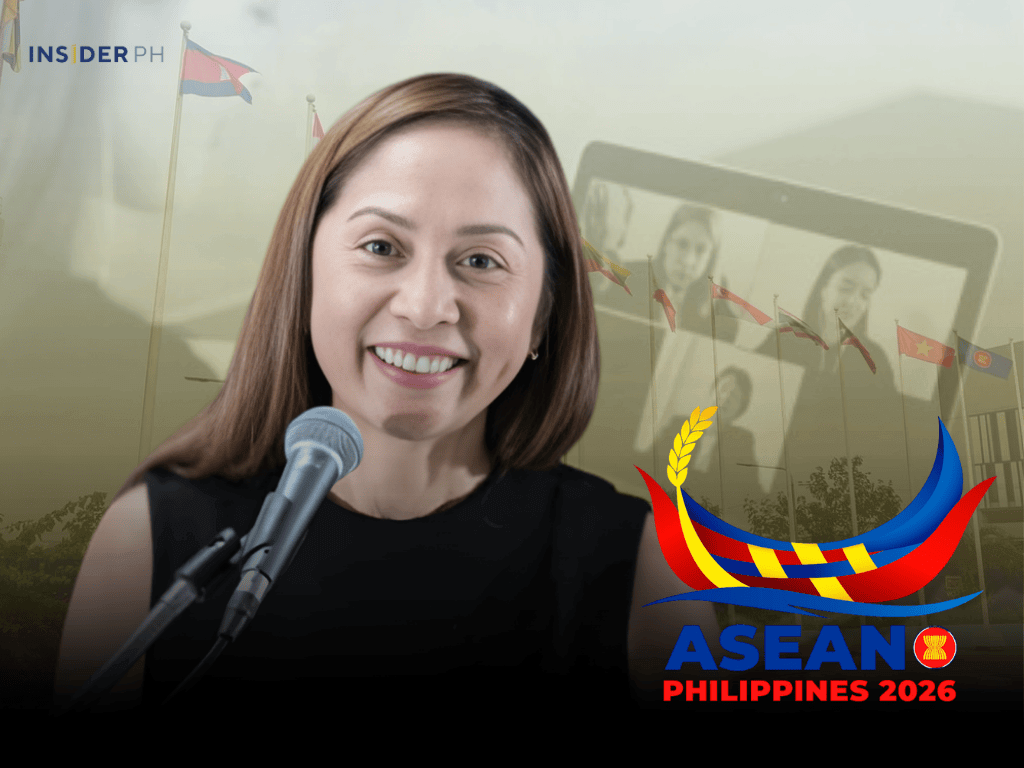
The shift follows a directive from President Ferdinand Marcos Jr. to recalibrate the country’s hosting of ASEAN-related activities toward more cost-efficient and energy-conscious approaches, amid a fuel crisis driven by tensions in the Middle East.
Despite the move to a virtual format, the DOE said key sectoral deliverables remain on track, with a sharper focus on urgent priorities such as energy security.
Staying on track
The transition will also not diminish the Philippines’ role in advancing ASEAN’s energy agenda.
“Even as we adjust the format of our meetings, the Philippines remains fully committed to delivering a productive and results-oriented ASEAN energy chairship,” said Energy Secretary Sharon S. Garin in a statement released on April 12.
“By moving the meetings online, we can use resources more prudently, remain responsive to current realities, and sustain close coordination with our fellow ASEAN member states and partners,” she added.
Full calendar
The shift covers the remaining meetings under the Philippines’ 2026 chairship of the ASEAN energy sector, following the successful hosting of the ASEAN Special Senior Officials Meeting on Energy in Bohol from January 20 to 22.
These include sub-sector meetings in April and May, the Senior Officials Meeting on Energy in June, and the ASEAN Ministers on Energy Meeting in September.
During its chairship, the Philippines will continue advancing regional priorities that strengthen energy security, enhance resilience, and support a more connected and future-ready ASEAN energy landscape.
Key initiatives include the ASEAN Power Grid, the ASEAN Framework Agreement on Petroleum Security, and the Trans-ASEAN Gas Pipeline.
Sustained momentum
The Philippines aims to sustain momentum in regional energy cooperation while aligning its ASEAN hosting with prudent resource use and the government’s broader focus on urgent national and regional priorities.
The DOE also reaffirmed its commitment to sustained engagement with ASEAN member states, the ASEAN Secretariat, the ASEAN Centre for Energy, and dialogue partners throughout the chairship period, ensuring that discussions remain substantive, coordinated, and outcome-driven. —Ed: Corrie S. Narisma
Contributor