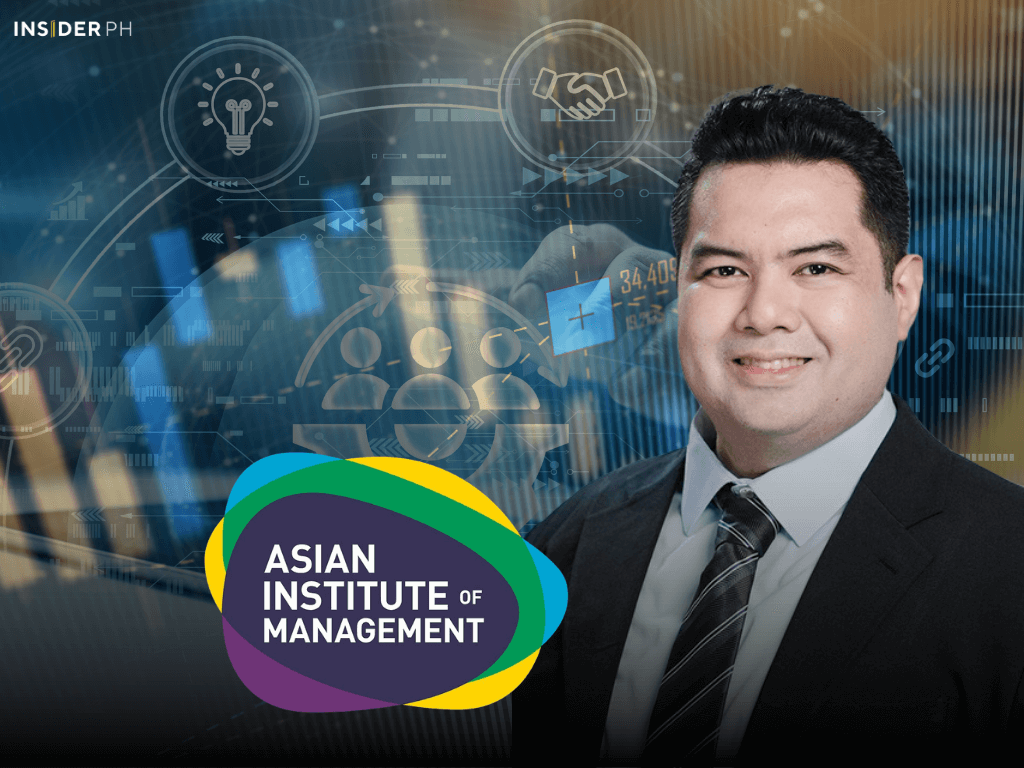
By Atty. Mario Cerilles Jr.
This quote, attributed to Anita Roddick, founder of the multinational cosmetics brand, The Body Shop – whose belief that business should be a force for good was found to be revolutionary at the time – resonates with many of today’s businesses.
Whether through philanthropy, human rights compliance, or sustainability reporting, businesses appear to have renewed interest in “doing good.” A number of reasons could explain this development.
Changing expectations
To begin with, investors are more prudent when it comes to where they place their resources, opting for companies who have shown a reliable track record in contributing to society.
Secondly, countries appear to have demonstrated a more determined stance against erring corporations, with studies reporting an increased number of lawsuits having been filed against corporate entities for human rights violations in recent years.
Lastly, financial success and concern for people and the environment are no longer seen as mutually exclusive concepts, with research demonstrating that companies who engage in ethical practices are able to manage risks better, and earn more profit.
All of a sudden, Anita Roddick’s quote no longer appears controversial. The question that remains, however, is how can companies adjust to these developments?
Below are a few steps that companies could take to cope with the demands of the modern business landscape:
Exercising self-reflection: Ethical decision-making under the rule of law
Companies can no longer afford to concern themselves solely with profit. Businesses need to assess the impact of their activities on other people and on the environment.
Companies can start doing this internally by establishing open communications with their own members, and checking on their employees’ welfare regularly.
Externally, it can also take the form of surveying customers to see if the company is able to respond to the needs of their clients, and of society in general.
Ethical decision-making grounded in sound governance and respect for the rule of the law, helps leaders balance commercial objectives with long-term legitimacy and trust.
Staying informed: Regulatory awareness in fast-changing global environments
We live in a world wherein knowledge is increasingly accessible. With current
developments in Generative AI, we are now able to obtain processed information with just a few clicks.
This also means that it is increasingly difficult for erring companies to hide under the excuse of ignorance for their harmful actions. Companies ought to be aware of how their actions impact others, and technology can be leveraged to achieve this end.
Of course, it goes without saying that advanced tools need to be used with caution. Nevertheless, if used properly and ethically, these tools can help companies remain attuned to present-day policies and regulations.
Building reliable teams: Cross-functional risk and compliance leadership
Despite developments in technology, a company’s most important asset remains to be its members.
A company should be able to rely on its members for advice on how to conduct its business ethically.
Nowadays, it is not uncommon to see companies assigning responsibilities to multiple departments – some would have separate sustainability, regulation, and legal departments.
For smaller companies, outsourcing has also become a reliable alternative. Regardless of the means, what is vital is obtaining guidance from experts who can help companies remain up-to- date with reports and other requirements.
Focusing on capacity-building: Strategic legal literacy for international business leadership
While having capable teams is ideal, business leaders also need to take the initiative to learn the different aspects of their business.
Present times call for business leaders who are not afraid to take on the complexities of modern business. Notably, companies could now take advantage of different learning opportunities for its members.
We see an array of programs that are designed to help leaders adjust to the modern ways of doing business.
Today’s business leaders can take advantage of specialized learning opportunities that deepen their understanding of international regulation, compliance, and sustainable business practices—equipping them to lead responsibly in an increasingly complex global environment.
Looking ahead
As business transactions become more global, as technology further develops, and as sustainability takes center stage, there is more pressure for companies to evolve and adjust to the demands of present times. Companies have to remain adaptable to change.
They should also be prepared to engage in activities that truly matter such as training their members and equipping their leaders with skills that would allow them to thrive in an increasingly complex business atmosphere.
These adjustments may entail effort and resources. Nevertheless, at the end of the day, we can all take comfort in the fact that society appears to be moving towards the right direction.
If we all do our share, we may one day see a business sector that genuinely cares not only for profit, but also for the planet and its people.
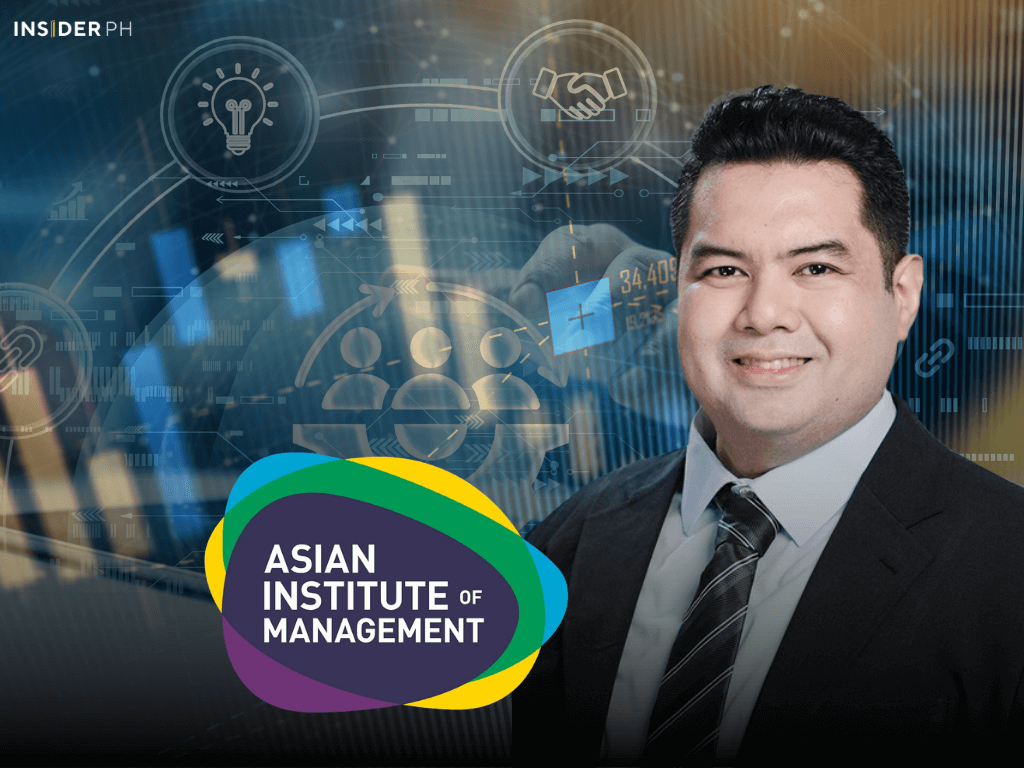
Mario C. Cerilles Jr., LLM, is an assistant professor and academic program director of the Master in International Business Law at the Asian Institute of Management. A Berkeley Law LLM graduate and Chevening Scholar at the London School of Economics, he specializes in international law, technology, and human rights. He is Managing Partner of CFIP Law and a member of the New York State Bar and Integrated Bar of the Philippines.