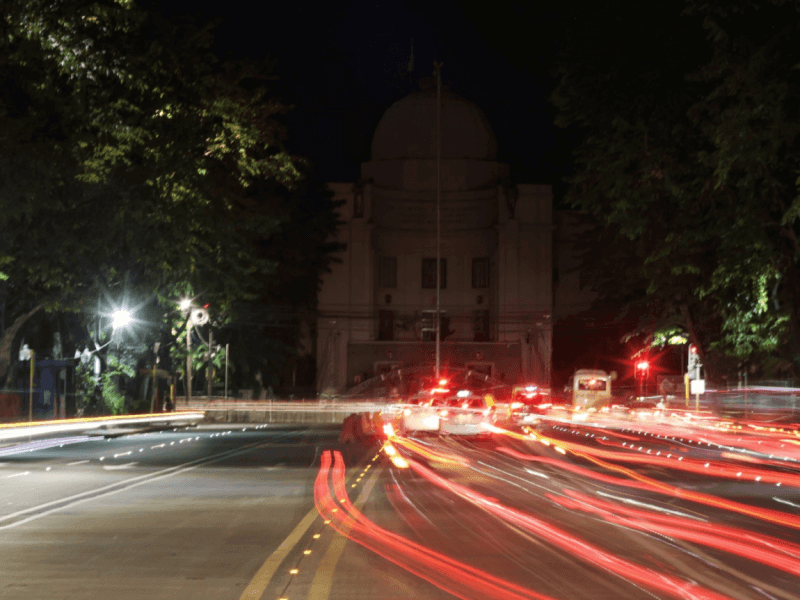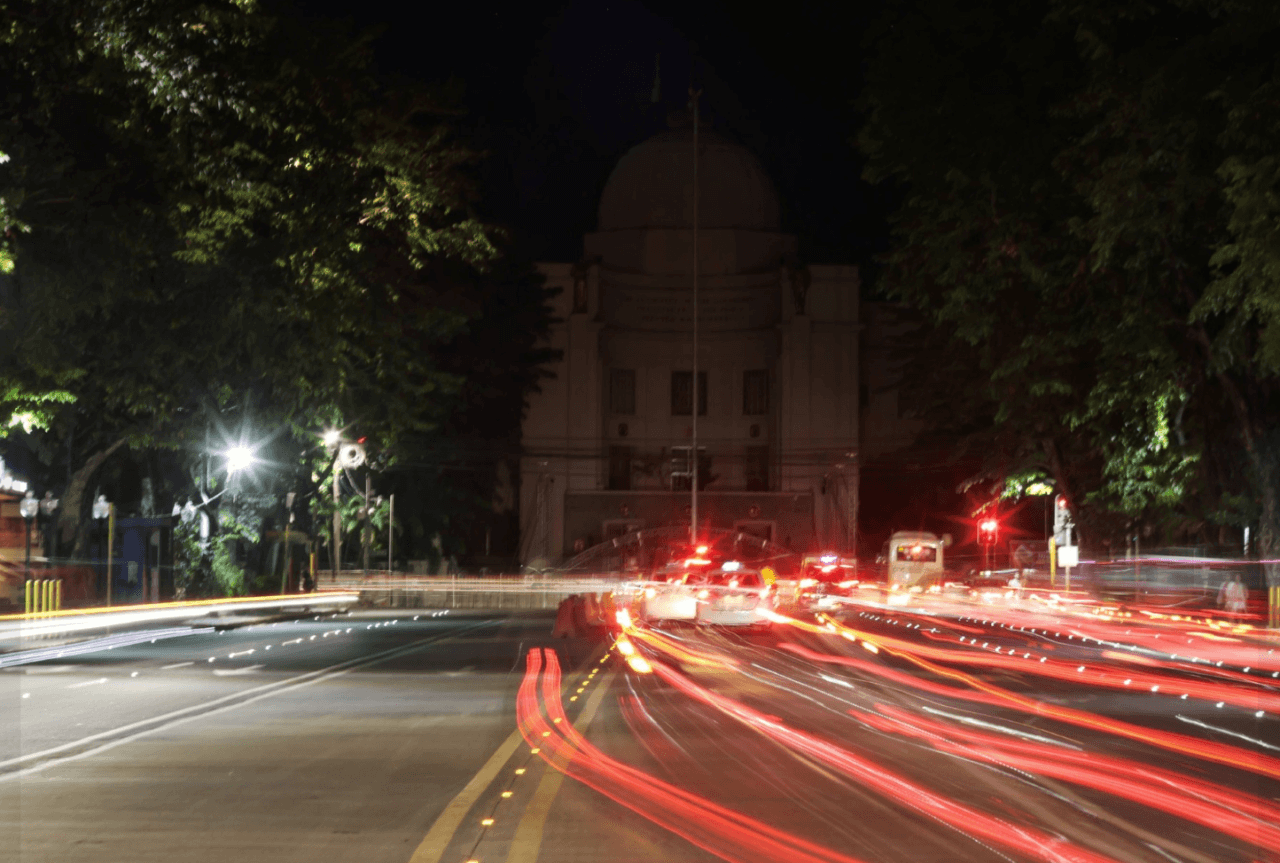
In a statement, the DOE said the largest reduction was recorded in Luzon at 75.24 MW, followed by the Visayas at 66.60 MW and Mindanao at 3.58 MW.
In his message, President Ferdinand Marcos Jr. emphasized the broader significance of the annual observance, saying Earth Hour “reminds us that how we use energy affects us all and reflects not only our habits, but also the kind of future we choose to build for our nation and our planet.”
He also called on Filipinos to support this year’s theme, “Switch on Habits for Earth,” and to integrate energy-saving practices into their daily routines.
“Together, let us ensure that the light of the Filipino spirit continues to shine with hope for a brighter future for all,” he said.
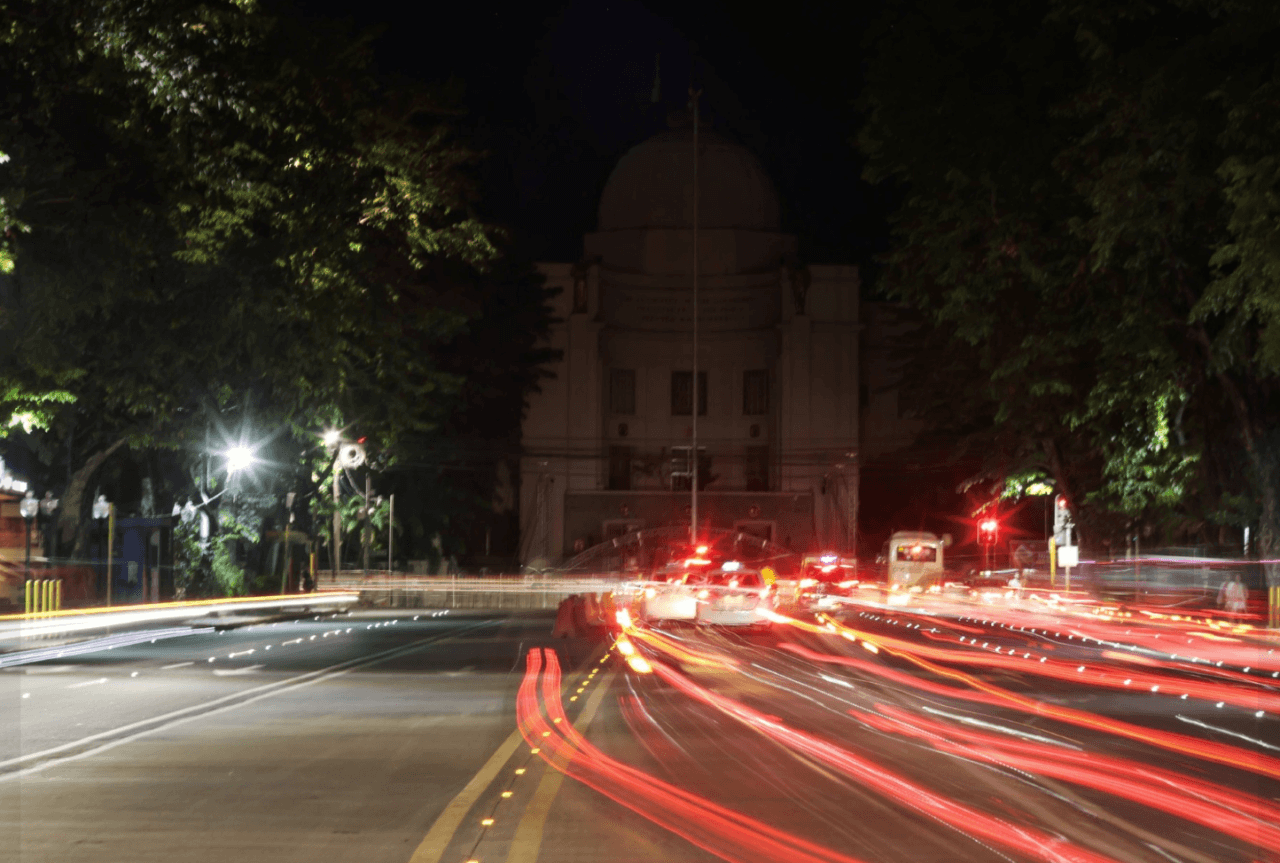
One hour for Earth
Earth Hour is a global environmental movement organized by the World Wildlife Fund (WWF), held every last Saturday of March. It encourages the people, businesses, and communities to turn off non-essential lights for one hour, from 8:30 p.m. to 9:30 p.m.
Earth Hour 2026 carries the theme "Give an Hour for Earth," which emphasizes going beyond the symbolic “lights-off” moment. Participants are encouraged to spend those 60 minutes doing something positive for the planet, such as cleaning up streets or preparing a sustainable meal.
Energy Secretary Sharon S. Garin said in a statement that while Earth Hour is symbolic, its true value lies in encouraging long-term behavioral change.
“Earth Hour clearly shows that when Filipinos act together, we can achieve meaningful reductions in energy demand. More importantly, it reminds us that energy conservation should not be limited to one hour, but practiced consistently in our daily lives,” she said.
Beyond Earth Hour
Sustained energy efficiency and conservation (EEC) practices are essential in addressing global challenges affecting fuel supply, electricity prices, and overall energy security, Garin said.
“Simple actions, such as turning off unused lights, using energy-efficient appliances, and managing our energy consumption wisely, can collectively strengthen our country’s energy resilience and help secure a more sustainable future,” she added.
The DOE reiterated its call for the public to carry the spirit of Earth Hour beyond the annual event by adopting energy-efficient practices at home and in the workplace, especially amid the global energy crisis driven by tensions in the Middle East.
Such sustained efforts not only reduce electricity costs but also support national goals of energy security, affordability, and environmental protection.---Connie Fernandez-Brojan | Ed: Corrie S. Narisma