Insider Spotlight
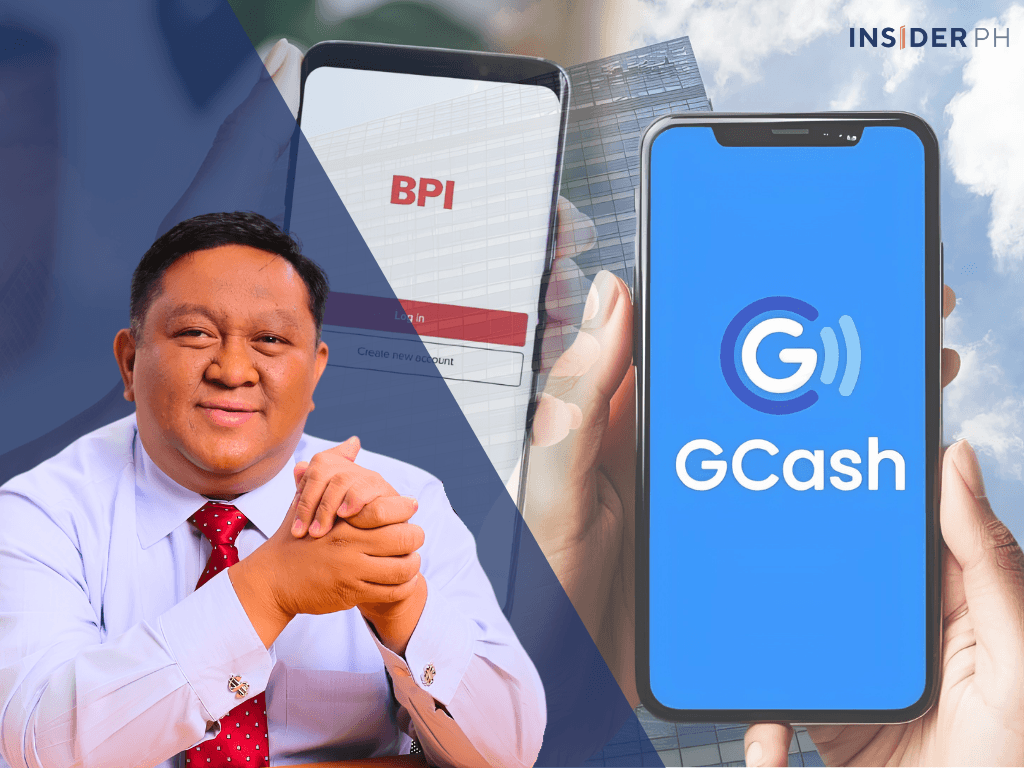
Ravelas was responding to an InsiderPH analysis that examined whether BPI's free digital fund transfers could intensify competition and weigh on GCash's IPO narrative by eroding one of fintech's early competitive advantages.
The big picture
Rather than signaling disruption, Ravelas said the move reflects the growing convergence between traditional banks and fintech companies.
"First, zero-fee transfers signal that traditional banks are now adopting the very playbook fintechs pioneered," he said. "This is less about displacement and more about convergence. When a major incumbent eliminates friction costs, it expands the entire digital payments universe, benefiting the largest platform with the deepest user engagement."
He argued that lower transaction costs could stimulate greater digital payment adoption, ultimately enlarging the market for all participants instead of simply intensifying competition.
Why it matters
Ravelas said the more important battleground is no longer transaction fees but ownership of the customer relationship.
"Second, the key question is not fees but control of the customer interface," he said. "BPI may now offer free rails, but GCash still owns the daily habit: over 40 million users, a dense merchant network, and a fully integrated ecosystem spanning payments, credit, savings, and investments."
"In platform economics, the front-end typically captures more value than the infrastructure layer."
He added that BPI's move accelerates an industry-wide transition away from fee-based transaction income toward relationship-driven monetization.
Between the lines
According to Ravelas, GCash's IPO story should increasingly focus on its ability to monetize customer relationships through lending, financial products and data rather than relying on payment fees.
"Third, this accelerates an already necessary shift: away from transactional monetization toward relationship-based monetization,” he explained.
“If anything, the move strengthens GCash's strategic narrative heading into its IPO—that it is not a payments app, but a financial super app monetizing credit, distribution, and data."
He also said lower transfer costs could create more opportunities for cross-selling and loan origination as digital transaction volumes increase.
"Finally, lower transfer costs actually broaden the addressable market,” he pointed out. “More digital flows mean more opportunities to originate loans, cross-sell products, and deepen wallet share. In that context, zero-fee transfers are not margin destruction—they are demand creation."
Bottom line
Ravelas said BPI's free-transfer initiative only poses a threat if GCash continues to define itself primarily as a payments provider.
"This is only a threat if GCash insists on being a fee-based payments provider. But if it leans into being a platform, BPI's move effectively subsidizes the ecosystem that GCash already dominates."
He added that while banks continue to dominate the financial system as gateways to accessibility, GCash's next opportunity lies in helping Filipinos make better financial decisions.
"Banks still dominate but they are a platform/gateway to accessibility," the analyst said. "Financial inclusion gets users in the system—but literacy is what turns access into real economic empowerment. That's where GCash can create the most value going forward." —Daxim L. Lucas | Ed: Corrie S. Narisma