Insider Spotlight
Why it matters
Thousands of public schools across the Philippines face recurring disruptions from typhoons, infrastructure gaps, and teacher shortages.
CVIF-DLP is designed to ensure learning continuity even in the most challenging conditions.
What’s happening
DepEd is finalizing teacher training guidelines to institutionalize CVIF-DLP and ensure educators are equipped to implement the methodology nationwide.
The agency has also completed a comprehensive database of Learning Activity Sheets for schools piloting the program.
“We are institutionalizing CVIF-DLP because it teaches resilience, discipline, and independent thinking,” said Education Secretary Sonny Angara.“
These are skills our learners will need in this changing world. In times of disruption, CVIF-DLP keeps learning going.
By equipping teachers with clear guidance and by building a complete library of Learning Activity Sheets, we are making sure this program can work in every type of school, from the most remote to the most hit by disasters. It’s a practical reform with real impact on classrooms.”
How it works
Pioneered by Ramon Magsaysay Awardees Dr. Christopher Bernido and his late wife, Dr. Marivic Carpio-Bernido, the program promotes “learning by doing,” encouraging students to actively engage with lessons rather than rely on rote instruction.
This initiative, according to a press release, was originally designed to address teacher shortages, lack of textbooks, and frequent class suspensions. Today, it offers scalable solutions to challenges faced by public schools nationwide.
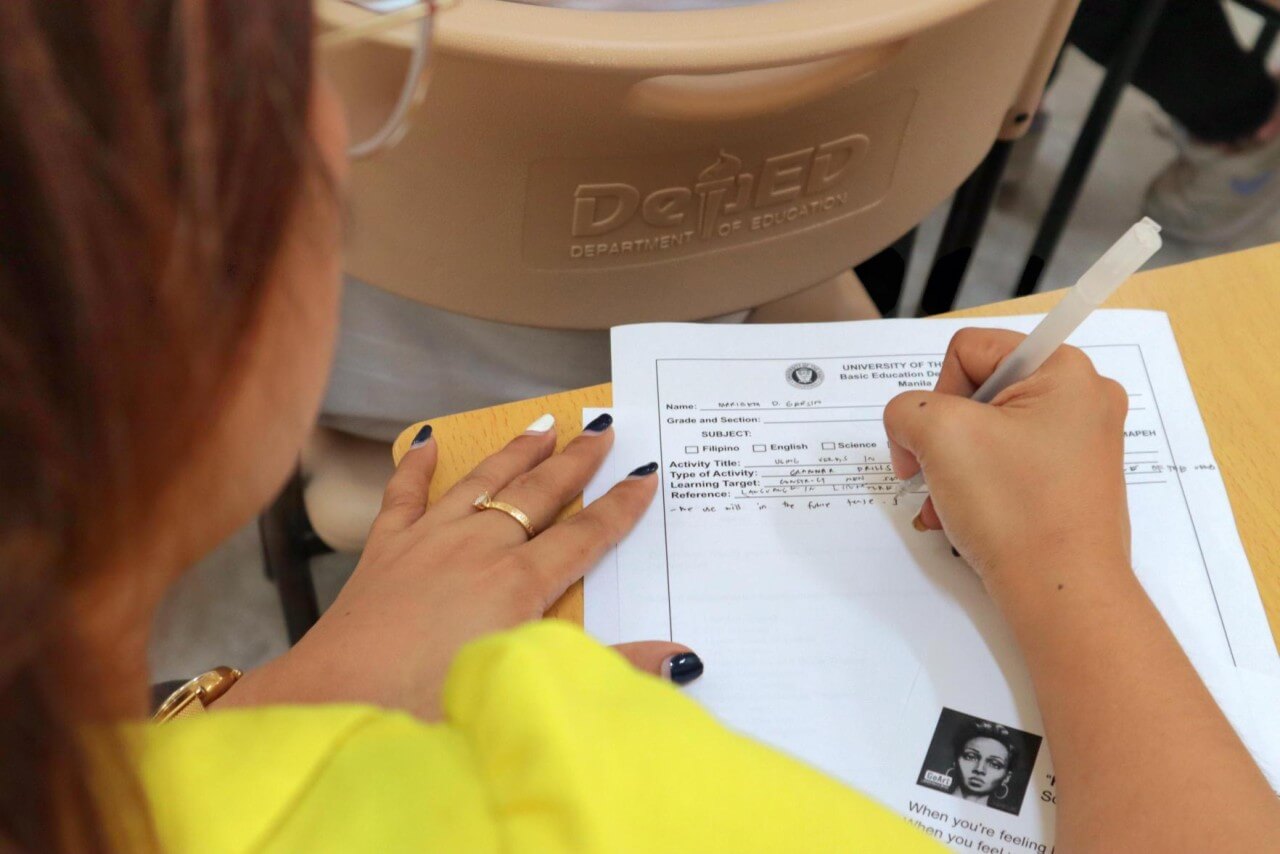
At the core of CVIF-DLP are Learning Activity Sheets—single-page guides that break down complex topics into manageable tasks completed at a student’s own pace with minimal teacher intervention.
“Writing forces students to slow down and process what they’re learning,” said Dr. Bernido. “When learners put their thoughts on paper, they’re not just recalling facts—they’re analyzing, organizing, and making sense of ideas. That’s where critical thinking begins.”
The program also introduces a parallel class system, allowing one expert teacher to manage three classes simultaneously with the help of facilitators, maximizing limited human resources.
Beyond academics, the program promotes strategic rest and study. Skills-based subjects such as music, arts, and physical education are scheduled midweek to give students a mental reset.
Homework is discouraged to ensure learning tasks are completed in school, although Learning Activity Sheets may be assigned during disruptions like severe weather or off-campus competitions.
The partnership
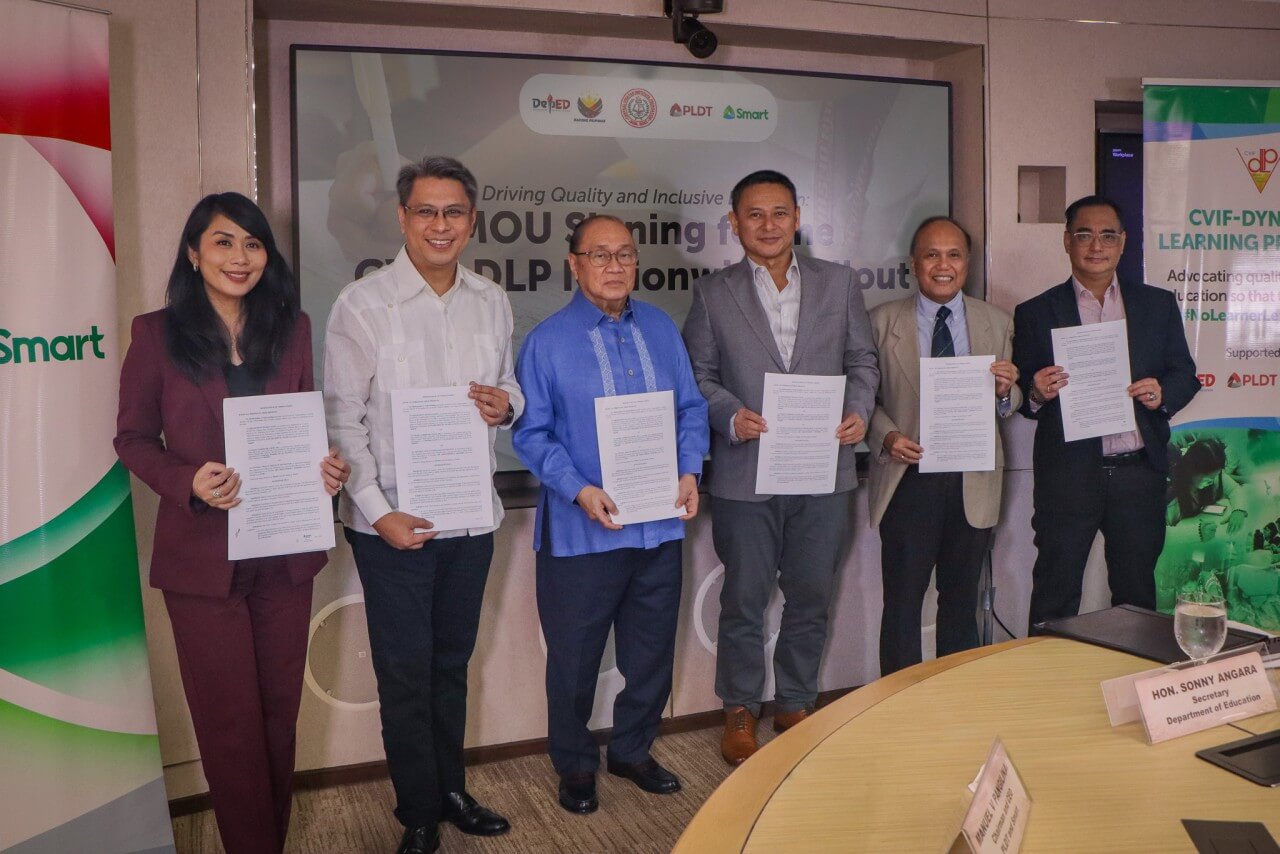
DepEd recently partnered with PLDT and Smart to expand CVIF-DLP to 450 schools, many located in disaster-prone areas. The program is also DepEd’s preferred learning option during emergencies, the press release said.
“Education continuity is critical, especially in communities that face recurring disruptions,” said Stephanie V. Orlino, AVP and head of Stakeholder Management at PLDT and Smart.
“Our partnership with DepEd and CVIF ensures that students can keep learning despite challenging circumstances. CVIF-DLP is more than a teaching strategy—it’s a lifeline for schools striving to deliver quality education under any circumstance.”
Since 2010, PLDT and Smart have helped train over 32,000 teachers and implement the program in more than 1,000 schools, reinforcing their advocacy for inclusive, resilient education aligned with DepEd reforms and global education goals. —Princess Daisy C, Ominga | Ed: Corrie S. Narisma