Insider Spotlight
The logistics provider is preparing to roll out a farm-to-market initiative in Aritao, Nueva Vizcaya, together with the Department of Trade and Industry-Supply Chain and Logistics Group, DTI Nueva Vizcaya, the local government of Aritao, and agri-tech firms Agro-DigitalPH and Mayani.
Why it matters
The project is designed to improve farm-to-market efficiency by linking farmers directly with buyers while maximizing backhaul logistics, or the use of delivery trucks’ return trips to carry cargo instead of going back empty.
In a press statement, FAST CEO for Logistics Manuel L. Onrejas Jr. said this could help reduce wasted trips and cushion consumers from rising food costs.
“In the face of rising fuel prices and food insecurity, strengthening backhaul logistics is an immediate and practical solution. Every empty return trip is a missed opportunity to move essential goods and ease cost pressures on consumers,” Onrejas said.
By the numbers
FAST estimates that around 70 percent of trucks on Philippine roads return empty after completing deliveries, adding to transport inefficiencies and widening supply chain gaps.
The company said these inefficiencies show up in food prices, which can reach up to three times the farmgate price in major urban centers because of multiple handling points, wastage, and underused transport capacity.
What’s changing
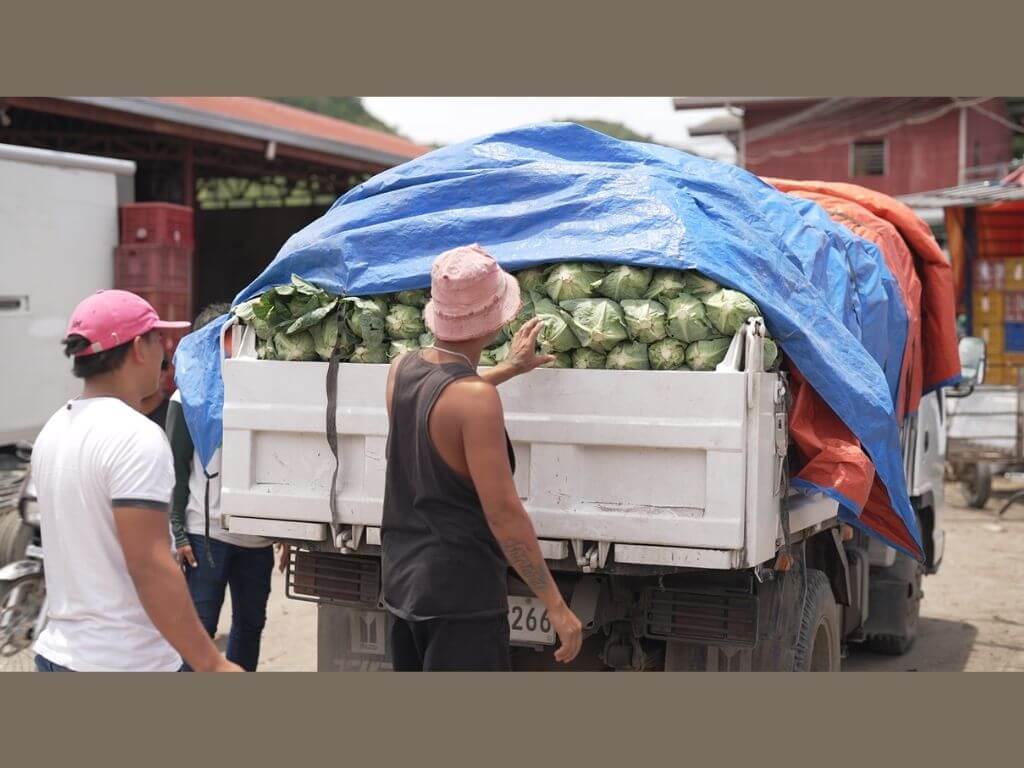
The consortium plans to establish an e-fulfillment and logistics facility in Aritao to help smallholder farmers meet institutional requirements and reduce reliance on intermediaries.
FAST said it will tap its nationwide network, including more than 3,100 trucks and over 2 million square meters of warehouse space with more than 1 million pallet positions, to move produce from Nueva Vizcaya to Metro Manila through otherwise empty return trips.
Agro-DigitalPH and Mayani will help farmers access markets such as supermarkets, hotels, and restaurants.
The bottom line
Nueva Vizcaya produces about 120,000 metric tons of vegetables annually, making it a key Luzon supplier. For FAST and its partners, turning Aritao into a logistics hub could professionalize the food supply chain, improve farmer incomes, and keep food moving more efficiently as fuel costs rise. —Vanessa Hidalgo |Ed: Corrie S. Narisma