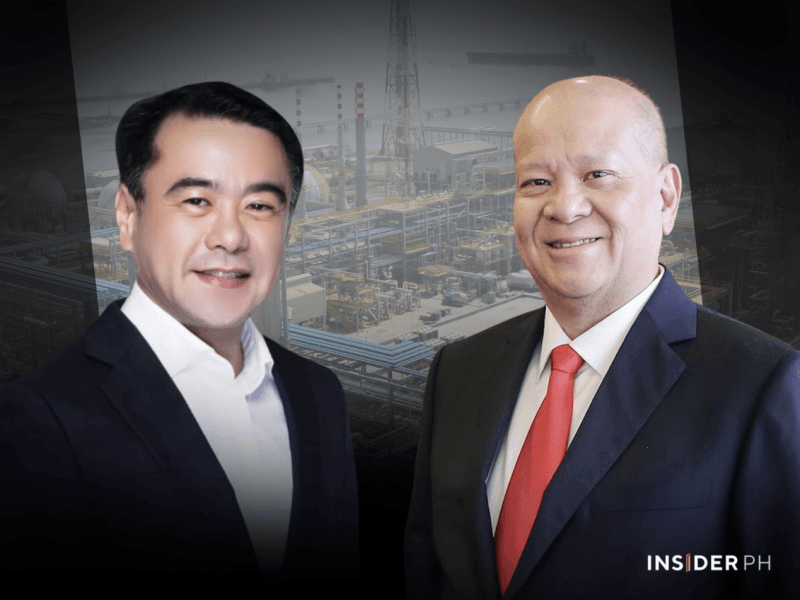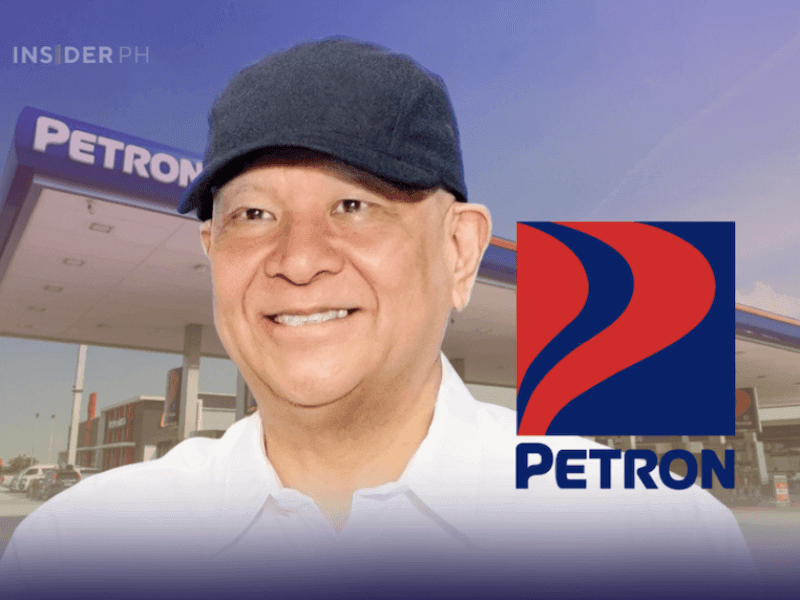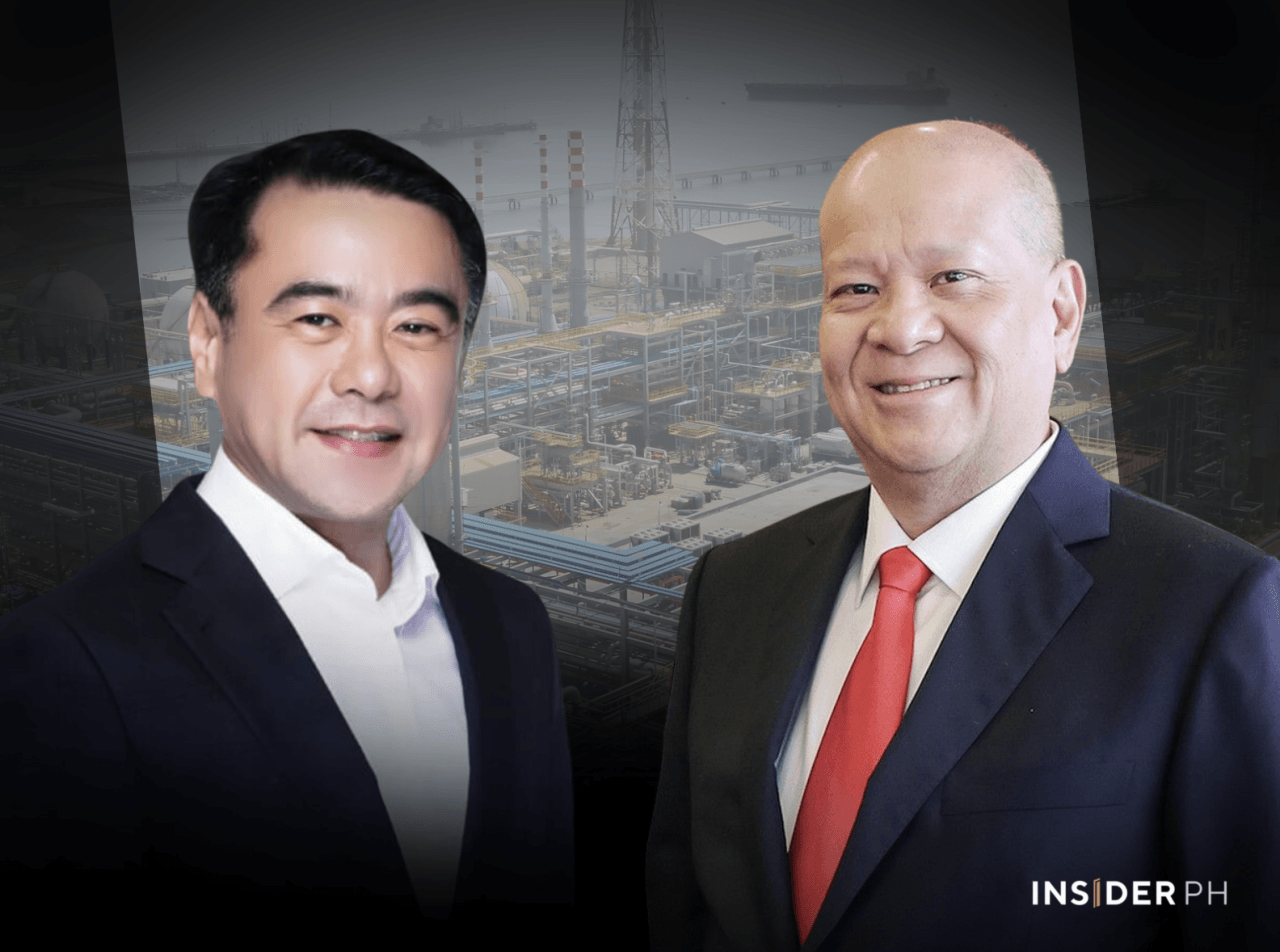
It echoes an event decades ago when a similar global oil shock in 1973 forced the first Marcos administration to take control of the company, then known as Esso Philippines.
With global supply routes now under strain from the US-Iran war and President Ferdinand Marcos Jr. facing an energy emergency, Ang is once again raising the question on the government’s role in times of crisis.
Maharlika in focus
This shifts attention to whether Maharlika Investment Corp. (MIC), which manages the country’s first sovereign wealth fund, could be tapped as a strategic buyer after it wrapped up its first major investment in Asian Terminals.
MIC CEO Rafael Jose "Joel" Consing Jr. told InsiderPH he is open to “state partnership” in the energy sector.
“Energy security underpins every sector of our economy. Because of its vital role in our national supply, a state partnership will be beneficial—and in today’s geopolitical environment—even a structural necessity,” he said in a text message on Friday.
“By co-investing in critical infrastructure and strategic reserves, we can build a permanent buffer for the economy, ensuring our energy security no matter what global shocks come next,” he added.
Consing says Petron should stay private
But Consing said any investment in the industry would need careful study, adding that his preference is for Petron, which operates the country’s only oil refinery, to remain under private sector leadership.
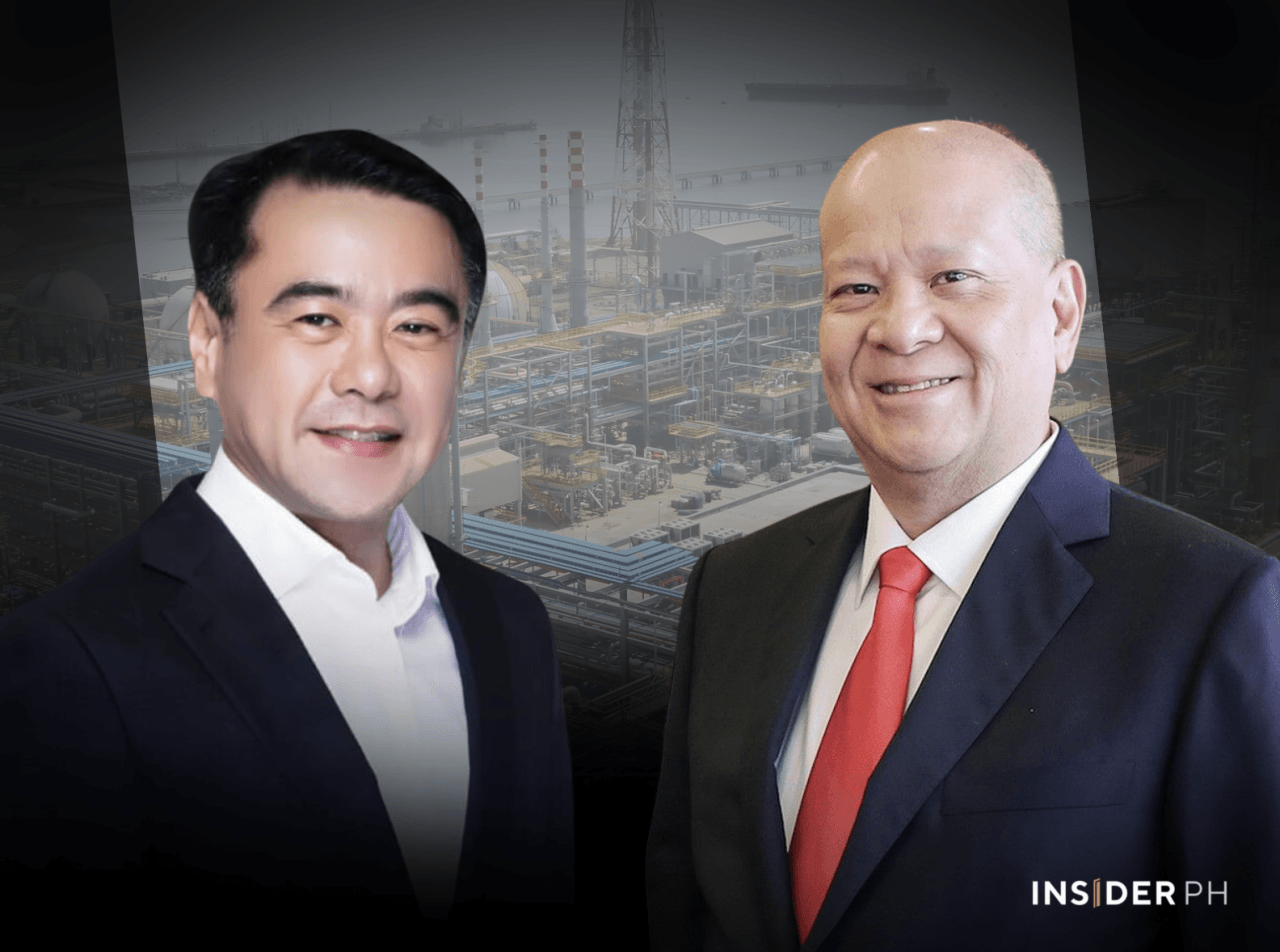
“Under RSA’s [Ramon S. Ang’s] leadership, Petron has grown into an exceptionally well-run company, and I firmly believe it belongs in the private sector,” he said.
“But conceptually, I believe a partnership with the private sector will yield better solutions than one initiated solely by the government. National resilience in these trying times requires a whole-of-country approach,” he added.
Market reaction
Petron shares traded higher on Friday after Ang’s statement, climbing 3.65 percent to P3.12 each on heavy volume.
From a financial standpoint, Petron is in a strong position after posting a record net income of P15.6 billion in 2025, up 84 percent from P8.5 billion a year earlier, as stronger refinery operations and tighter cost controls.
Operating income rose 28 percent to P37.3 billion from P29.2 billion.
Journey back to private hands
But Consing’s cautious stance also reflects lessons from history, when decisions made in the heat of crises carried long-term implications.
As the effects of the 1970s oil crisis faded, the government rebranded the firm to Petron and later decided it was better off being run by the private sector.
Petron was partially privatized in 1994, with Saudi Aramco, the world’s largest oil producer, and the Philippine government each holding shares alongside public shareholders.
In 2008, the Ashmore Group acquired these major stakes, paving the way for Ang-led San Miguel Corp. to take control by 2010.
Miguel R. Camus has been a reporter covering various domestic business topics since 2009.