Insider Spotlight
The context
The Philippines is grappling with a national energy emergency, with global supply chains strained by disruptions in key oil transit routes and persistently high fuel prices. Lawmakers have begun exploring whether government ownership of the country’s sole refinery could strengthen energy security.
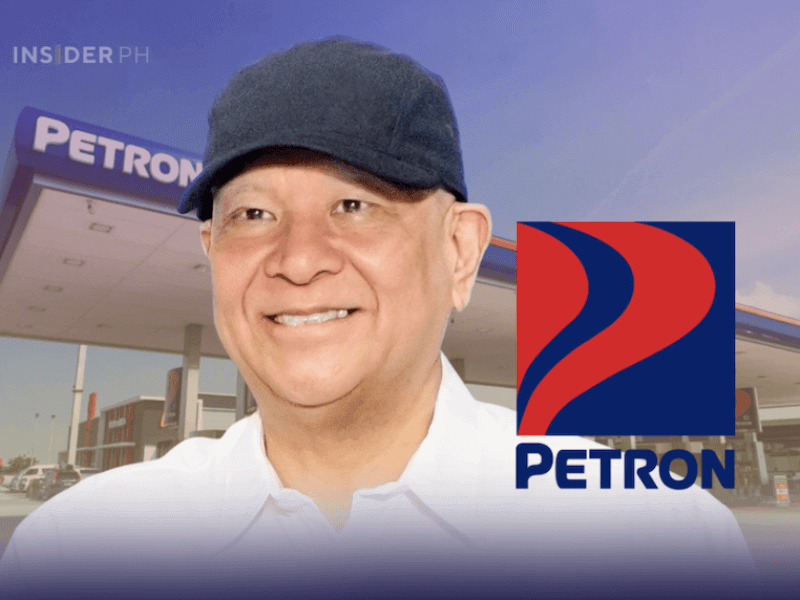
Ang said the offer to sell Petron Corp. remains on the table if officials determine that public ownership would better serve national interests.
“I first made this offer to Congress in 2021, and it remains open. If the government believes that Petron under it ownership will better serve the Filipino people especially in times like these, we are ready to sit down and make it happen,” Ang said.
What’s new
Ang outlined a flexible deal structure that would allow the government to acquire Petron in tranches, easing fiscal pressure during a constrained budget environment.
He emphasized that Petron has long been operated with a national, not purely commercial, mindset.
“We have never treated Petron as simply a profit center. We lost over P11 billion in 2020. We invested $2 billion to upgrade the Bataan refinery and kept it running even when it would have been easier to just import finished fuel, the way other oil companies chose to do. We did that because the country needs its own refining capacity. That has always been our reason,“ he said.
Why it matters
The Petron Bataan refinery processes 180,000 barrels per day and supplies about a third of the country’s fuel needs, making it a cornerstone of domestic energy resilience.
With global supply routes under pressure, Ang said the refinery’s role has become even more critical.
The bottom line
“This is not about who owns Petron,” Ang said. “This is about what is best for the country.” —Daxim L. Lucas |Ed: Corrie S. Narisma