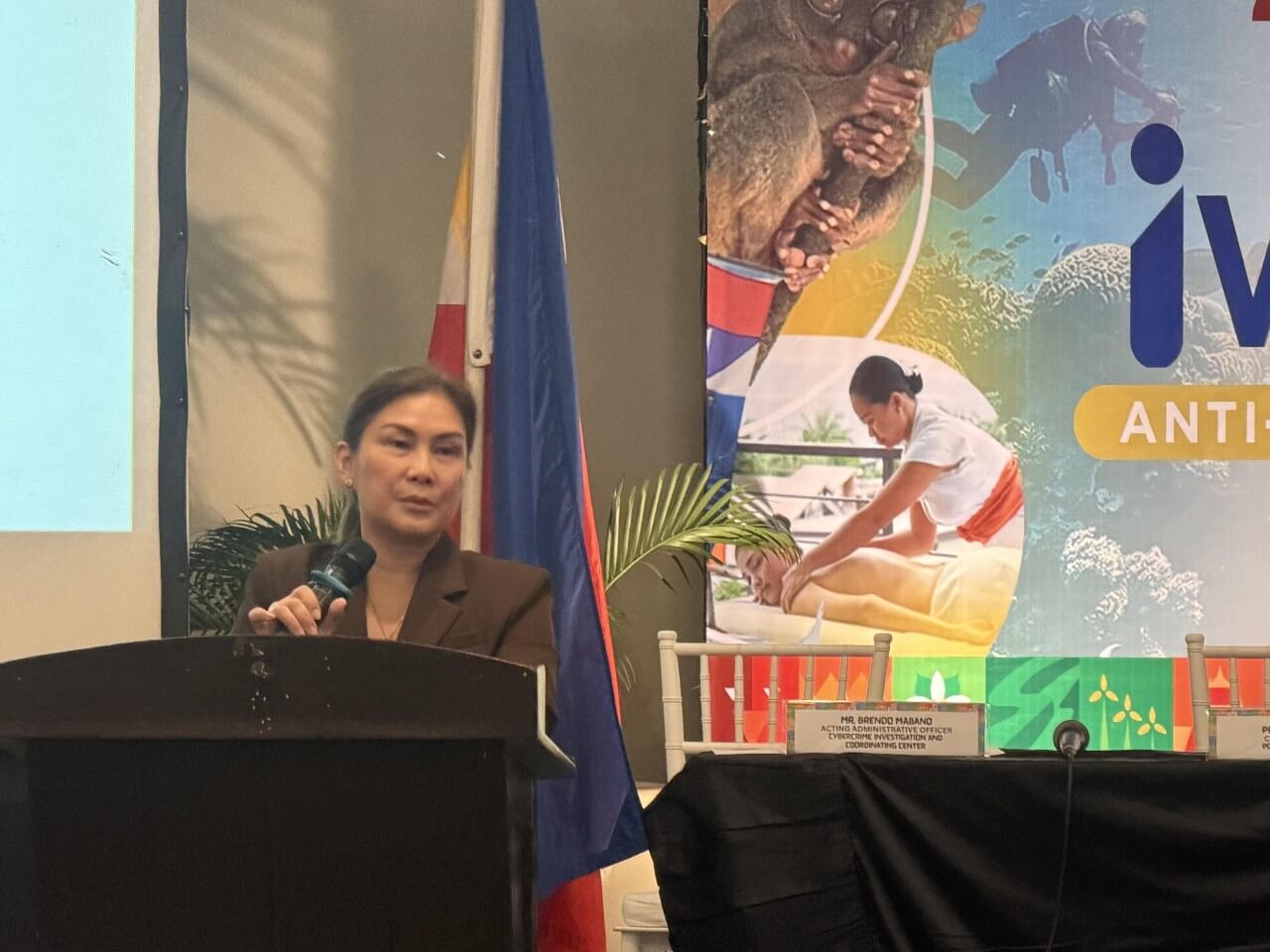
While there are two new laws created in addressing the rise of e-commerce and criminalizing the tools used by scammers, there remains no measure specifically tailored to booking-related fraud, said lawyer Cenelyn Manguilimotan Dalnay, chair of the tourism committee of the European Chamber of Commerce of the Philippines.
Dalnay noted that there is limited guidance on rapid, time-bound responses to digital impersonation targeting resorts and hotels. She also cited the lack of standardized verification of official booking channels and coordinated workflows among platforms and payment service providers to preserve evidence and prevent fraudulent transfers before funds are released.
“We're still investigating (complaints of online booking scam) but the funds have already been moved. The moment that we found out, there's no more money to recover,” said Dalnay, also COO of Parklane Hotel and Resort.
Data breaches
She proposed the creation of a “Hotel and Resort Online Booking Anti-Scam Act” to address the growing problem. The proposed measure aims to protect guests from financial loss and data breaches, while safeguarding the reputation of establishments and strengthening consumer trust in Philippine tourism.
Among its salient points were:
Anti-booking scam campaign
The proposal was raised during the launch of the “Turista iWas Scam” program on March 24, a campaign that aims to protect travelers from falling prey to online booking scams. It provides tips on how to spot fake Facebook pages of establishments, identify red flags when booking accommodations, and access a hotline for reporting online scam incidents.
According to Department of Tourism in Central Visayas (DOT-7) records, more than P1 million was lost to online booking scams involving travelers from September 2025 to March this year.
Marlon Barrientos, officer-in-charge of the DOT-7 Tourism Regulation Division, said 23 establishments in Cebu reported 183 scamming incidents while 15 cases in Bohol that targeted three establishments.
"These figures highlight the seriousness of the issue and the urgent need for a stronger coordinated response," he added.
DOT-7 Director Gelena Asis-Dimpas said the agency has received reports of online impersonation on platforms such as Facebook and Instagram, where fake accounts pose as legitimate hotels, resorts, and travel agencies.
“These deceptive practices have resulted in financial losses of our visitors, operational disruption of establishments, both DOT accredited and non-accredited, and damages to the credibility and trust that our tourism industry worked so hard to build. And to me, this is the most costly of it all,” she said.
New cases
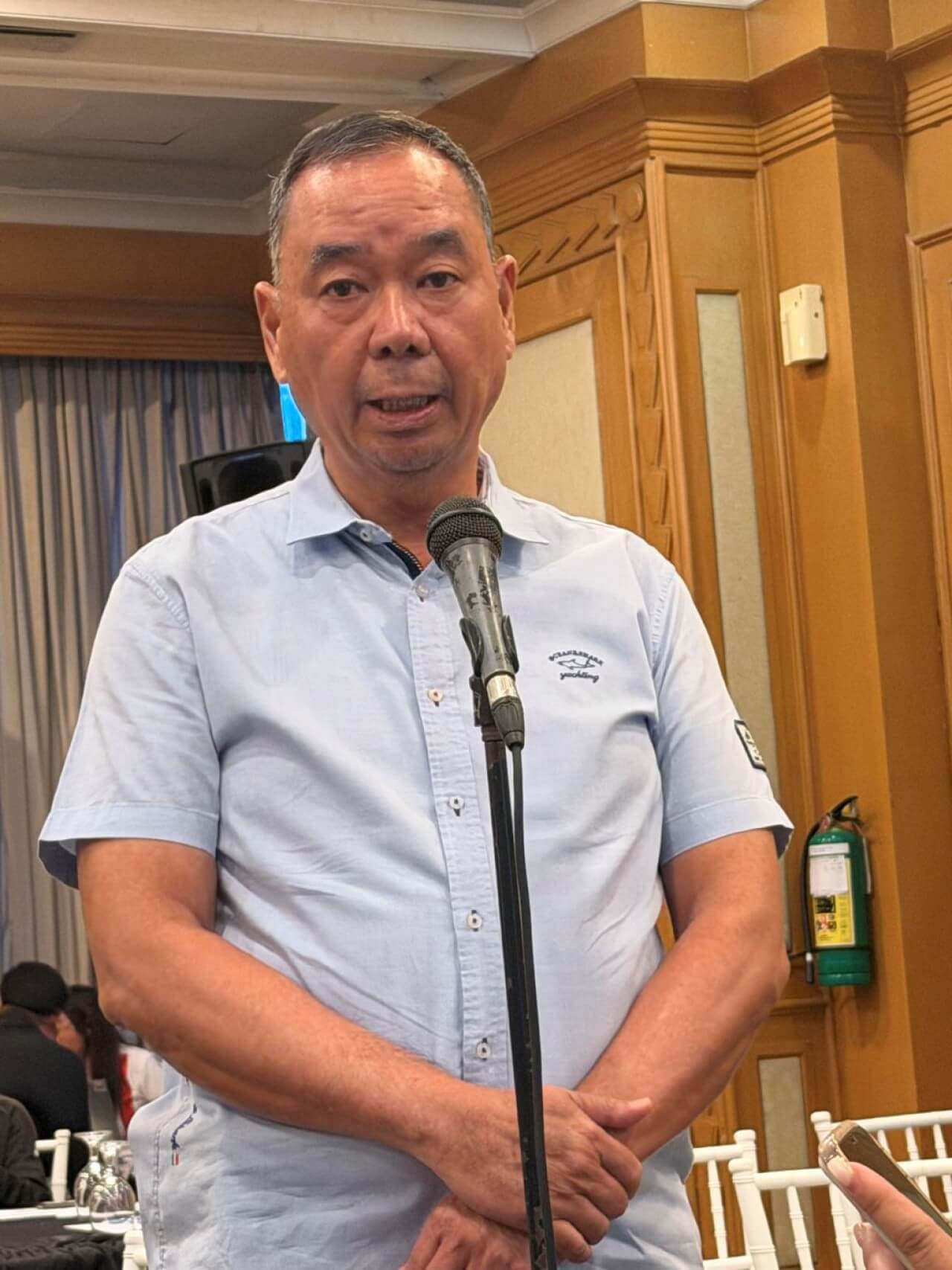
During the launch, Nelson Yuvallos, president of the One Island Tourism Association (OITA), said his hotel on Bantayan Island—a prime Cebu destination known for its white sand beaches and heritage churches—was targeted by scammers again last week.
He said one guest of Anika Island Resort lost P125,000 to fake bookings, while another was scammed out of P55,000.
Yuvallos expressed frustration that while millions in government funds were reportedly allocated to anomalous flood control projects, the growing problem of online booking scams affecting the tourism industry has not received sufficient attention.
He said OITA has considered investing in high-tech solutions to combat the scams, but the cost—estimated at P500 million—is beyond their capacity without government support.
“Guests would cry in front of us because they used their hard-earned money for a family vacation, only to find out they had no rooms,” he said.
He urged the government to take immediate action and shut down fraudulent booking sites, particularly those operating on Facebook.
Ignored
Yuvallos said he had written dozens of letters to Facebook to report 34 fake accounts posing as Anika Island Resort.
However, the complaints were not acted upon, and the platform instead deleted the resort’s legitimate Facebook page, which had 34,000 followers.
He said one way to address the issue is to enact a law that would compel platforms like Facebook to promptly remove fraudulent accounts, noting that the longer these remain online, the more people are likely to be victimized. —Ed: Corrie S. Narisma

Contributor