Insider Spotlight
Why it matters
The Philippines’ biggest third-party logistics provider said inefficient delivery systems are adding avoidable costs that could eventually be passed on to consumers, especially as oil prices remain volatile amid global conflicts.
The push follows a consultation organized by the Department of Trade and Industry and the Supply Chain Management Association of the Philippines with major FMCG companies and retailers.
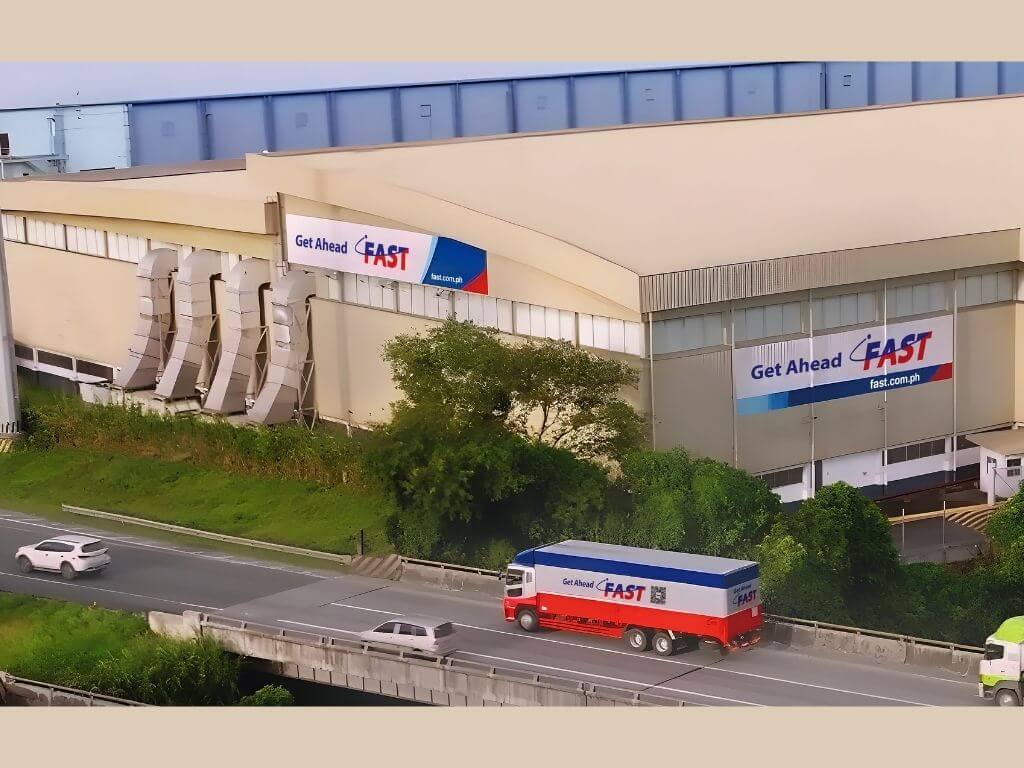
What FAST is saying
“Every direct-to-store delivery should create value, not waste,” Manuel L. Onrejas Jr., CEO for Logistics of FAST Logistics, said in a press statement on March 18, 2026.
“With Flow by FAST, we eliminate half-empty trucks and unnecessary trips so FMCG companies can move goods to retail stores more efficiently, lower logistics costs, and keep shelves stocked despite rising fuel prices,” he added.
By the numbers
FAST said about 56 percent of trucks delivering FMCG products to retail distribution units are running at only 32 percent to 40 percent capacity. That underutilization adds to congestion at receiving bays in supermarkets, groceries, and shopping centers.
The company also said many FMCG firms still use smaller vehicles such as AUVs, which can cost as much as 61 percent more than larger six-wheeler trucks.
How co-loading works
Under FAST’s Flow by FAST model, multiple companies share space in one truck and pay only for the capacity they use. Shipments are consolidated at cross-docking hubs across Luzon, Visayas, and Mindanao, then sorted and dispatched to retail outlets based on receiving schedules.
FAST said the model reduces empty miles and fuel use, improves turnaround times, and allows for more efficient single-drop deliveries using larger trucks.

The bigger picture
FAST said wider co-loading adoption could ease traffic congestion, cut carbon emissions, and improve product availability and affordability, particularly in Visayas and Mindanao where transport costs are higher.
What’s next
FAST said the model can be deployed quickly using its existing facilities and digital systems, but success depends on tighter coordination between FMCG companies and retailers on schedules, bay management, and delivery planning.
“We are offering this solution as a plug-and-play solution using our existing facilities that already serve modern trade. We already have the digital and physical infrastructure in place, and we are ready to begin as soon as our partners are,” Onrejas said. —Vanessa Hidalgo | Ed: Corrie S. Narisma