The expansion, formalized on Feb. 11, 2026, signals a strategic shift toward deeper public-private collaboration to address longstanding bottlenecks in disaster response, global trade integration, and inter-island connectivity.
Strengthening national resilience
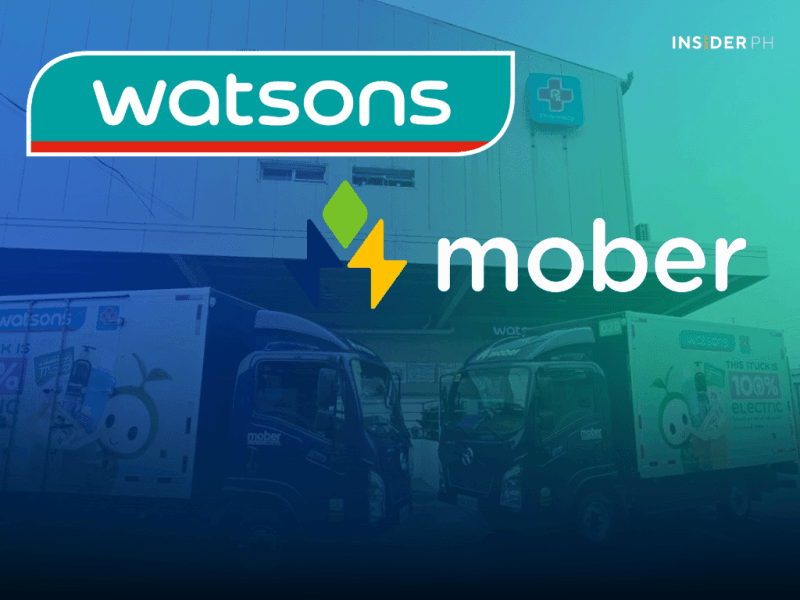
At the core of the initiative is the mobilization of private fleets during national emergencies. By partnering with transport leaders such as Toyota Motor Philippines and Victory Liner, alongside green logistics provider Mober, the DTI aims to ensure that essential goods—including food, medicine, and relief supplies—continue moving even when calamities disrupt regular operations.
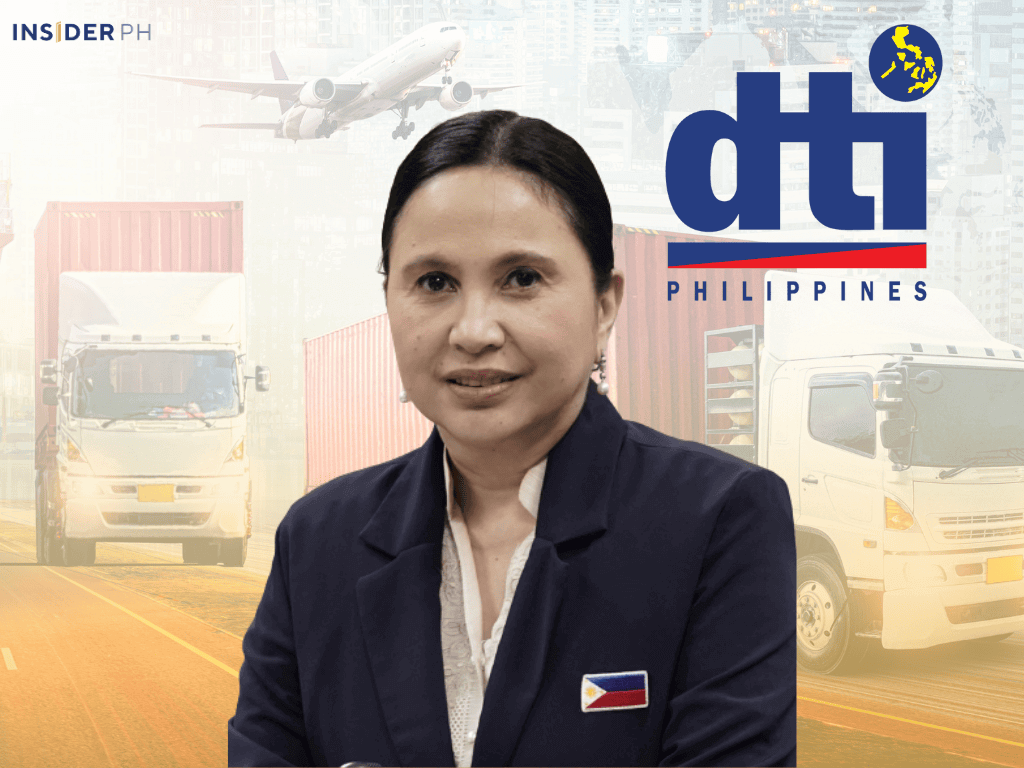
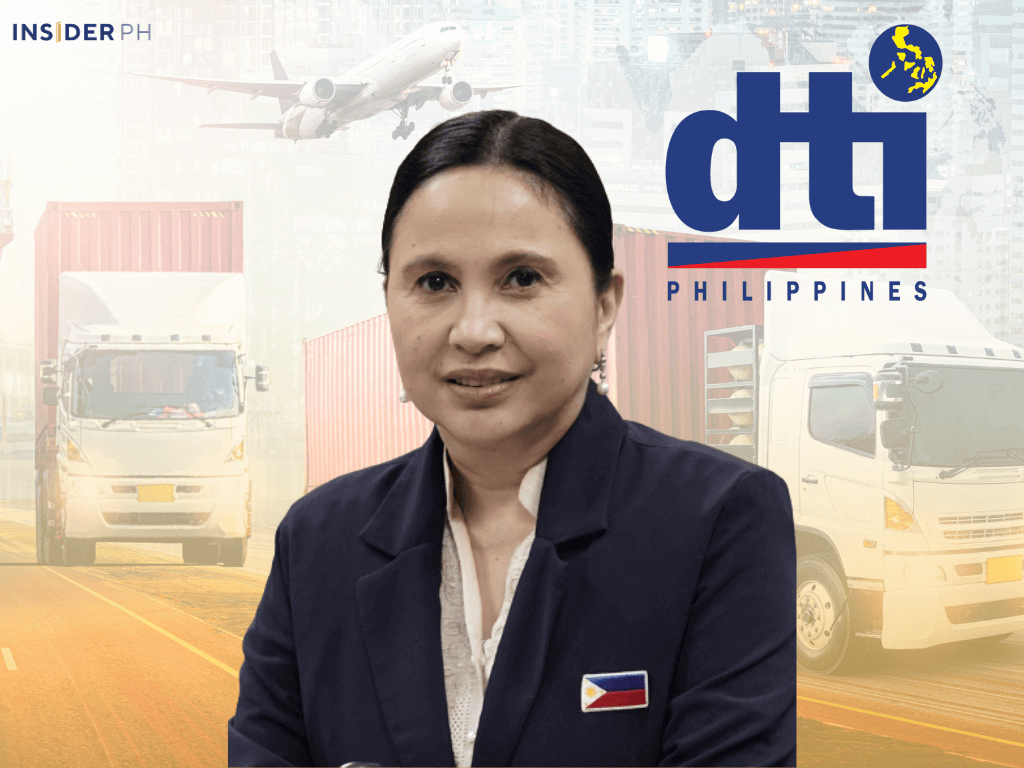
“Logistics is a vital pillar of our national resilience,” Trade Secretary Cristina A. Roque said in a statement. “By integrating these industry leaders into our network, we are ensuring that essential supply chains remain operational even under challenging conditions.”
The strategy seeks to prevent supply disruptions that often drive up prices and delay aid during typhoons and other disasters.
Boosting export competitiveness
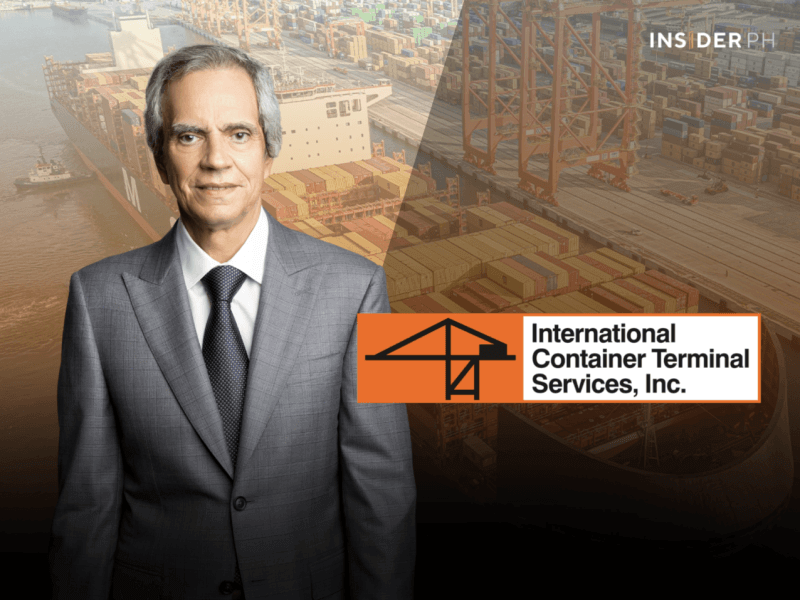
With Philippine exports on an upward trajectory, the DTI is also aligning domestic logistics capacity with global demand. The inclusion of the Association of International Shipping Lines (AISL) and the Philippine Chamber of Customs Brokers Inc. is expected to streamline linkages between local manufacturers and international markets.
By strengthening coordination among shipping lines, customs brokers, and freight operators, the agency aims to reduce delays, improve compliance processes, and enhance the overall efficiency of export transactions.
The move is seen as critical to sustaining trade growth while positioning the Philippines as a more reliable hub in regional supply chains.
Lowering domestic costs
Beyond exports, the DTI is tapping the “last-mile” expertise of major courier firms such as J&T Express, Shopee Xpress, and JRS Business Corporation to improve inter-island logistics.
The goal is to make it as affordable and efficient to ship goods between provinces as it is within Metro Manila—an important step in reducing price disparities across the country’s more than 7,600 islands.
Under President Ferdinand R. Marcos Jr.’s leadership, Roque said the government is modernizing the logistics ecosystem to eliminate geographic barriers that have long constrained trade.
Empowering small enterprises
Central to the initiative is the Supply Chain and Logistics Center (SCLC), established in June 2025 as a one-stop hub for micro, small, and medium enterprises (MSMEs).
Through its online portal, MSMEs can access real-time service referrals and regulatory guidance designed to cut costs and simplify compliance.
The event also marked the activation of the SCLC Guild, an advisory body of industry veterans providing pro bono technical assistance to help small businesses optimize delivery routes and reduce overhead expenses.
Roque said the strengthened logistics network will enable MSMEs to expand beyond their local markets.
“By empowering small businesses to move their products seamlessly across the country, we are ensuring that the quality of Filipino goods is matched by the speed and reliability of our logistics,” he said.
The second batch of SCLC partners includes shipping lines, fintech groups, freight operators, and transport companies, building on the 18 founding partners that pledged support during the center’s launch last year. —Ed: Corrie S. Narisma