Insider Spotlight
In a statement, the country’s largest point-to-point logistics and transportation provider said it is strengthening capabilities across land, air, and sea to support businesses and consumers in an increasingly digital and interconnected economy.
The big picture
The Philippine logistics sector continues to benefit from rising domestic consumption, infrastructure development, and the rapid expansion of online commerce. Industry estimates place the logistics market at more than $55 billion as of 2024, with steady annual growth expected through the end of the decade.
E-commerce alone is projected to surpass $28 billion in 2025, driving strong demand for reliable fulfilment, tracking, and nationwide delivery services.
What 2GO is doing
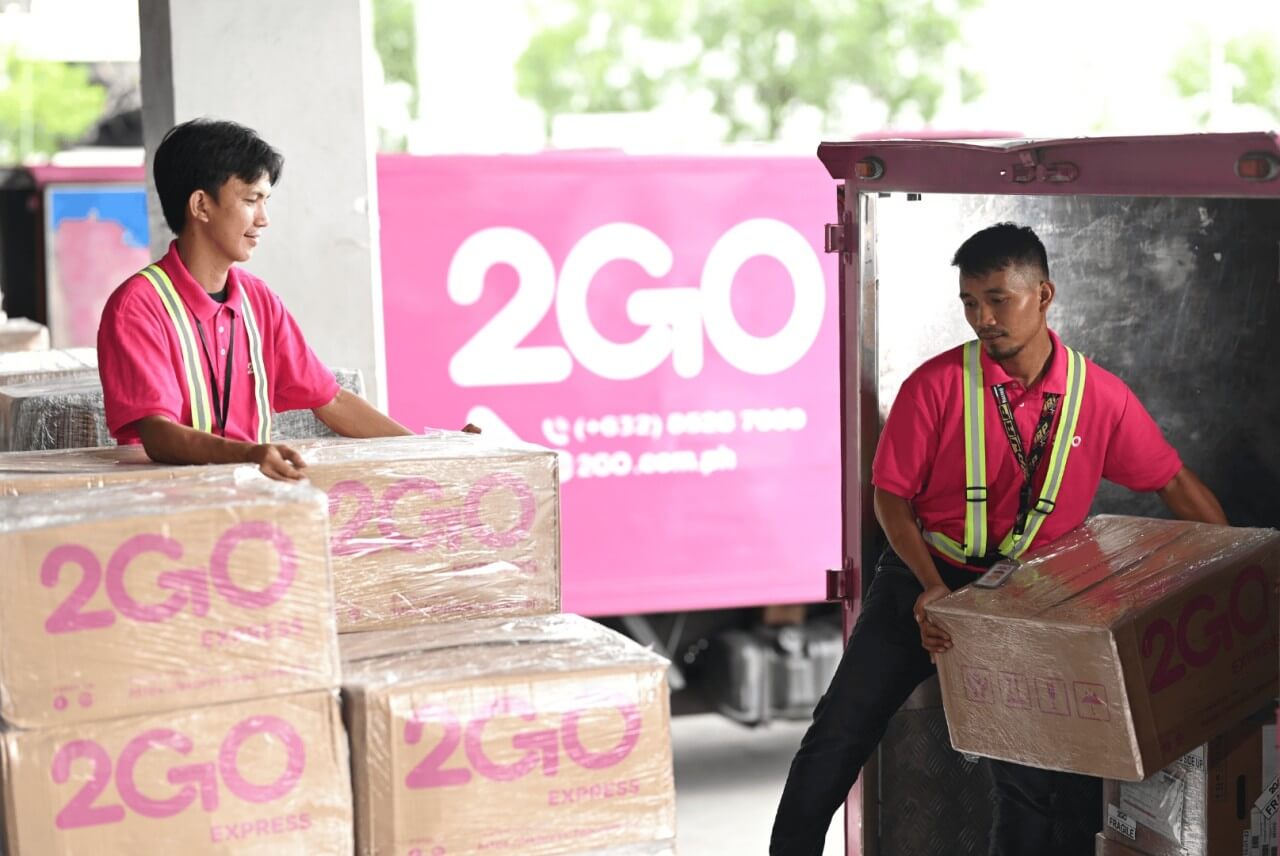
2GO said it is expanding its express and e-commerce fulfilment services, supported by nationwide pickup, sorting hubs, last-mile delivery, and digital tracking platforms. These capabilities are designed to help enterprises, small businesses, and online sellers reach customers more efficiently across the country’s geographically dispersed markets.
Beyond last-mile delivery, the company continues to strengthen freight forwarding and special container services, including temperature-controlled and customized cargo solutions. These offerings support manufacturers, agribusiness firms, and exporters that rely on secure inter-island and international cargo movement.
Why it matters
As logistics becomes more central to economic activity, reliability and integration are emerging as key differentiators.

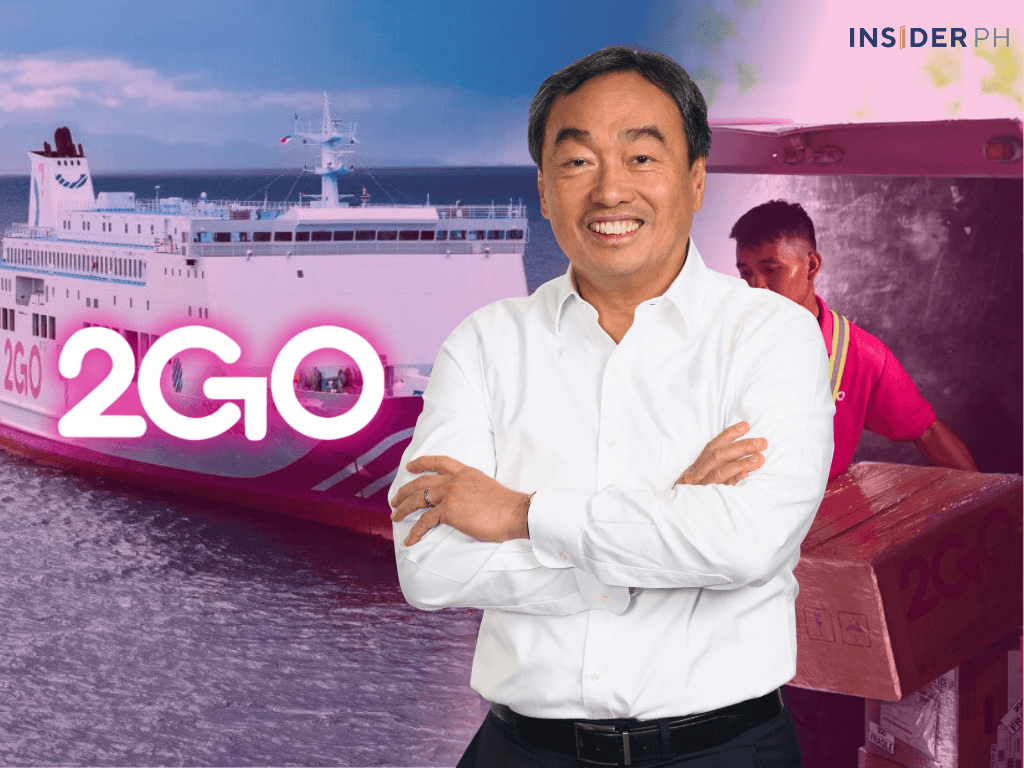
“Our outlook for 2026 is anchored on building smarter and more responsive logistics solutions that support economic activity where it matters most,” said Frederic DyBuncio, president and CEO of 2GO Group Inc. “As the Philippine economy grows, logistics becomes even more essential.”
Sea-based advantage
2GO’s sea travel and ROPAX (Roll on, roll off + passengers) operations remain a core pillar of its multimodal strategy. By connecting major and secondary ports, the company enables the movement of passengers alongside essential goods.
Recent investments in port and passenger terminal infrastructure are helping strengthen connectivity between Luzon, Visayas, and Mindanao, supporting inter-island trade and mobility.
What’s next
Looking ahead, 2GO said it will continue investing in operational efficiency, asset utilization, and customer-focused solutions to simplify logistics for clients of all sizes.
“Growth today requires flexibility and integration,” DyBuncio said, underscoring the company’s aim to make logistics a catalyst for inclusive national development. — Daxim L. Lucas | Ed: Corrie S. Narisma