
Cebu Pacific CEO Michael B. Szucs said the country’s travel sector was being held back by major infrastructure gaps, including the lack of longer runways and navigation gear capable of handling larger jets from domestic and international carriers.
“A terminal can be a warehouse with air conditioning, toilets and a coffee shop,” he said during the Aviation Leadership Summit at the Singapore Airshow last Feb. 3.
“Let’s not think that we’ve got to build a Changi,” he added, referring to Singapore’s sprawling airport complex that is often ranked among the world’s best gateways.
Investments in terminals, while important, often neglect critical airside infrastructure.
Big picture
Long runways, for example, are needed to accommodate larger planes with more passengers, helping bring down costs that are ultimately reflected in ticket prices.
What’s more, these can spur competition from international airlines seeking to fly directly to destinations, instead of passengers having to transit via Manila’s Ninoy Aquino International Airport, which continues to face slot constraints.
It’s essentially a supply-and-demand issue. Limited capacity leads to higher fares, while bigger jets, more seats, and stronger airline competition raise supply, thus balancing demand and cost pressures.
Getting strategic with upgrades
“What we do need is a runway. The first thing we need is a nice long runway, as long as you can make it, which has lights. Because some of the runways in the Philippines are daylight operations only,” Szucs said.
“And then it will work. And then the airlines will come, then the tourists will come, and it will be great for everyone all around,” he added.
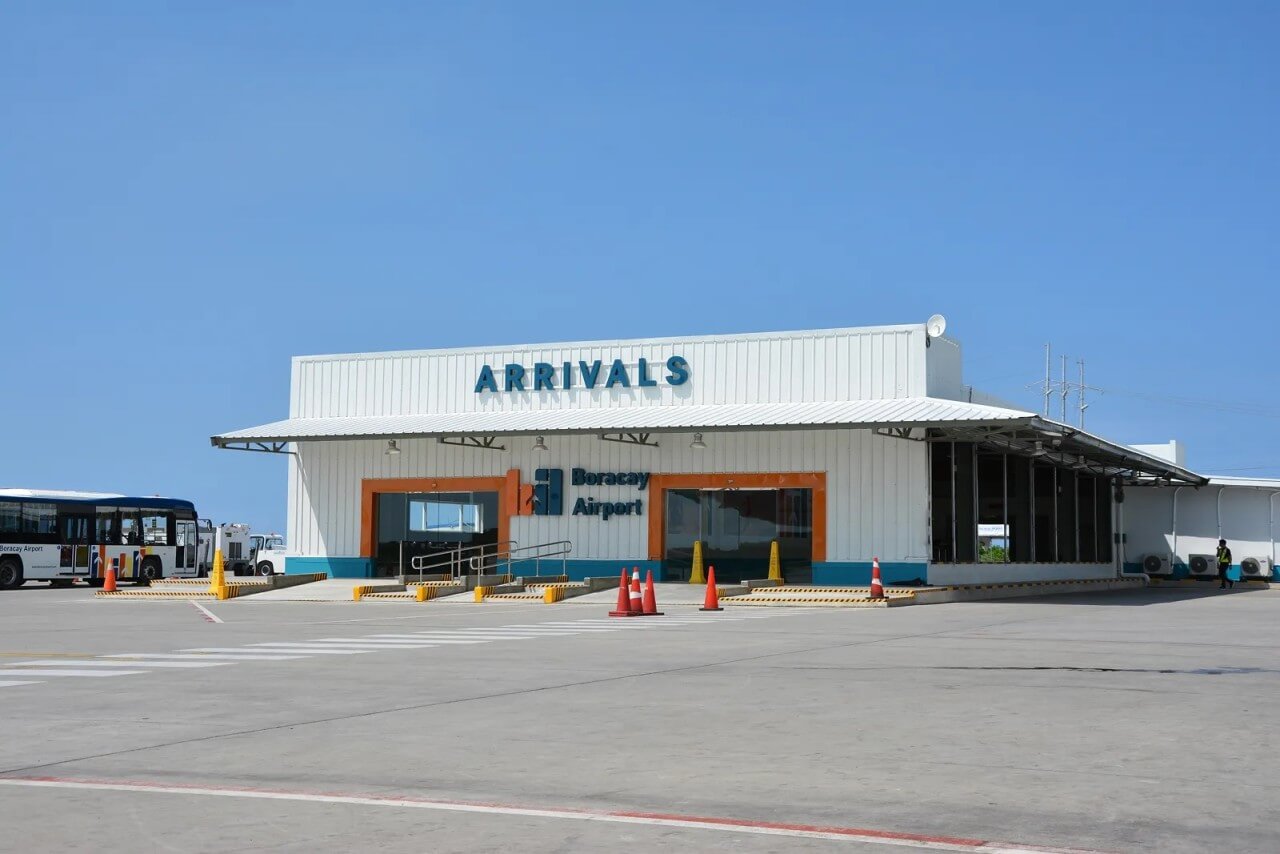
One example is Boracay Airport, which has a basic terminal but a runway that can handle larger jets like an A321neo, helping Boracay island lure millions of passengers annually.
Challenges to scaling up
A shorter runway means passengers are limited to turboprop operations, which have significantly less carrying capacity.
These remain essential in an archipelago like the Philippines, but infrastructure limits can restrict growth as demand rises and an airline decides larger aircraft are needed.
“I would love for us to be standard A321neos across the board. But the reason we have ATRs is because there are some runways in the Philippines that simply aren’t long enough to take a jet,” Szucs said during the same event.
Meanwhile, the Department of Transportation began work in mid-2025 on a new passenger terminal at Siargao Airport.
The new project will give travelers a more comfortable terminal experience but will still not address capacity constraints at the popular destination, known for its world-class surfing and nightlife, but also for its relatively high airfares.
In the end, airports can look better, but only runways allow growth to take off.

Miguel R. Camus has been a reporter covering various domestic business topics since 2009.