Insider Spotlight
Business districts in Makati, Taguig, Pasay, and Parañaque host dense concentrations of offices, malls, residences, and transport hubs. Ensuring public safety in these areas is increasingly seen as a prerequisite for sustained economic activity, investor confidence, and community well-being.
What’s happening
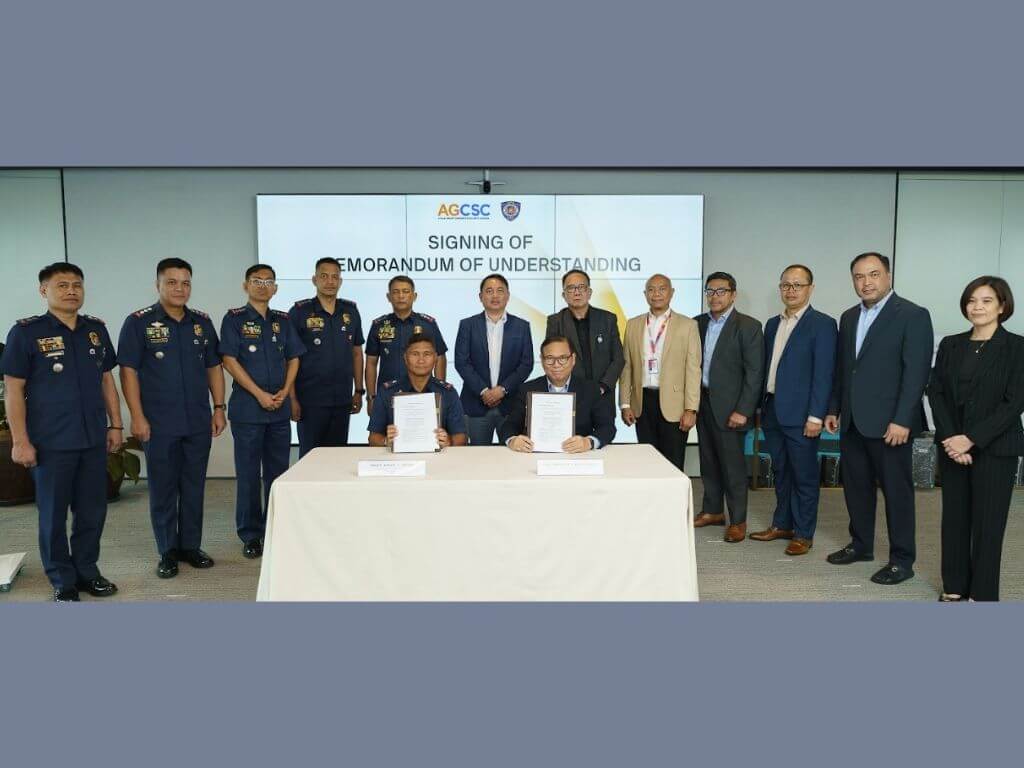
Ayala Group Corporate Security Council representatives signed a Memorandum of Understanding with the Southern Police District and city police chiefs in late January, formalizing a long-standing working relationship.
The agreement brings together security teams from Ayala units including ACEN, Ayala Land’s Ayala Property Management Corp., BPI, Globe, and the Makati Development Corp.
What they’re saying
“At Ayala, we firmly believe that security is fundamental to resilience and sustainable growth. The safety of our people, our assets, and the communities where we operate is not only a corporate responsibility but a shared obligation that requires close and continuous collaboration with our public sector partners,” Ret. Gen. Manny Bautista, Ayala Corp. managing director and head of security management, said in a press statement on Feb. 5, 2026.
“Public safety works best when the public and private sectors work together … Our reach and effectiveness increase when we align with partners who invest in prevention and rapid response,” said Police Brig. Gen. Randy Arceo, Southern Police District director.
How it works
Under the partnership, Ayala and the police district will coordinate on joint patrols, public safety campaigns, information sharing, and collaboration in crisis response and crowd management.
These measures are designed to improve incident response times, strengthen crime prevention and deterrence, and enhance preparedness during large-scale events.
The bigger picture
Southern Metro Manila remains one of the country’s most active commercial corridors, drawing daily foot traffic from workers, shoppers, and residents.
Creating safer environments in these districts supports not just security outcomes but also business continuity and urban livability, aligning with broader sustainability and resilience goals.
What’s next
Both parties framed the agreement as an evolving collaboration rather than a one-off initiative, signaling continued coordination as security risks and urban dynamics change.
For Ayala, the partnership underscores a strategy that integrates safety into long-term growth across its real estate, banking, telecommunications, and energy businesses.
The bottom line
As Philippine business hubs grow denser and more complex, partnerships like this highlight how shared responsibility between the private sector and law enforcement is becoming central to keeping cities safe, competitive, and open for business. —Vanessa Hidalgo | Ed: Corrie S. Narisma