Insider Spotlight
Passenger traffic at NAIA reached 52.02 million for the year, marking the highest annual total ever recorded for the airport, according to a statement released on Thursday, Jan. 1, 2026, by New NAIA Infra Corp., the private operator of the facility.
Why it matters
The milestone highlights both the recovery and expansion of Philippine air travel, while placing renewed focus on infrastructure readiness and operational efficiency at the country’s busiest airport.
December proved to be a standout period. NAIA handled 4.86 million passengers during the month, making it the busiest month in the airport’s history. International travelers totaled 2.367 million, the highest monthly figure on record, while domestic passengers reached 2.495 million, the second-largest monthly volume ever logged.
Between the lines
The figures reflect total airport activity, including domestic travel, outbound and returning Filipino passengers, business trips, and connecting flights. The mix signals broad-based demand rather than growth driven by a single segment.
Despite heavier traffic, airport operations remained stable even during peak travel periods. NNIC attributed this to a series of operational improvements rolled out throughout 2025.
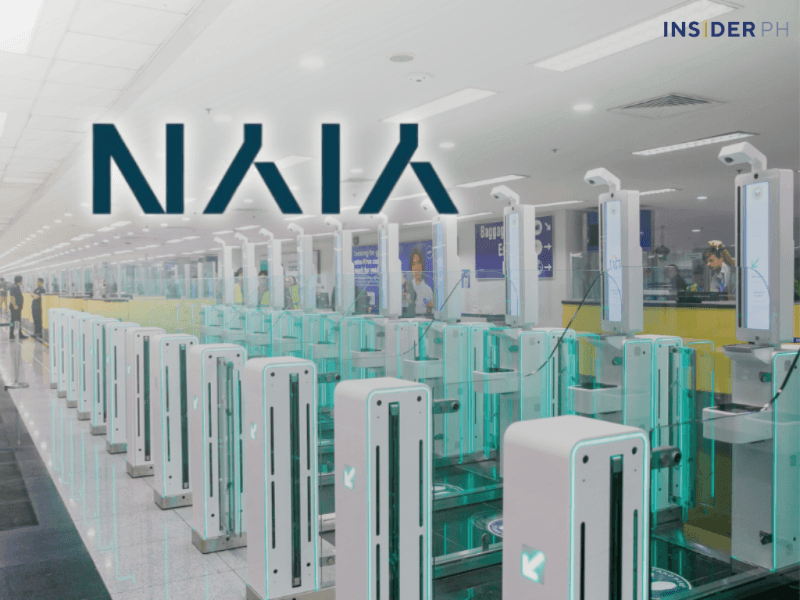
These included the deployment of new biometric immigration e-Gates funded by NNIC, upgrades to passenger processing systems, enhancements to terminal facilities, and closer coordination among airlines, government agencies, and other airport stakeholders.
What they’re saying
“Managing higher passenger volumes requires both infrastructure and close coordination,” NNIC said. “The focus has been on improving flow, reducing bottlenecks, and ensuring the airport can handle peak demand more effectively.”
Zoom in
Passenger-centric initiatives implemented during the year were designed to improve efficiency, safety, and the overall airport experience. NNIC said it worked closely with government partners to support smoother end-to-end travel for passengers.
Context
NAIA serves as the Philippines’ main aviation hub, supporting both domestic and international operations. Under a public-private partnership arrangement, NNIC is responsible for the airport’s operations, maintenance, and modernization, while ownership remains with the government.
What’s next
With record traffic now established as the new baseline, pressure is likely to mount on both the operator and policymakers to accelerate long-term upgrades and capacity expansion to keep pace with future demand.
— Edited by Daxim L. Lucas