Insider Spotlight
Why it matters
Congestion and infrastructure constraints at the Ninoy Aquino International Airport (NAIA) have long been a bottleneck for airlines.
With Cebu Pacific now operating nearly 550 daily flights systemwide, any operational friction at Manila directly affects network performance. The airline says those pain points are beginning to ease.
What they’re saying
Cebu Pacific executives repeatedly pointed to better coordination and visible fixes at NAIA.
Airline president and chief commercial officer Xander Lao noted that repairs and enhancements across terminals and taxiways have been noticeable, even if they temporarily caused delays.
“We quite welcome [the repairs]. We do want to see the infrastructure improve,” he said, adding that improvements already done by NNIC have been meaningful for operations.
He also emphasized the strong working relationship with the new airport managers.
“There is really the level of collaboration we have with the airport authorities, not just in Manila — it’s really across the network,” Cebu Pacific marketing head Candice Iyog added.
The big picture
Cebu Pacific stressed that Manila’s slot capacity remains structurally limited, but the NNIC concession requires increasing movements from forty-two per hour to forty-eight.
Lao said the airline is “hopeful” these enhancements will materialize as terminals and new taxiways are completed. For now, Cebu Pacific is optimizing its existing slots through aircraft "upgauging" — meaning using larger aircraft that can accommodate more passengers in a single flight.
What’s next
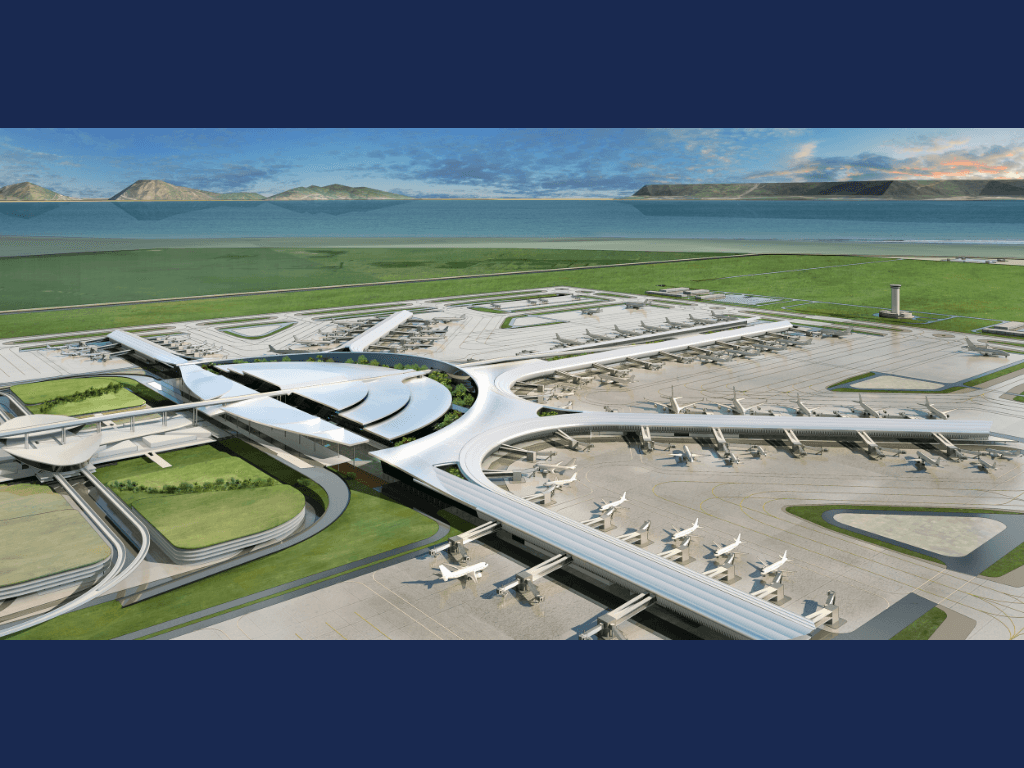
Still, the executives were clear: NAIA improvements help, but the true long-term solution is the new San Miguel airport in Bulacan.
Lao called it the “next game changer,” noting its planned capacity of up to one hundred million passengers per year. Even an initial phase of fifteen to twenty million passengers “will relieve a lot of the slot pressure and a lot of the capacity pressure that airlines are feeling today,” he said.
Why Cebu Pacific is optimistic
The carrier believes Bulacan will unlock genuine expansion, supporting its major aircraft orders and broader growth plans. Better infrastructure, executives said, completes the final missing ingredient in the Philippines’ aviation story.
For Cebu Pacific, NAIA’s early gains under NNIC and the promise of Bulacan signal a future where Philippine air travel can finally grow without constraints — and the airline is positioning itself ahead of that curve. — Daxim L. Lucas | Ed: Corrie S. Narisma