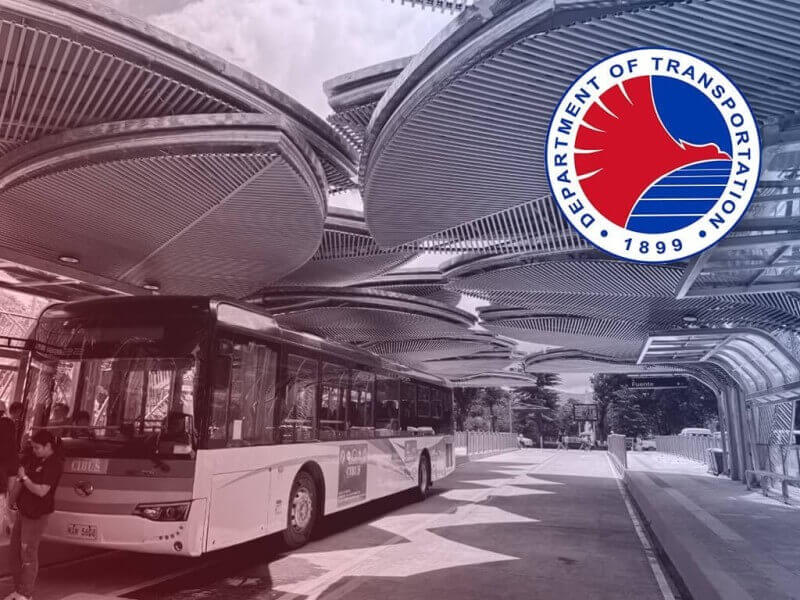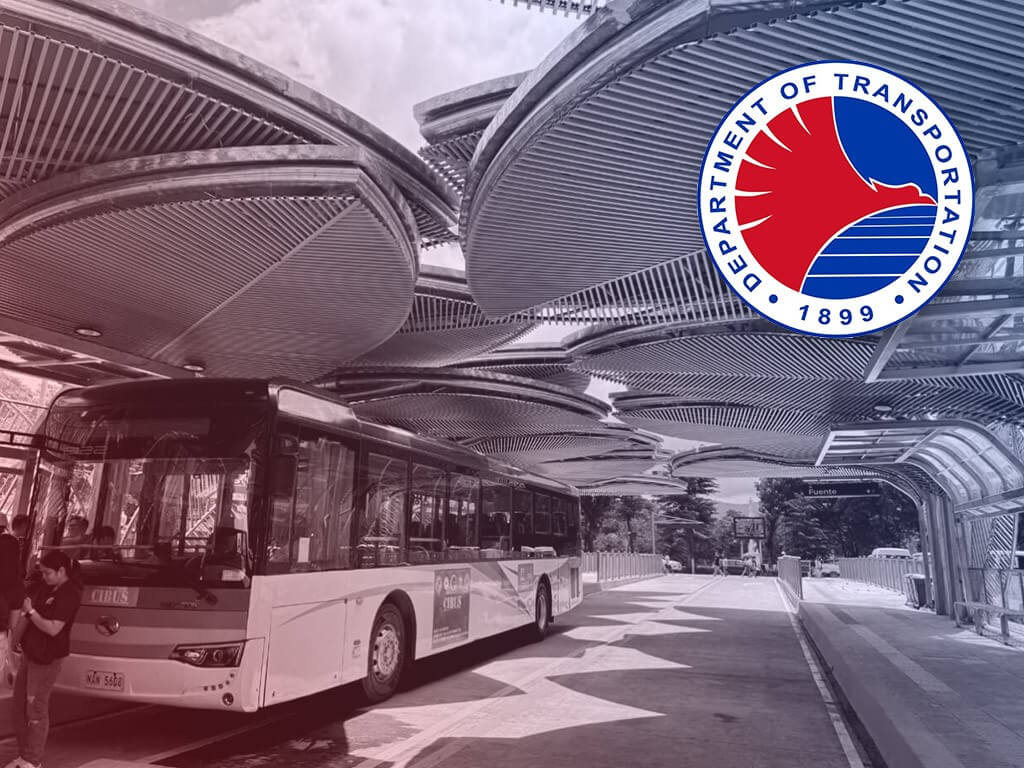
Overall, the rollout was generally successful, said Councilor Winston Pepito, chair of the City Council’s transportation committee, who had been monitoring the CBRT implementation, the first of its kind in the country.
Pepito said some passengers who didn’t understand how the bus transit worked became upset when buses did not stop in areas where they wanted to disembark.
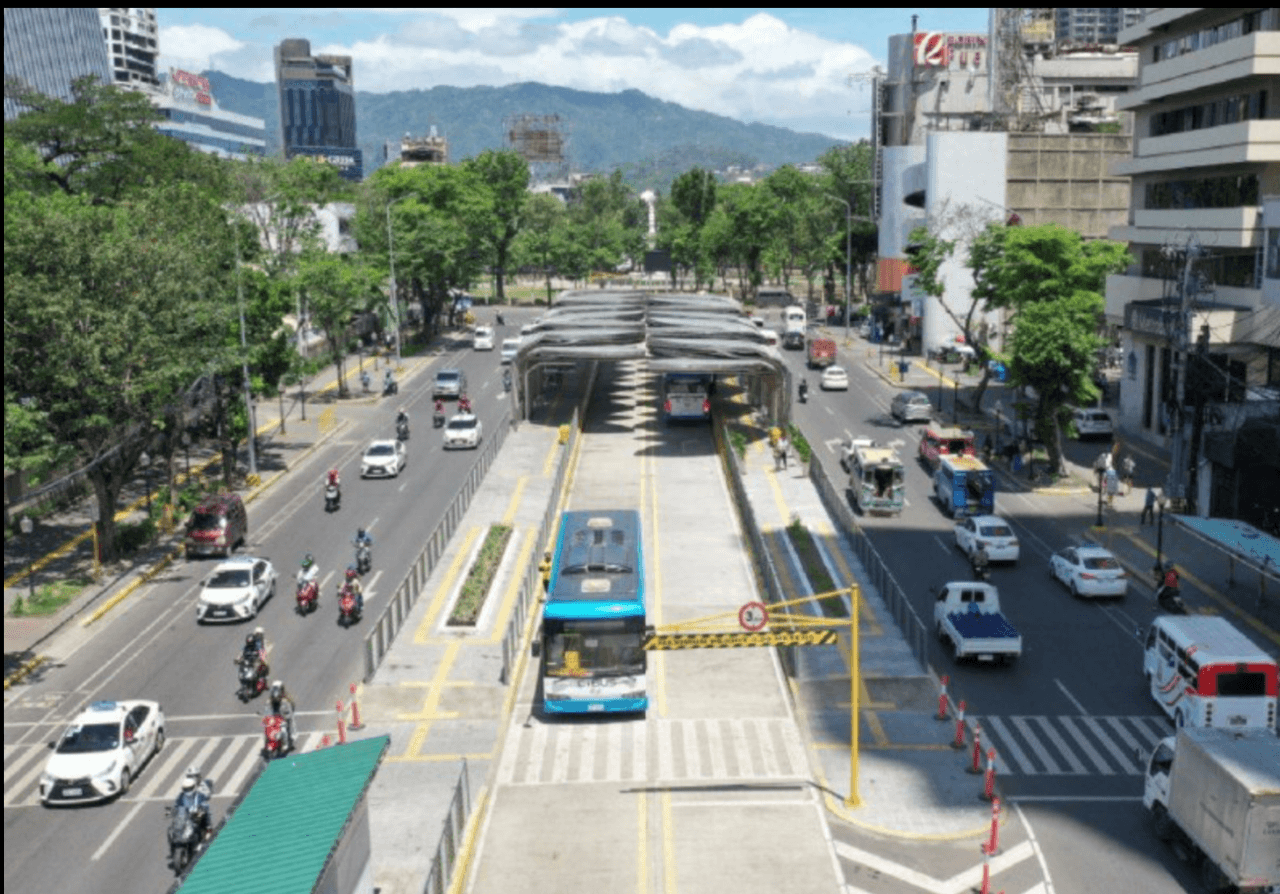
“They thought the buses were operated like traditional jeepneys. It had to be explained to them that they could only go down at the bus stations,” he told InsiderPh.
A commuter who rode one of the buses to Cebu IT Park said the ride was smooth, although the 30-second stop at each station and the rule requiring passengers to board and disembark only at stations still needed to be explained clearly to commuters.
Delayed implementation
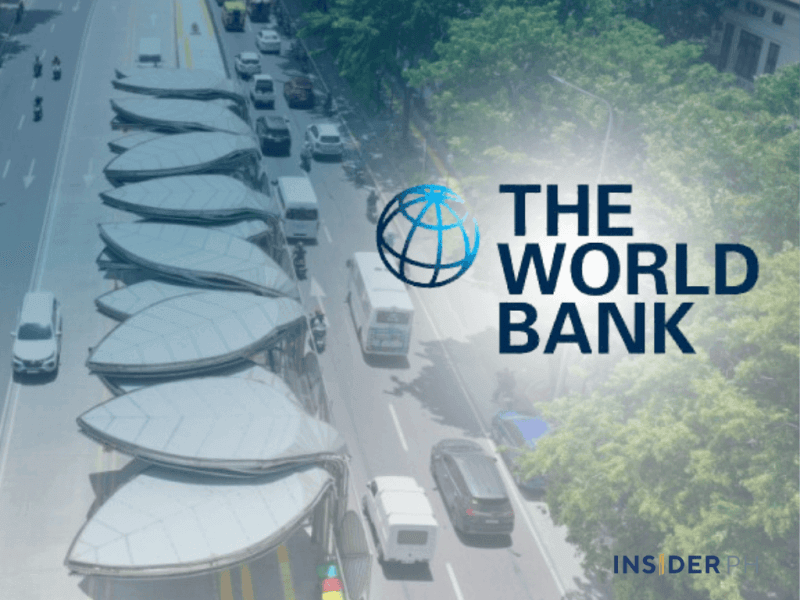
The CBRT, a P28.78-billion project funded by the World Bank, finally hit the road on March 13, after years of delay caused by, among others, land acquisition issues, logistical and political problems, including disagreements among government agencies.
The delays earned an “unsatisfactory” rating from the funding agency and caused the partial completion of the project. The loan package would expire in September 2026 but only phase 1 was completed, which pushed the Department of Transportation (DOTr) to consider public-private partnership for phases II and III of the project.
Free rides
At least 17 of 30 approved units were deployed during the first day of the rollout, offering free rides to commuters between Il Corso at the South Road Properties (SRP) and Cebu IT Park in Barangay Lahug—a distance of about 10 kilometers.
The free rides, funded by DOTr’s Libreng Sakay program, would run for a year to encourage commuters to experience the CBRT.
Bus driver Paul Purgatorio said traffic conditions were manageable during the early hours, noting that congestion was usually experienced during peak periods —6 a.m. to 9 a.m. and 5 p.m. to 8 p.m.
The buses were also full during peak hours. Some passengers were seen standing in the aisle.
But Pepito said the ride was comfortable since the buses were wide and air-conditioned.
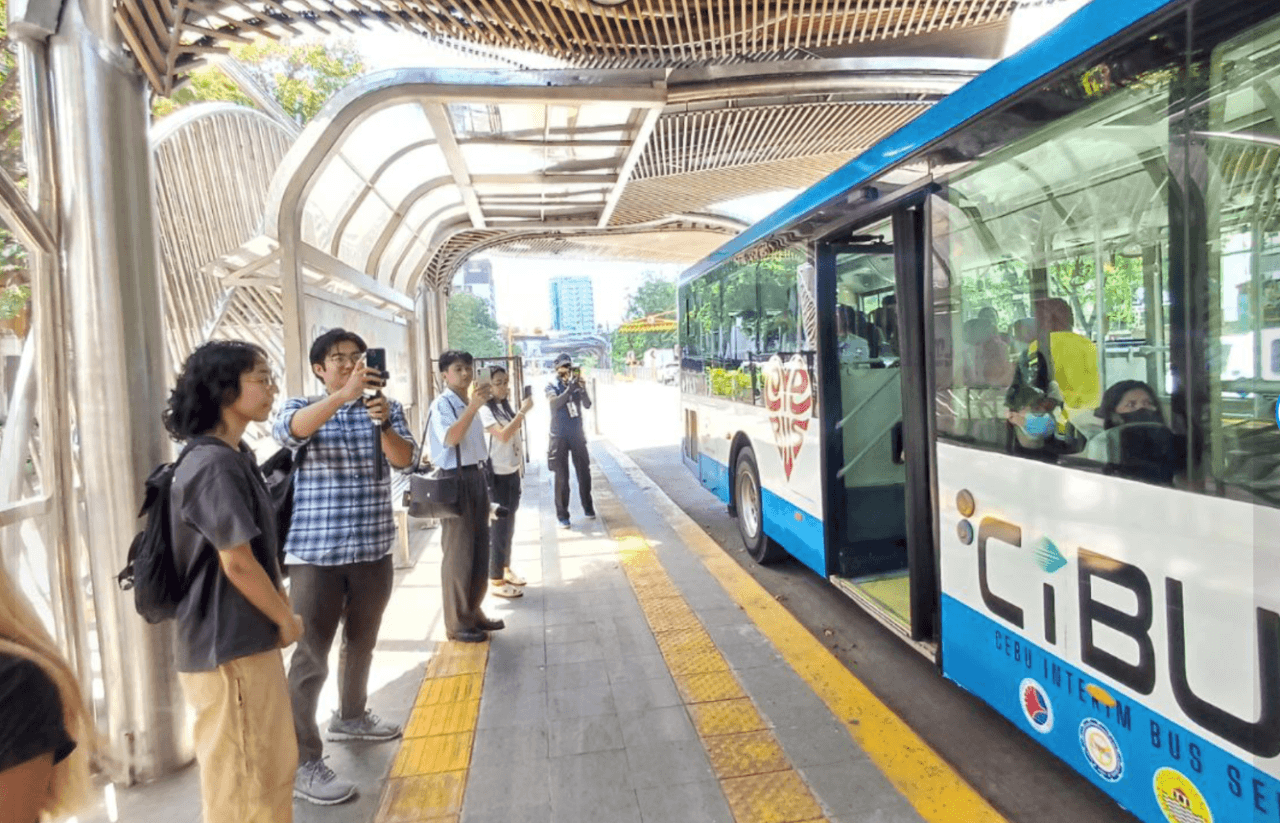
The councilor said he took one of the buses at Il Corso about 10 a.m. and reached Cebu IT Park about 40 minutes later — a trip that would usually take about an hour and 30 minutes using ordinary passenger buses.
He said traffic along Natalio Bacalso to Fuente Osmeña Rotunda, which formed part of Phase 1, was faster due to the median lanes dedicated to CBRT buses. Delays were experienced only in intersections where there were traffic lights.
But it slowed down outside the Phase 1 corridor, especially along the busy Escario Street since the buses would have to compete with other public utility vehicles and private vehicles.
Pepito said the public would fully appreciate the CBRT system if there were dedicated median lanes in the entire route so the buses would not run in mixed traffic.
Appeal to BBM
He said he wrote a letter to President Marcos Jr. through Executive Secretary Ralph Recto last month, asking the administration to fast-track the full implementation of the CBRT project in order to fully address the city’s worsening traffic problem and inadequate mass transport system.
Now that the World Bank’s funding would end in September, he added he remained hopeful that phases 2 and 3 of the project —which included the construction of additional dedicated median lanes and bus stations—would still proceed even through PPP.
Pepito said the completion of the project could become the legacy of the Marcos administration in Cebu. —Ed: Corrie S. Narisma

Contributor