Insider Spotlight
The initiative underscores Epson’s broader sustainability push under its “Engineered for Good” campaign, aligning corporate innovation with on-the-ground environmental solutions.
Why it matters
Coastal municipalities like Pio Duran sit on the frontlines of marine conservation. Weak waste systems at the barangay level often lead to plastic pollution that threatens fisheries, tourism, and biodiversity in protected seascapes.
By the numbers
Five padyak (tricycle) collection units deployed across three barangays now enable more consistent waste pickup, collecting an average of 367.5 kilograms of mixed waste and 132.5 kilograms of plastic weekly.
Six segregation bins installed in high-traffic areas gather up to 21 kilograms of waste per week, helping curb leakage into mangroves and coastal waters.
How it works
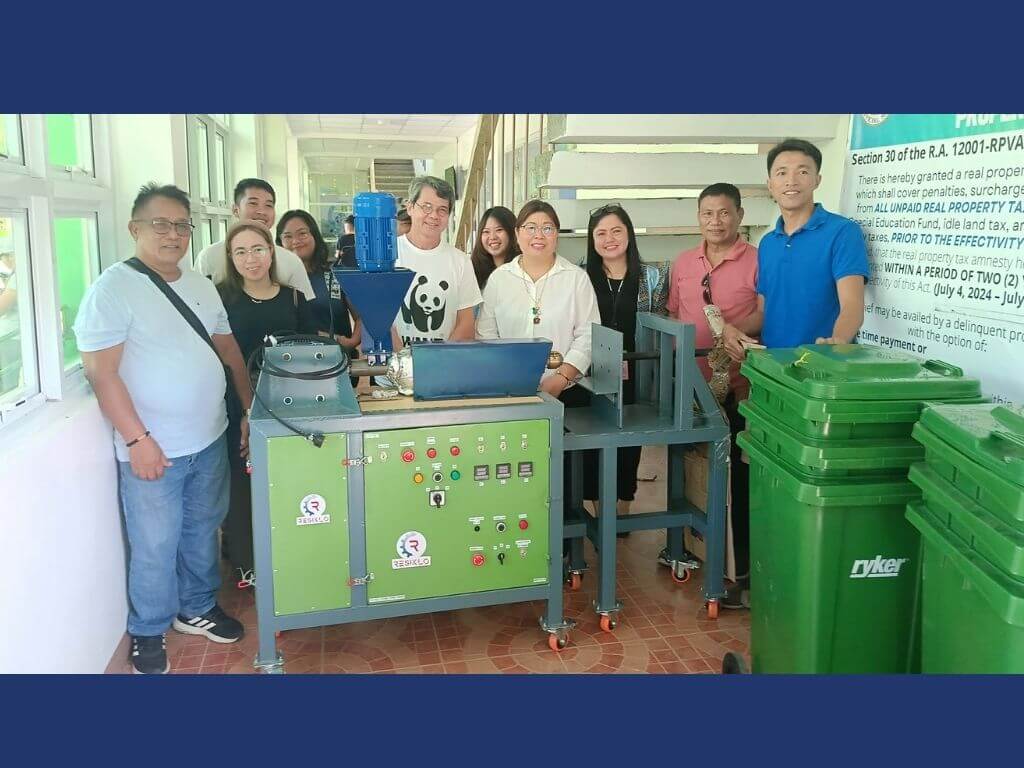
The project combined infrastructure upgrades with capacity building. A plastic extruder was introduced to complement an existing shredder, allowing communities to convert waste into eco-bricks and reduce dependence on external disposal systems.
Training sessions involving 65 participants from 19 barangays also led to updated solid waste management plans, setting a three-year roadmap for sustained improvements.
Community impact
Cleanup drives mobilized 100 volunteers and removed over 200 kilograms of waste from mangrove areas vulnerable to accumulation. These efforts reinforced awareness and shared responsibility among residents.
Masako Kusama, president and director of Epson Philippines Corp., said in a press statement, “Engineered for Good reflects how we approach our role in society. We apply our technology and work with partners in ways that create value that can be sustained over time. Collaboration with partners like WWF and local communities helps ensure that these efforts are relevant, practical, and able to continue.”
The bottom line
The Pio Duran model highlights how localized, partnership-led waste solutions can deliver measurable environmental and economic benefits, particularly in ecologically sensitive coastal regions. —Vanessa Hidalgo |Ed: Corrie S. Narisma