Across industries, organizations are grappling with early attrition, inconsistent performance, and role mismatches. While these issues are often addressed after hiring, experts say they may stem from decisions made much earlier in the recruitment process—when limited data on candidate fit, expectations, and readiness leads to misalignment from day one.
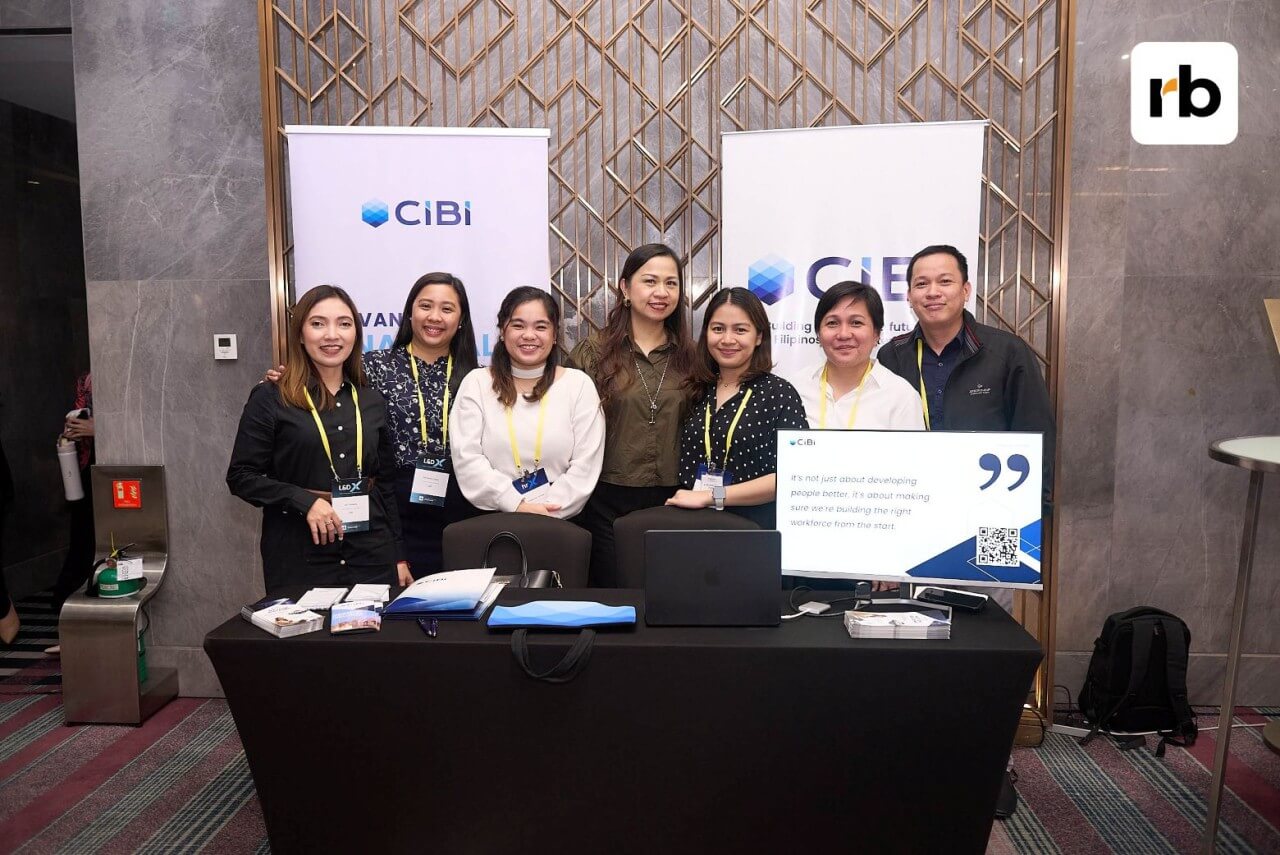
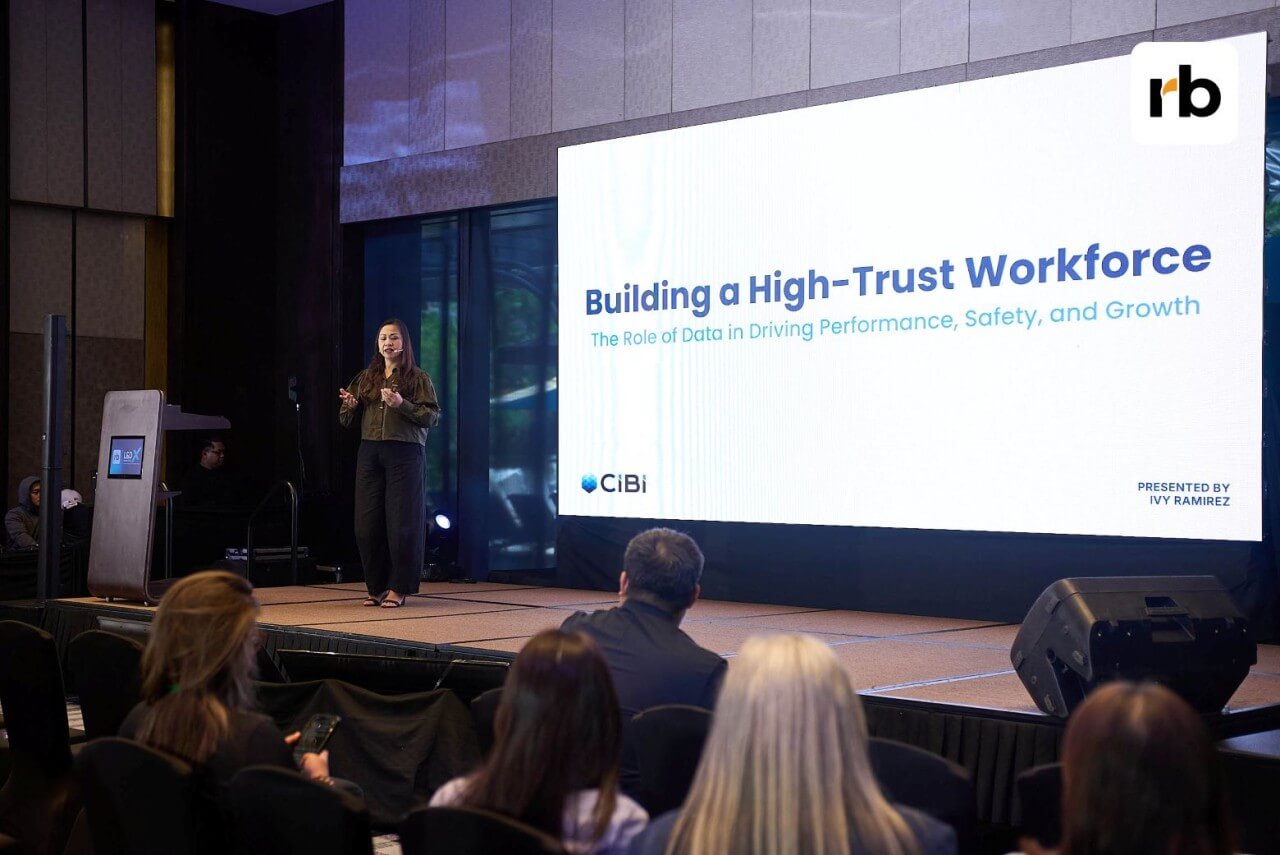
“Most workforce decisions are still made with incomplete information. We hire based on CVs and validate through interviews, but we have very little visibility into behavior, risk, or real-world context,” said Ivy Ramirez, vice president for service and industrials at CIBI Information Inc., during a recent industry event on learning and development.
“We’ve optimized how we develop people, but not how we decide who to develop—that’s where the disconnect lies,” she added.
Hiring gaps
The challenge is particularly evident in the Philippines. According to Aon’s 2025 Salary Increase and Turnover Study, employee attrition in the country is projected to reach around 20 percent—equivalent to one in five workers leaving their jobs, the highest in Southeast Asia.
This trend highlights not only retention concerns but also gaps in assessing candidate fit at the outset.
As workforce demands become more complex, traditional hiring methods are proving insufficient. Shifting employee expectations, cost pressures, and increased job mobility are adding to the challenge. CVs and interviews alone offer only a partial view of candidates, making it difficult for organizations to fully assess suitability and potential risks before making hiring decisions.
Data-driven shift
In response, more companies are turning to data-driven approaches that provide a more complete and verified view of applicants. These include deeper background verification and the integration of relevant data into hiring workflows.
With better upfront visibility, organizations can validate credentials, assess fit more accurately, and identify potential risks before extending job offers.
Solutions such as CIBI’s Workforce Solutions support this shift by providing access to verified and relevant data, including identity and background checks, employment and education validation, and risk and compliance screening.
By consolidating and verifying these data points, companies can make more informed hiring decisions based on reliable information rather than self-reported data.
Adoption of these approaches is steadily increasing. To date, CIBI has conducted more than 236,000 local court case checks, 88,000 employment verifications, 67,000 education authentications, and 64,000 global and adverse screenings—reflecting growing demand for data-backed hiring across industries.
“At scale, this approach is already helping reshape how organizations hire,” Ramirez said. “With better data, companies can move from reactive workforce management to more proactive, insight-driven decision-making.”
Workforce impact
Improving hiring decisions has a direct impact on workforce outcomes. With stronger upfront validation, organizations can reduce early attrition, improve role alignment, and drive more consistent performance—ultimately strengthening productivity and operational stability.
“This is where we see our role at CIBI: strengthening how decisions are made with trusted data,” Ramirez said. “In the end, it’s not just about developing people better—it’s about building the right workforce from the start.”
As hiring continues to evolve, the ability to make informed, data-driven decisions is emerging as a critical differentiator. For businesses, strengthening the foundation of hiring may ultimately determine not just who they employ, but how effectively those employees contribute over time. —Ed: Corrie S. Narisma