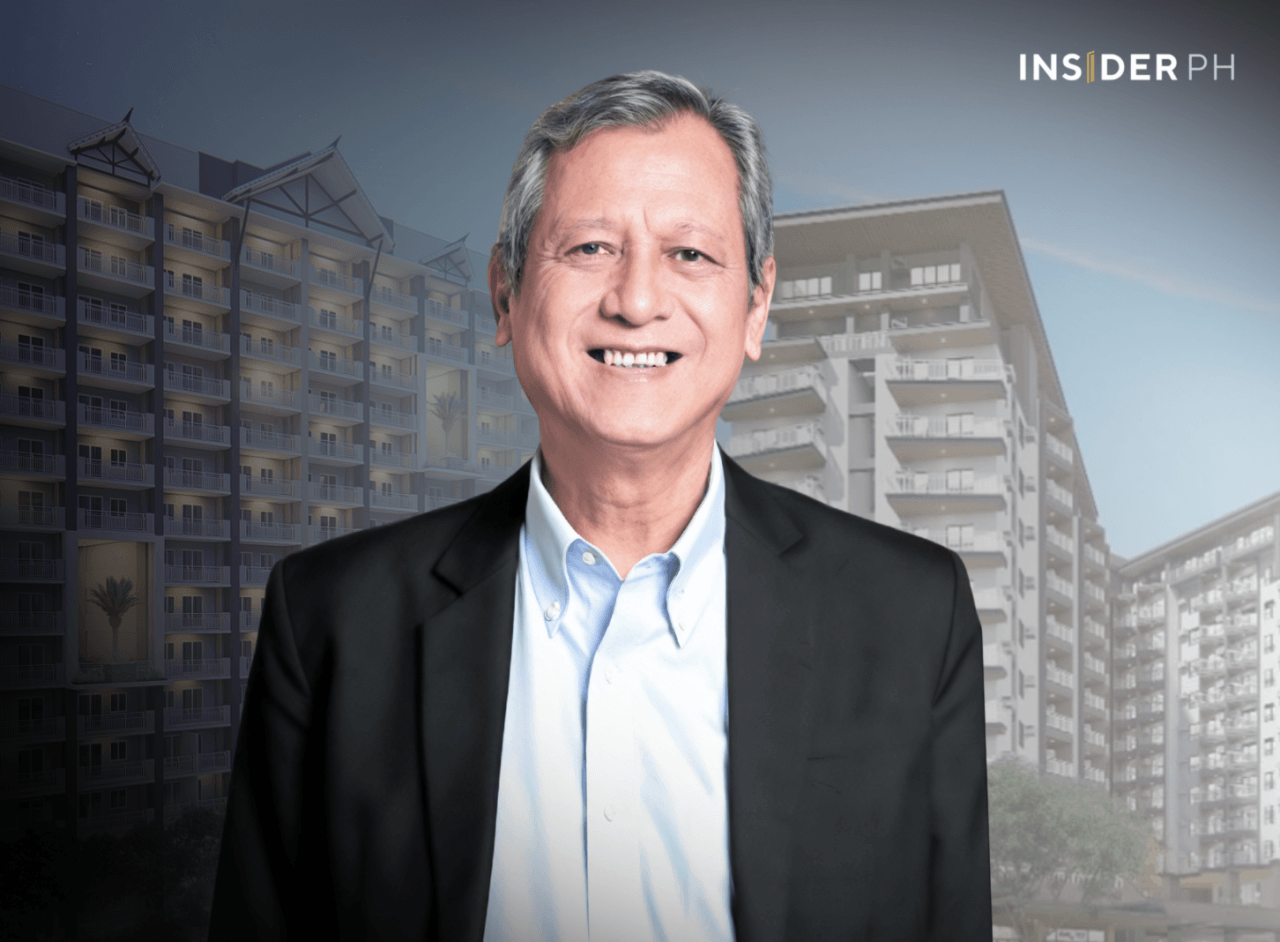
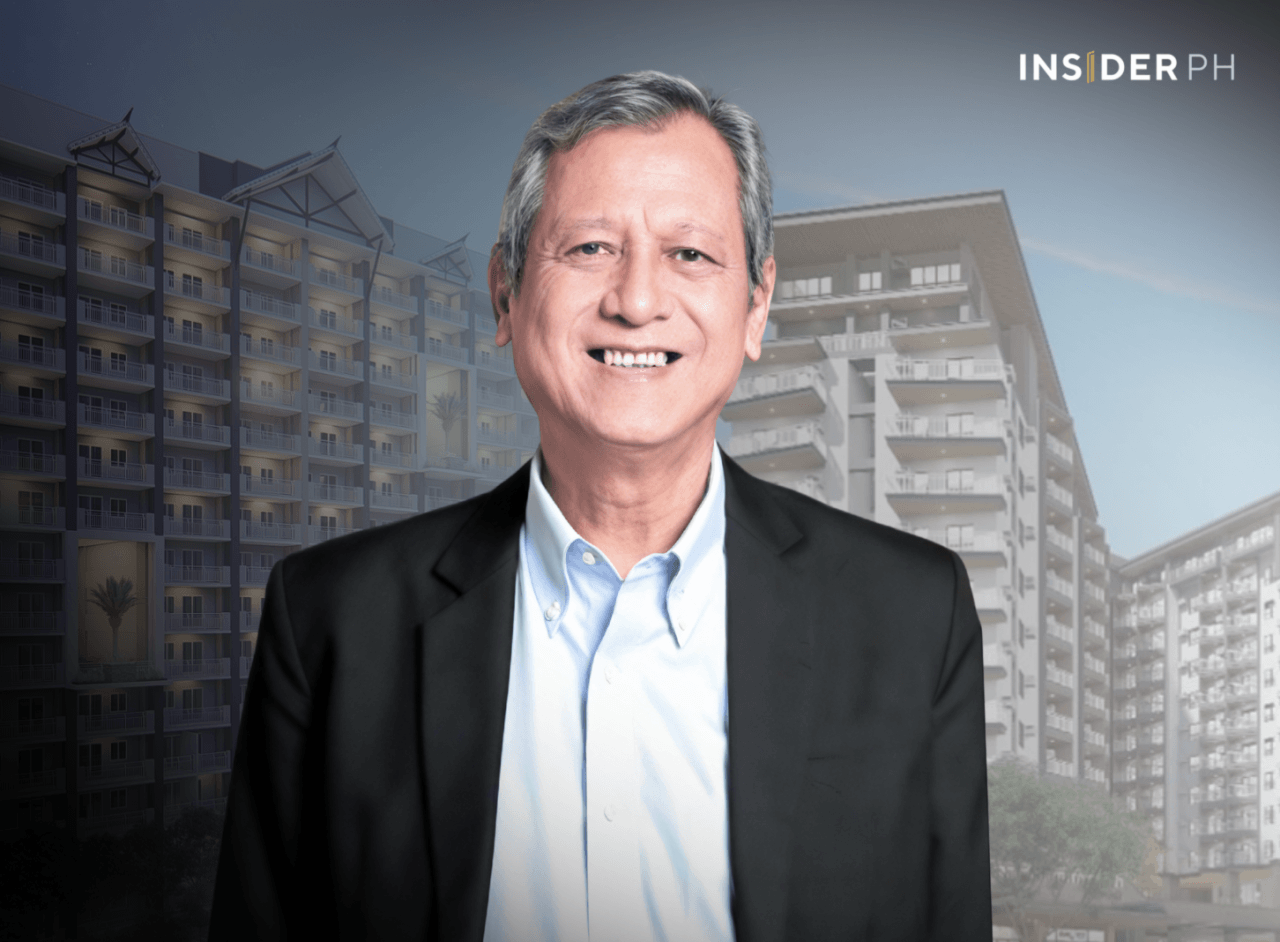
“But the problem is that just last week or about ten days ago, a new rule suddenly came out requiring all developers to pay 5 percent before they can obtain a license to sell. That means giving 5 percent of the total project cost to the government for socialized housing,” DMCI Homes president Alfredo Austria told reporters last week.
“It’s a heavy burden,” he added.
This will apply to developers seeking a license to sell new residential projects.
Industry plans challenge as costs climb
He said the industry, led by the Chamber of Real Estate & Builders’ Associations, Inc. (CREBA), plans to challenge the policy.
Austria said that the requirement stems from the socialized housing law, noting that DHSUD previously allowed developers to place 25 percent of the 5 percent obligation in escrow.
The DOJ later ruled that interpretation was incorrect, he said, meaning the entire 5 percent must be applied.
Because the contribution is based on total project cost, it may seem small at first but can quickly add up for large developments.
This could squeeze margins at a time when construction costs are already rising due to higher energy prices.
Rule may push prices higher for buyers
“I think developers won’t just take on all the risk; they will pass it on to buyers,” Austria said.
“They’ll either raise prices or decide not to develop if the risk is too high,” he added.
This could further slow the property market as sales remain weak, with households facing economic pressures and global uncertainty, including the Iran conflict that could affect overseas Filipino workers and remittances.

Miguel R. Camus has been a reporter covering various domestic business topics since 2009.