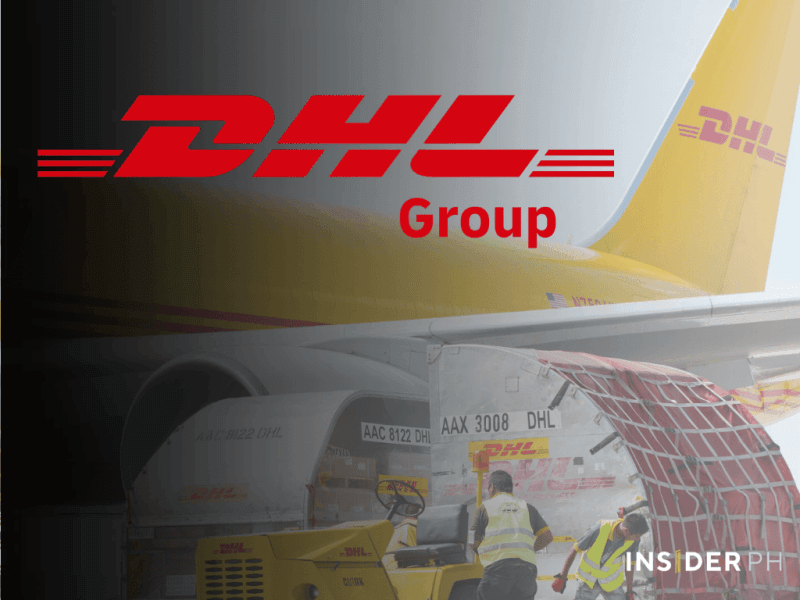
The new rates will take effect Jan. 1, 2027. DHL Express said it reviews prices annually to account for inflationary pressures, currency fluctuations and cost developments specific to the logistics industry.
Higher shipping expenses
Businesses using international express delivery could face higher shipping expenses next year, particularly as logistics providers contend with energy, labor, compliance and administrative costs tied to changing customs, regulatory and security requirements.
"International trade continues to create new opportunities for businesses, while supply chains are becoming increasingly interconnected and complex," DHL Express Philippines managing director Nigel Lockett said in a press statement.
"We remain committed to helping our customers navigate this evolving environment by investing in our global network, digital capabilities, security infrastructure, and sustainable logistics solutions,” said Lockett.
“This annual price adjustment enables us to maintain the high level of service and reliability our customers expect while continuing to strengthen the resilience and adaptability of our global operations," he added.
Fleet modernization
DHL Express operates in more than 220 countries and territories, exposing its cost base to both Philippine economic conditions and developments across global markets.
The company is also spending on infrastructure and fleet modernization. Recent investments include completing deliveries of 28 Boeing 777 freighters, deploying more fuel-efficient aircraft and expanding or upgrading facilities across regions.
On sustainability
DHL Express said it surpassed 500 Transported Asset Protection Association-certified facilities worldwide in 2026 as it continued investing in security technology, infrastructure and operational processes.
Its technology investments include cybersecurity, system resilience and shipment visibility, alongside AI-enabled customer capabilities and the rollout of its MyExpress platform for cross-border shipping.
DHL is also investing in Sustainable Aviation Fuel, electric vehicles, fuel-efficient aircraft and carbon-neutral facilities as part of efforts to reduce operational emissions. DHL Group, which generated approximately 82.9 billion euros in revenue in 2025, is targeting net-zero emissions logistics by 2050. —Vanessa Hidalgo | Ed: Corrie S. Narisma