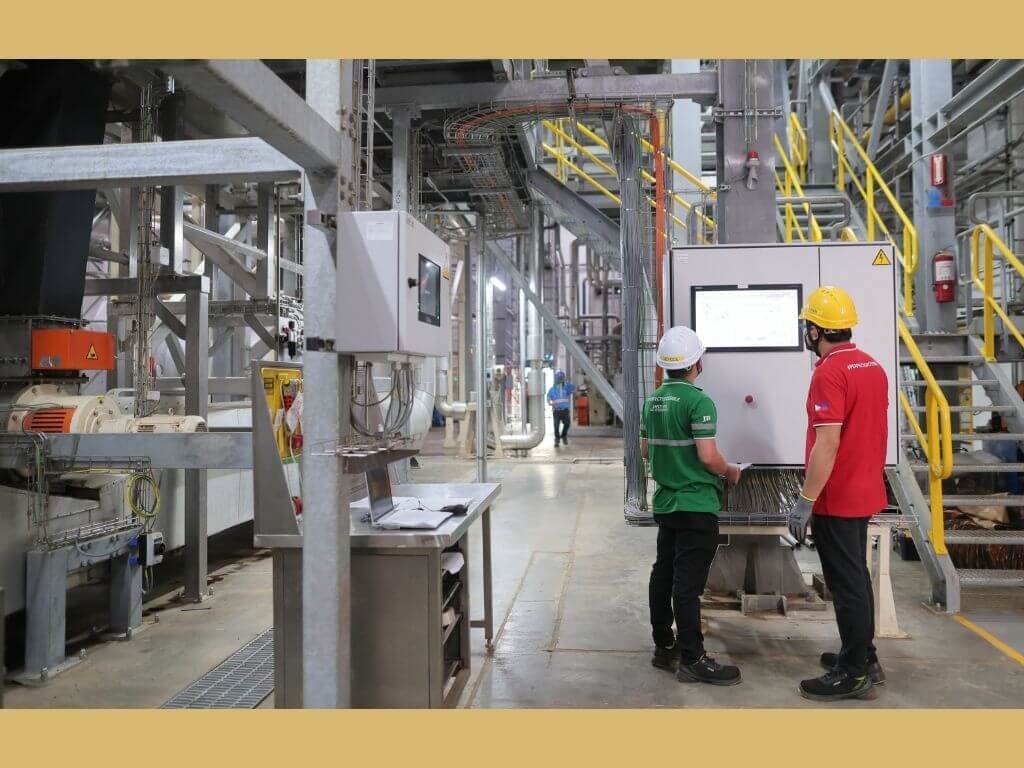
JTI Asia Manufacturing Corp. recently inaugurated its 2,006-square-meter Dry Ice Expanded Tobacco (DIET) plant at LIMA Estate in Malvar, Batangas, introducing technology that required employees to acquire new technical skills.
‘Intensive training’ for workers
JTI corporate affairs and communications director Shailful Bahari Mahpar told Insider PH that their workers have been undergoing “intensive training” since the plant was commissioned in 2025.
“This is completely new for the people here and therefore (they need) a lot of training, which we will supply and make sure they're up to speed,” he said.
The DIET process uses carbon dioxide to expand tobacco before it is blended and made into cigarettes. JTI previously carried out this stage of production at its overseas facilities.
Expanding the factory’s role
The Batangas factory is JTI’s main manufacturing hub in Asia. It produces cigarettes for domestic consumption and exports to 22 markets. JTI plans for the DIET plant to supply its operations in Indonesia, Taiwan, Vietnam and Jordan.
The expansion comes as JTI faces declining legal cigarette volumes in the Philippine market. At a press briefing, Mahpar said the company held a 51.7-percent market share as of August and attributed the decline in legal cigarette sales partly to illicit trade.
“The industry used to be about 43 to 44 billion sticks but it's declining in terms of volume.”

He said the influx of illegal cigarettes has contributed to the steady decline in legal sales volumes.
Economic impact
Mahpar said the Department of Finance’s proposal to raise and unify excise taxes on tobacco products starting in 2027 could fuel the illicit cigarette trade.
“I think we need to be careful about excise taxes because it impacts volume and if it is raised in an unsustainable manner, it would lead to the proliferation of illicit cigarettes,” he said.
A 2026 study by the EU-ASEAN Business Council and Euromonitor estimated that illicit cigarettes accounted for 25.3 percent of cigarette consumption in the Philippines in 2025, up from 23.8 percent in 2024. It put potential forgone tax revenue from illicit cigarettes at $2.06 billion over the two-year period. —Ed: Corrie S. Narisma

Content Producer